No one praises happiness as one praises justice, but we call it a 'blessing,' deeming it something higher and more divine than… — Aristotle Copy Share Image
Justice is the loveliest and health is the best. but the sweetest to obtain is the heart's desire. — Aristotle Copy Share Image
Man perfected by society is the best of all animals; he is the most terrible of all when he lives without law,… — Aristotle Copy Share Image
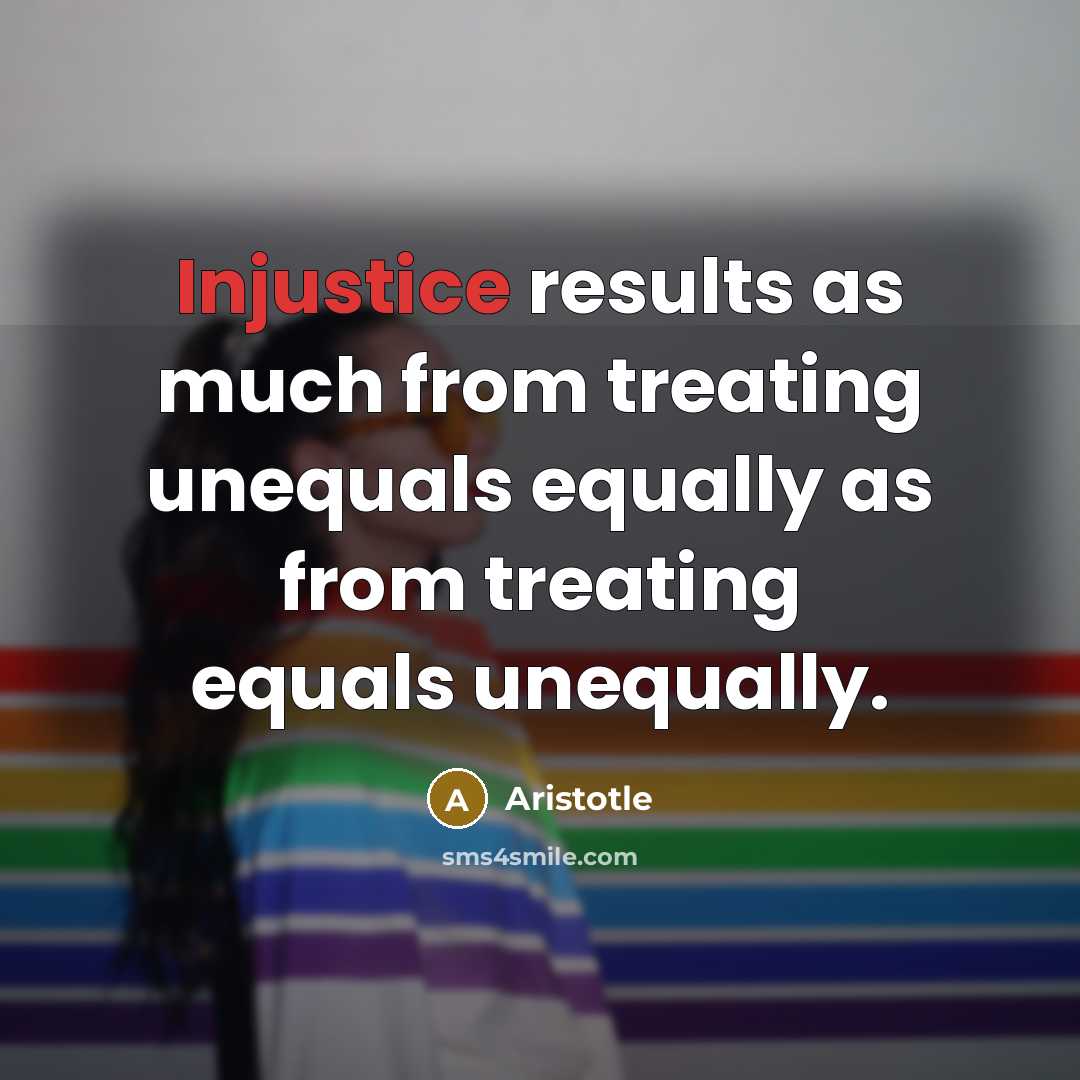
Injustice results as much from treating unequals equally as from treating equals unequally. — Aristotle Copy Share Image
The weak are always anxious for justice and equality. The strong pay no heed to either. — Aristotle Copy Share Image
To be conscious that we are perceiving or thinking is to be conscious of our own existence. — Aristotle Copy Share Image
When people are friends, they have no need of justice, but when they are just, they need friendship in addition. — Aristotle Copy Share Image
Yes the truth is that men's ambition and their desire to make money are among the most frequent causes of deliberate acts… — Aristotle Copy Share Image
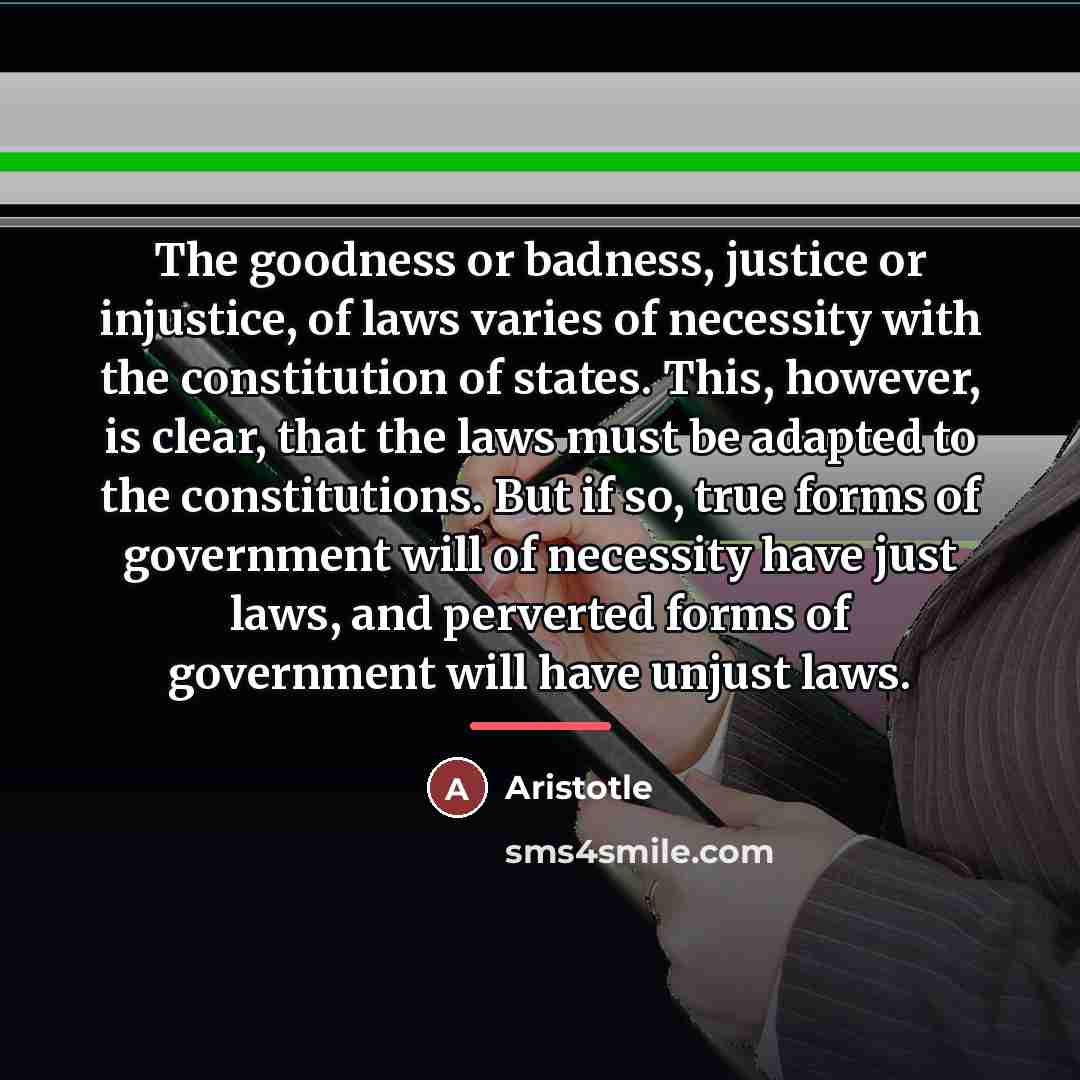
The goodness or badness, justice or injustice, of laws varies of necessity with the constitution of states. This, however, is clear, that… — Aristotle Copy Share Image
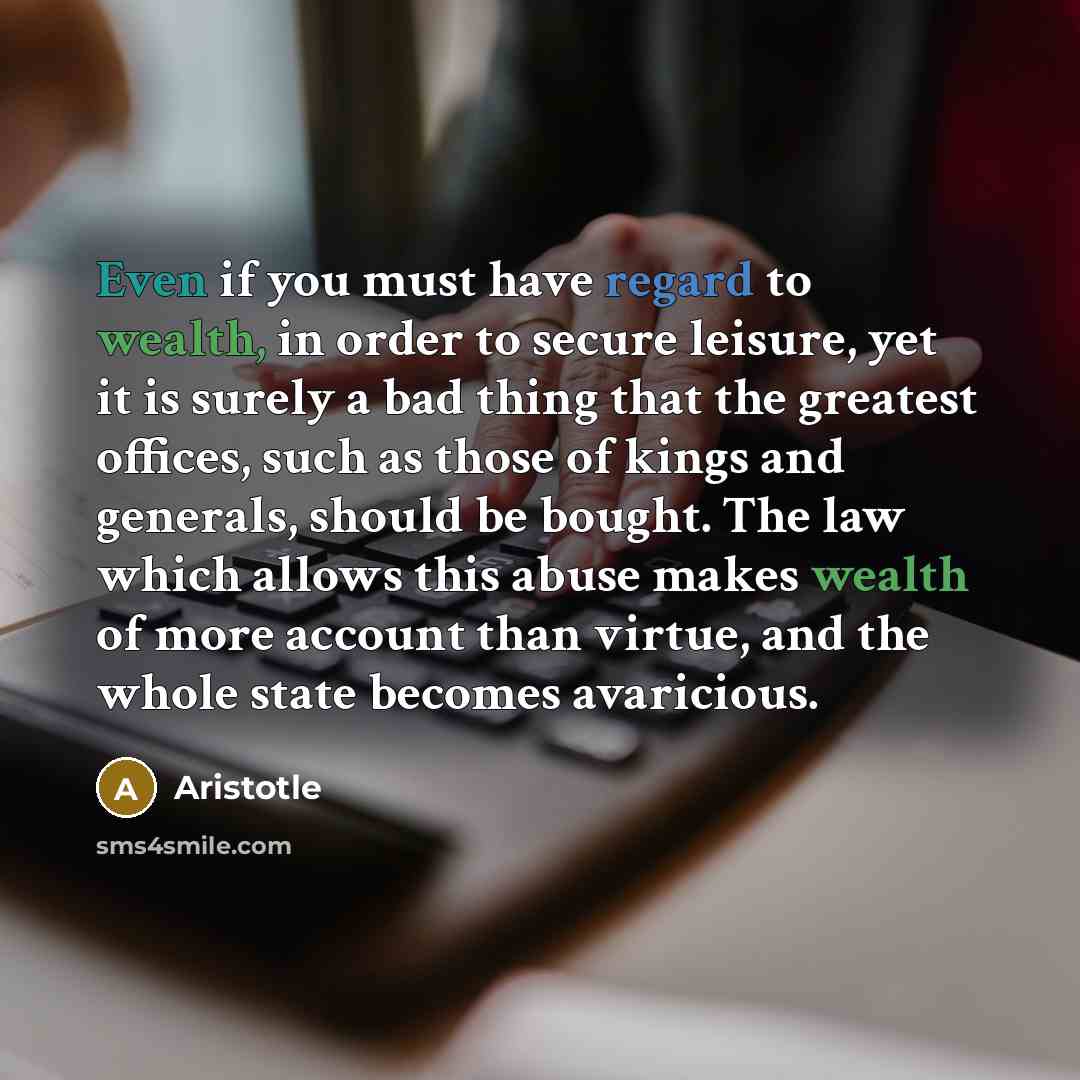
Even if you must have regard to wealth, in order to secure leisure, yet it is surely a bad thing that the… — Aristotle Copy Share Image
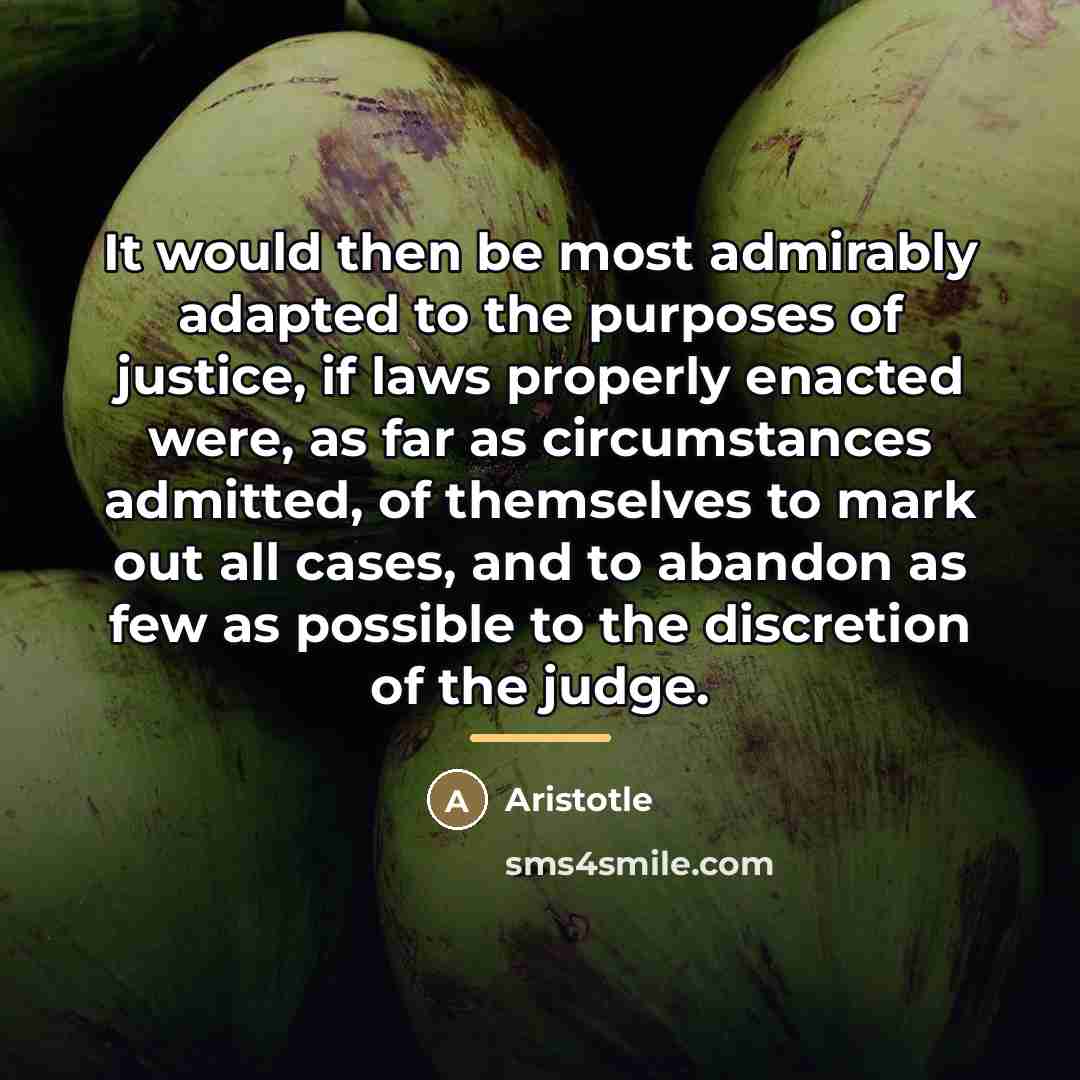
It would then be most admirably adapted to the purposes of justice, if laws properly enacted were, as far as circumstances admitted,… — Aristotle Copy Share Image
Between friends there is no need for justice, but people who are just still need the quality of friendship; and indeed friendliness… — Aristotle Copy Share Image
Laws, when good, should be supreme; and that the magistrate or magistrates should regulate those matters only on which the laws are… — Aristotle Copy Share Image
It makes no difference whether a good man has defrauded a bad man, or a bad man defrauded a good man, or… — Aristotle Copy Share Image
One kind of justice is that which is manifested in distributions of honour or money or the other things that fall to… — Aristotle Copy Share Image
Rhetoric is useful because truth and justice are in their nature stronger than their opposites; so that if decisions be made, not… — Aristotle Copy Share Image
Thus it is thought that justice is equality; and so it is, but not for all persons, only for those that are… — Aristotle Copy Share Image
Some persons hold that, while it is proper for the lawgiver to encourage and exhort men to virtue on moral grounds, in… — Aristotle Copy Share Image
“Equity bids us be merciful to the weakness of human nature; to think less about the laws than about the man who… — Aristotle Copy Share Image
Man perfected by society is the best of all animals; he is the most terrible of all when he lives without law… — Aristotle Copy Share Image
There are three qualifications required in those who have to fill the highest offices, - (1) first of all, loyalty to the… — Aristotle Copy Share Image
The knowledge of the soul admittedly contributes greatly to the advance of truth in general, and, above all, to our understanding of Nature, for… — Aristotle Copy Share Image
Young men have strong passions and tend to gratify them indiscriminately. Of the bodily desires, it is the sexual by which they are most… — Aristotle Copy Share Image
The body is at its best between the ages of thirty and thirty-five; the mind is at its best about the age of forty-nine. — Aristotle Copy Share Image
The ensouled is distinguished from the unsouled by its being alive. Now since being alive is spoken of in many ways, even if only… — Aristotle Copy Share Image
Although it may be difficult in theory to know what is just and equal, the practical difficulty of inducing those to forbear who can,… — Aristotle Copy Share Image
The true forms of government, therefore, are those in which the one, or the few, or the many, govern with a view to the… — Aristotle Copy Share Image
All persons ought to endeavor to follow what is right, and not what is established. — Aristotle Copy Share Image
Give a man a fish, you feed him for a day. Give a man a poisoned fish, you feed him for the rest of… — Aristotle Copy Share Image
The man who confers a favour would rather not be repaid in the same coin. — Aristotle Copy Share Image
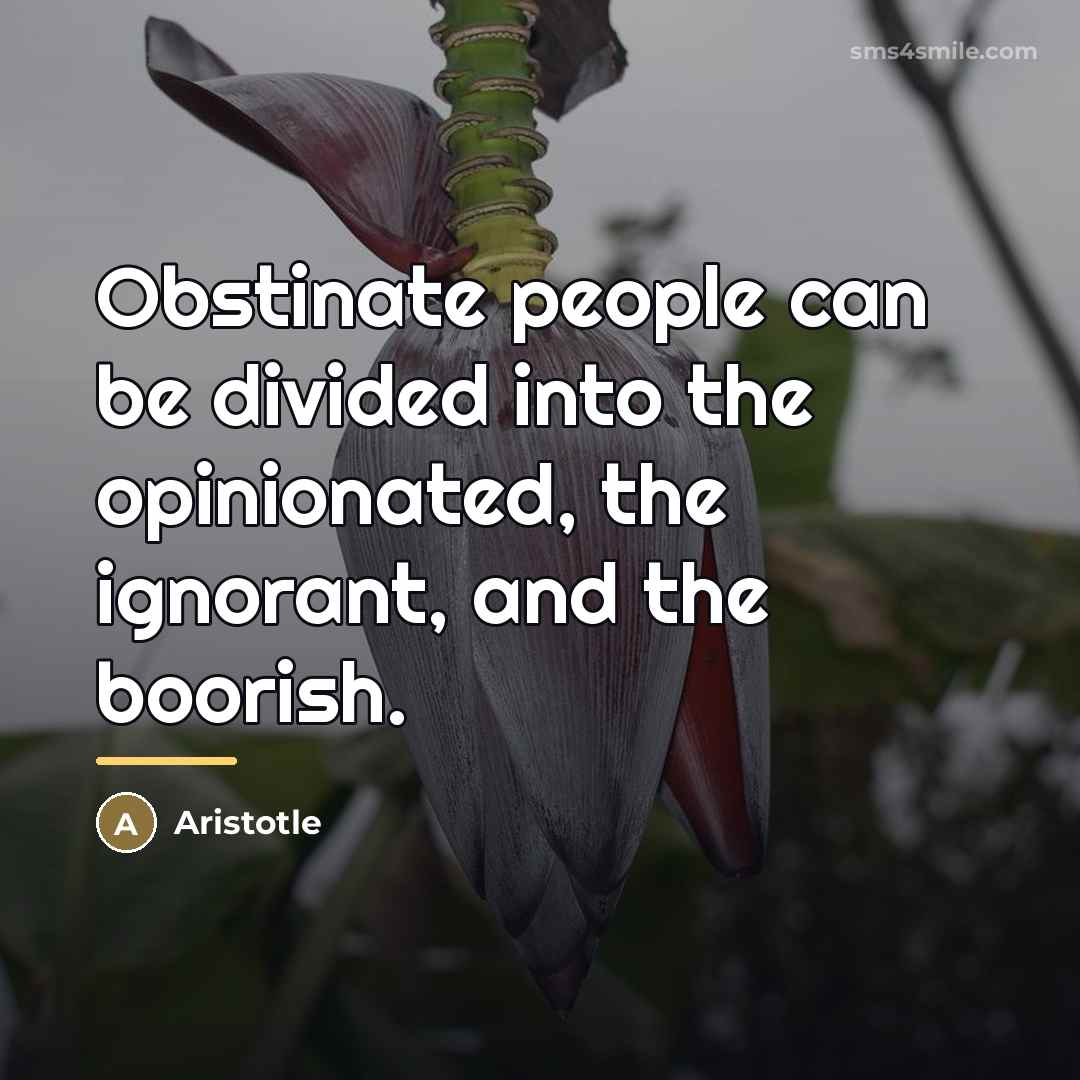
Obstinate people can be divided into the opinionated, the ignorant, and the boorish. — Aristotle Copy Share Image
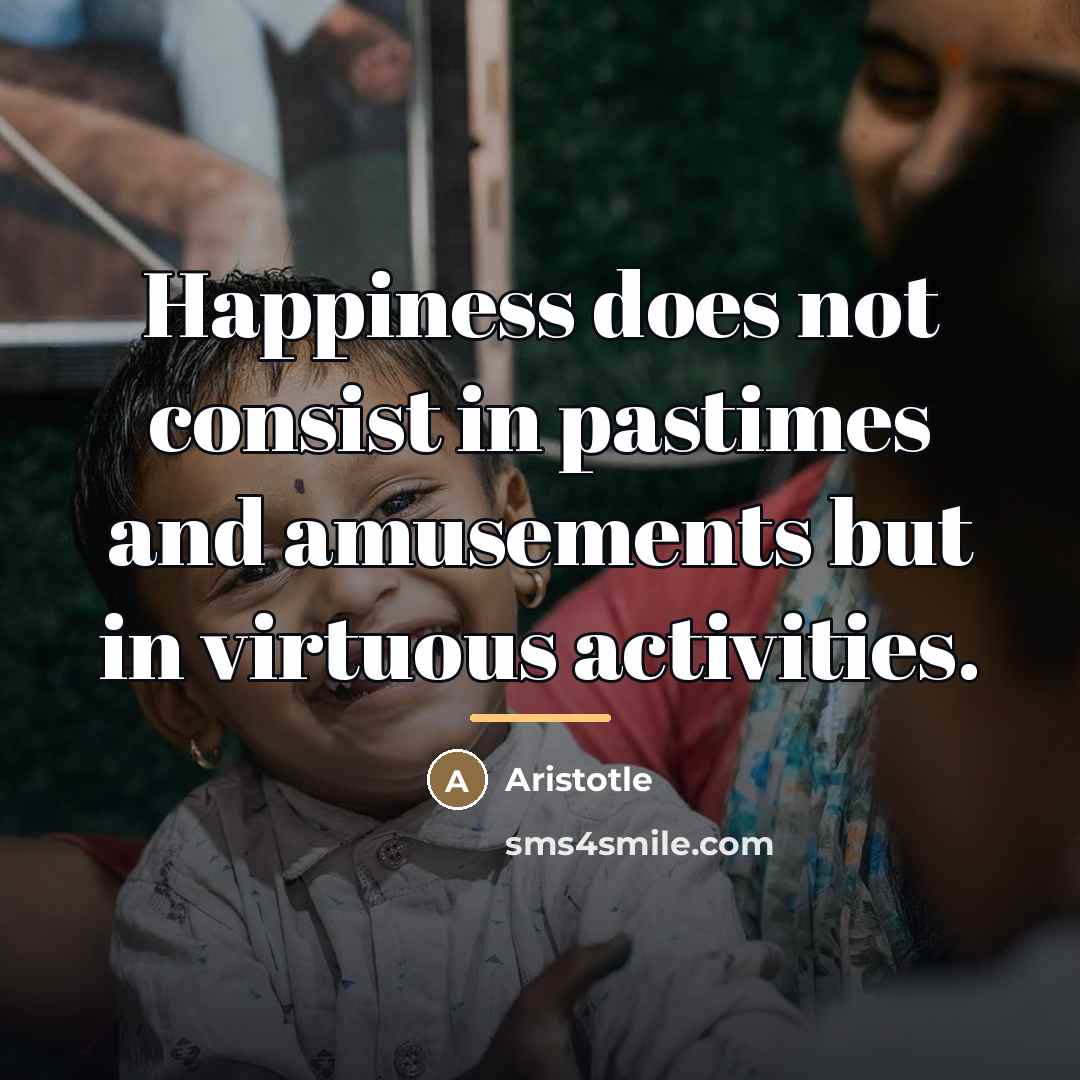
Happiness does not consist in pastimes and amusements but in virtuous activities. — Aristotle Copy Share Image
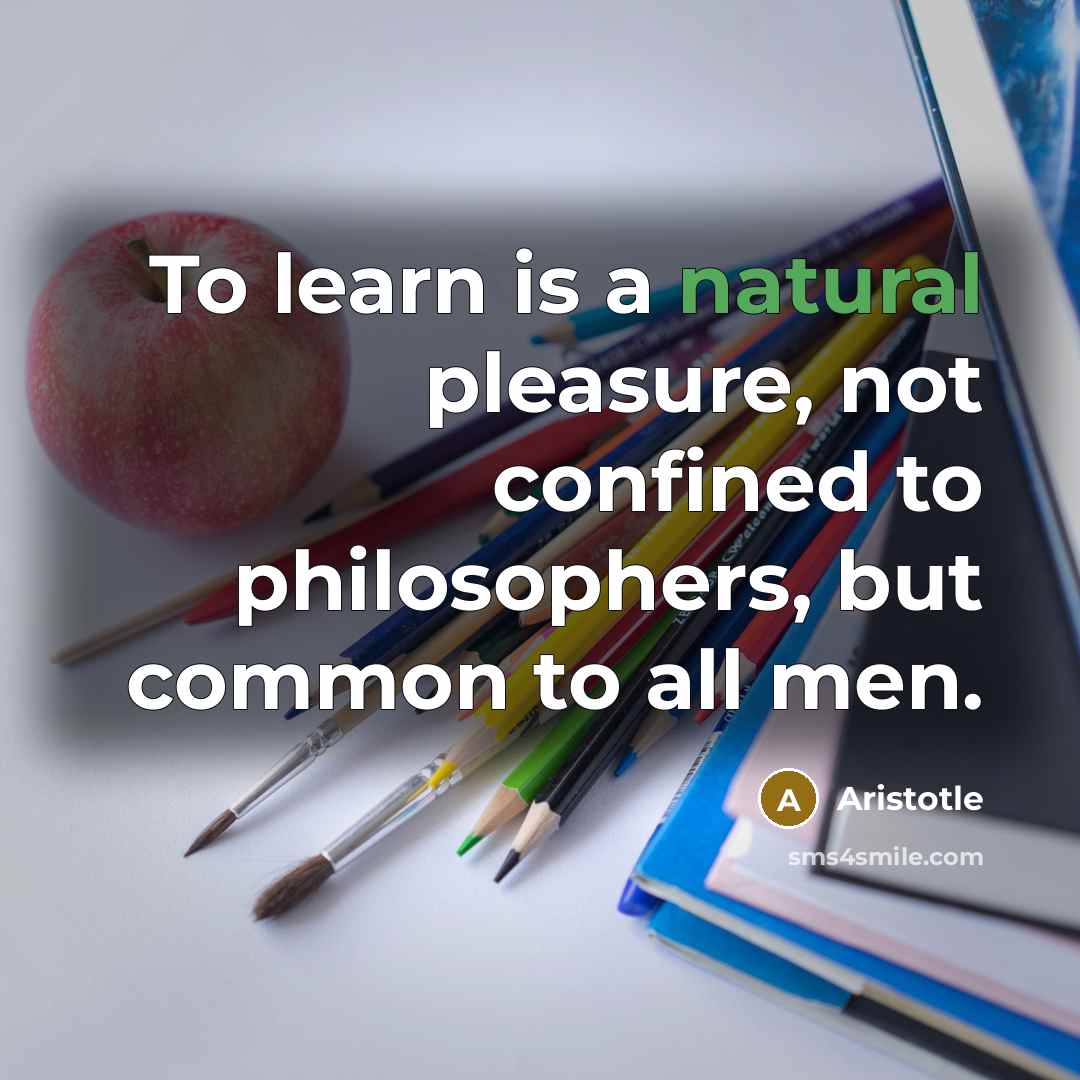
To learn is a natural pleasure, not confined to philosophers, but common to all men. — Aristotle Copy Share Image