Happiness does not consist in pastimes and amusements but in virtuous activities. — Aristotle Copy Share Image
“Happiness then is the best, noblest, and most pleasant thing in the world, and these attributes are not severed as in the… — Aristotle Copy Share Image
Happiness is the highest good, being a realization and perfect practice of virtue, which some can attain, while others have little or… — Aristotle Copy Share Image
“As far as the name goes, we may almist say that the great majority of mankind are agreed about this; for both… — Aristotle Copy Share Image
Happiness, then, is found to be something perfect and self-sufficient, being the end to which our actions are directed. — Aristotle Copy Share Image
The Life of the intellect is the best and pleasantest for man, because the intellect more than anything else is the man.… — Aristotle Copy Share Image
What is the highest of all goods achievable by action? ...both the general run of man and people of superior refinement say… — Aristotle Copy Share Image
Happiness involves engagement in activities that promote one's highest potentials. — Aristotle Copy Share Image
“What is the Good for man? It must be the ultimate end or object of human life: something that is in itself… — Aristotle Copy Share Image
All men seek one goal : success or happiness. The only way to achieve true success is to express yourself completely in… — Aristotle Copy Share Image
...happiness is an activity and a complete utilization of virtue, not conditionally but absolutely. — Aristotle Copy Share Image
“All human happiness or misery takes the form of action; the end for which we live is a certain kind of action.” — Aristotle Copy Share Image
Politicians also have no leisure, because they are always aiming at something beyond political life itself, power and glory, or happiness. — Aristotle Copy Share Image
It must not be supposed that happiness will demand many or great possessions; for self-sufficiency does not depend on excessive abundance, nor… — Aristotle Copy Share Image
Happiness may be defined as good fortune joined to virtue, or a independence, or as a life that is both agreeable and… — Aristotle Copy Share Image
If happiness is activity in accordance with excellence, it is reasonable that it should be in accordance with the highest excellence. — Aristotle Copy Share Image
Character gives us qualities, but it is in actions - what we do - that we are happy or the reverse. ...… — Aristotle Copy Share Image
¢Some identify Happiness with virtue, some with practical wisdom, others with a kind of philosophical wisdom, others add or exclude pleasure and… — Aristotle Copy Share Image
“good character is the indispensable condition and chief determinant of happiness, itself the goal of all human doing. The end of all… — Aristotle Copy Share Image
True happiness comes from gaining insight and growing into your best possible self. Otherwise all you're having is immediate gratification pleasure, which… — Aristotle Copy Share Image
A thing chosen always as an end and never as a means we call absolutely final. Now happiness above all else appears… — Aristotle Copy Share Image
“The happy life is thought to be one of excellence; now an excellent life requires exertion, and does not consist in amusement.… — Aristotle Copy Share Image
The knowledge of the soul admittedly contributes greatly to the advance of truth in general, and, above all, to our understanding of Nature, for… — Aristotle Copy Share Image
Young men have strong passions and tend to gratify them indiscriminately. Of the bodily desires, it is the sexual by which they are most… — Aristotle Copy Share Image
The body is at its best between the ages of thirty and thirty-five; the mind is at its best about the age of forty-nine. — Aristotle Copy Share Image
The ensouled is distinguished from the unsouled by its being alive. Now since being alive is spoken of in many ways, even if only… — Aristotle Copy Share Image
Although it may be difficult in theory to know what is just and equal, the practical difficulty of inducing those to forbear who can,… — Aristotle Copy Share Image
The true forms of government, therefore, are those in which the one, or the few, or the many, govern with a view to the… — Aristotle Copy Share Image
All persons ought to endeavor to follow what is right, and not what is established. — Aristotle Copy Share Image
Give a man a fish, you feed him for a day. Give a man a poisoned fish, you feed him for the rest of… — Aristotle Copy Share Image
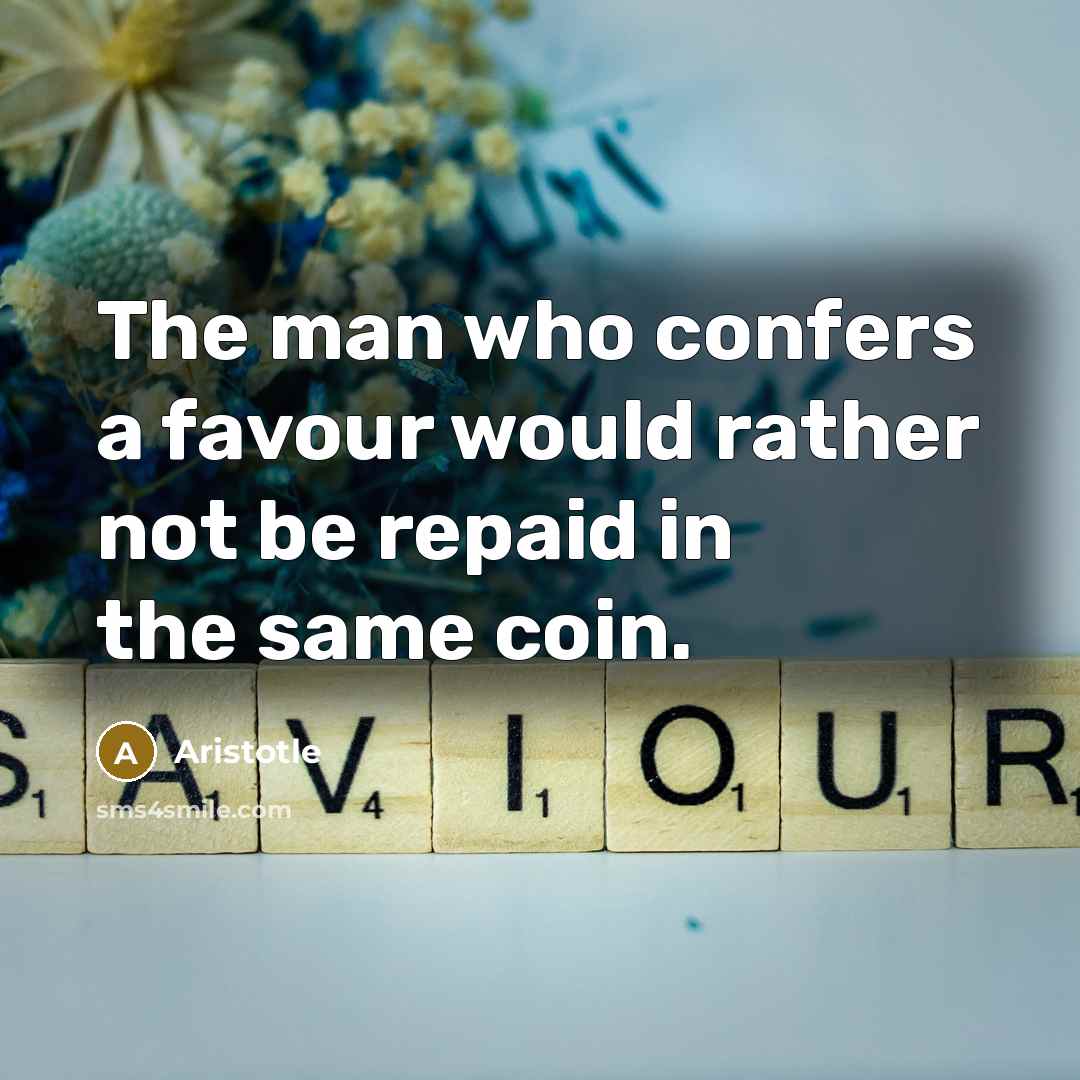
The man who confers a favour would rather not be repaid in the same coin. — Aristotle Copy Share Image
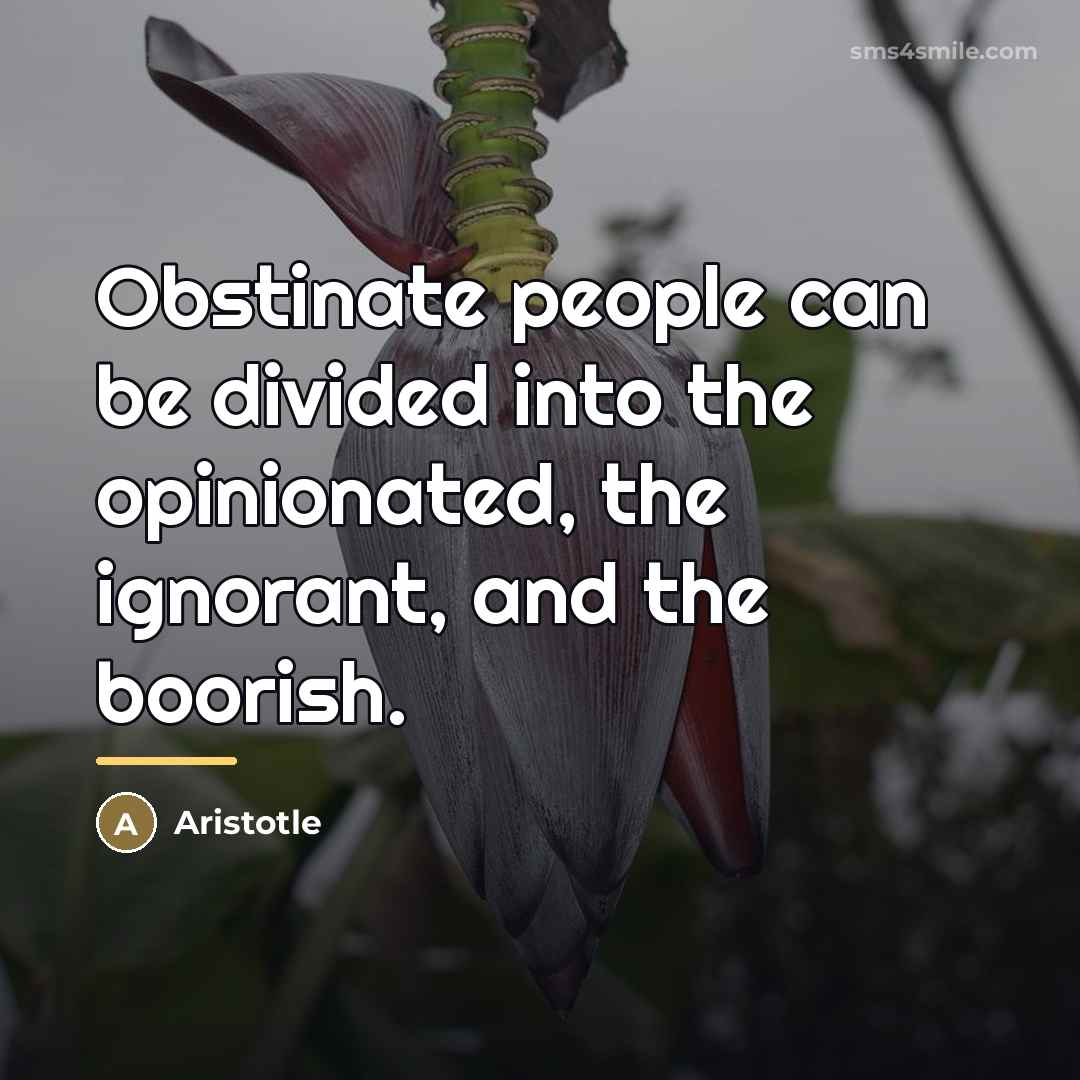
Obstinate people can be divided into the opinionated, the ignorant, and the boorish. — Aristotle Copy Share Image