It is the activity of the intellect that constitutes complete human happiness - provided it be granted a complete span of life,… — Aristotle Copy Share Image
Happiness is a quality of the soul...not a function of one's material circumstances. — Aristotle Copy Share Image
Great and frequent reverses can crush and mar our bliss both by the pain they cause and by the hindrance they offer… — Aristotle Copy Share Image
True happiness flows from the possession of wisdom and virtue and not from the possession of external goods. — Aristotle Copy Share Image
We maintain, and have said in the Ethics, if the arguments there adduced are of any value, that happiness is the realization… — Aristotle Copy Share Image
“The cultivation of the intellect is man's highest good and purest happiness” — Aristotle Copy Share Image
...happiness does not consist in amusement. In fact, it would be strange if our end were amusement, and if we were to… — Aristotle Copy Share Image
“Therefore the activity of God, which surpasses all others in blessedness, must be contemplative; and of human activities, therefore, that which is… — Aristotle Copy Share Image
It is our actions and the soul's active exercise of its functions that we posit (as being Happiness). — Aristotle Copy Share Image
Happiness is the utilization of one's talents along lines of excellence. — Aristotle Copy Share Image
The activity of God, which is transcendent in blessedness, is the activity of contemplation; and therefore among human activities that which is… — Aristotle Copy Share Image
“If it is better to be happy as a result of one's own exertions than by the gift of fortune, it is… — Aristotle Copy Share Image
Happiness is at once the best, the noblest, and the pleasantest of things. — Aristotle Copy Share Image
Leisure of itself gives pleasure and happiness and enjoyment of life, which are experienced, not by the busy man, but by those… — Aristotle Copy Share Image
The knowledge of the soul admittedly contributes greatly to the advance of truth in general, and, above all, to our understanding of Nature, for… — Aristotle Copy Share Image
Young men have strong passions and tend to gratify them indiscriminately. Of the bodily desires, it is the sexual by which they are most… — Aristotle Copy Share Image
The body is at its best between the ages of thirty and thirty-five; the mind is at its best about the age of forty-nine. — Aristotle Copy Share Image
The ensouled is distinguished from the unsouled by its being alive. Now since being alive is spoken of in many ways, even if only… — Aristotle Copy Share Image
Although it may be difficult in theory to know what is just and equal, the practical difficulty of inducing those to forbear who can,… — Aristotle Copy Share Image
The true forms of government, therefore, are those in which the one, or the few, or the many, govern with a view to the… — Aristotle Copy Share Image
All persons ought to endeavor to follow what is right, and not what is established. — Aristotle Copy Share Image
Give a man a fish, you feed him for a day. Give a man a poisoned fish, you feed him for the rest of… — Aristotle Copy Share Image
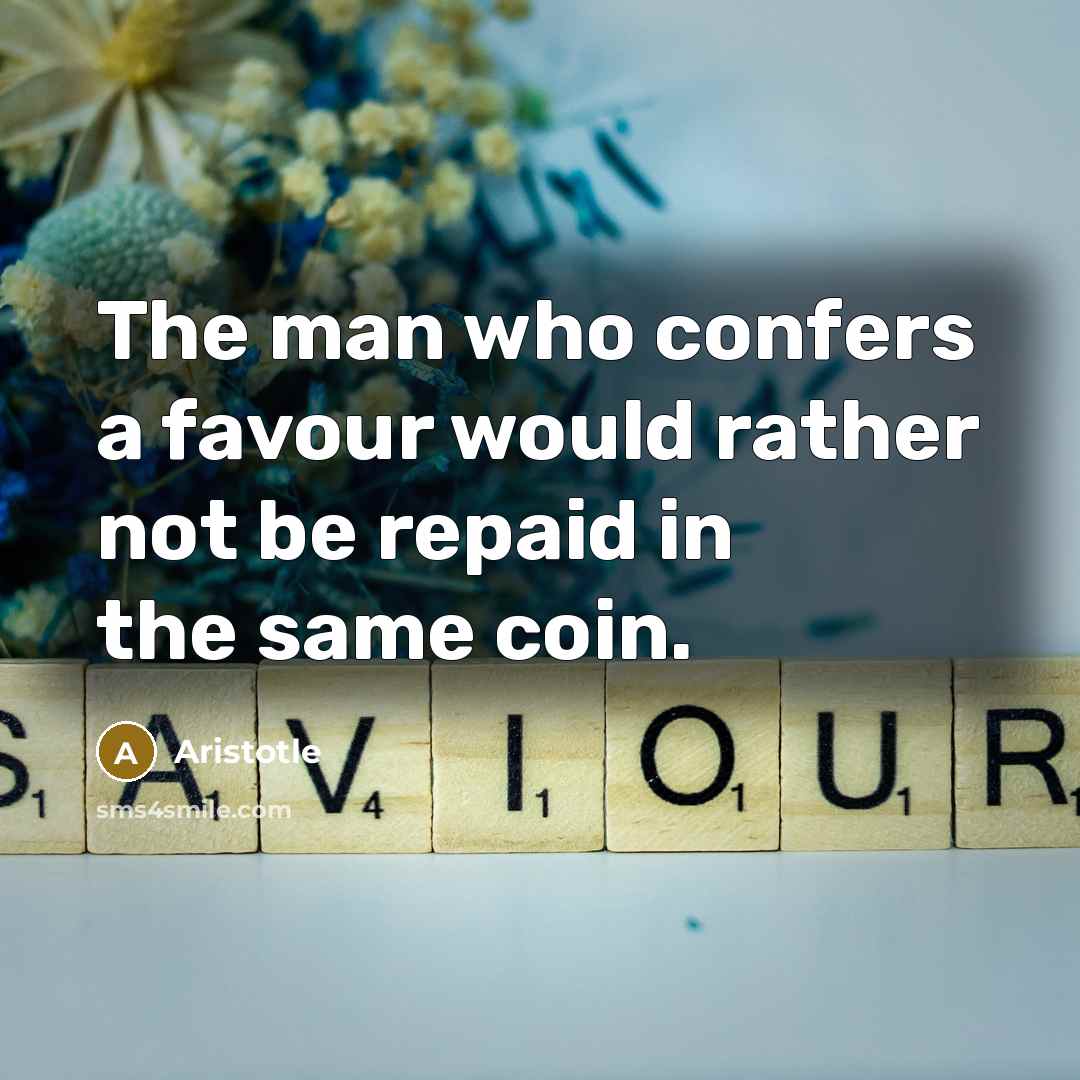
The man who confers a favour would rather not be repaid in the same coin. — Aristotle Copy Share Image
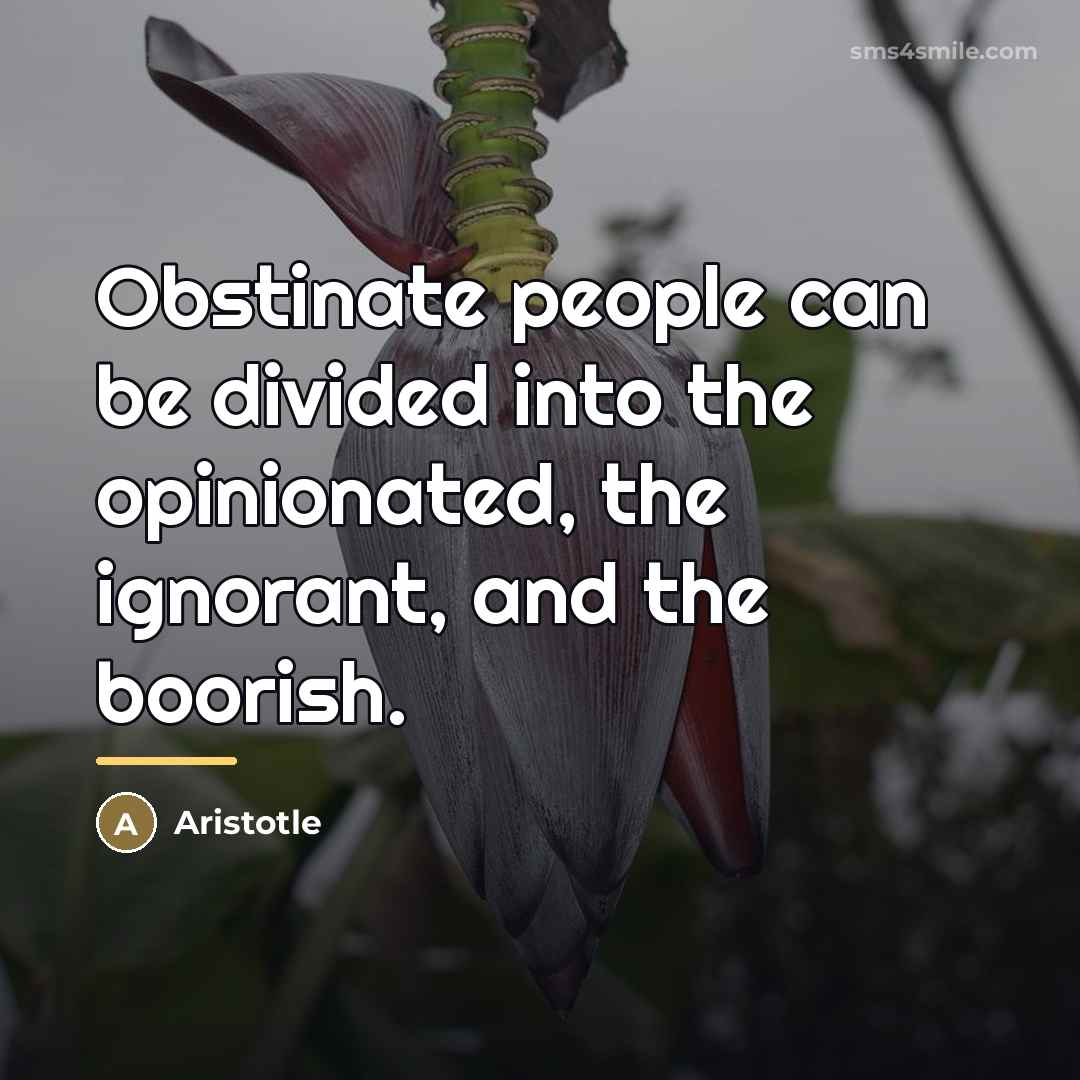
Obstinate people can be divided into the opinionated, the ignorant, and the boorish. — Aristotle Copy Share Image