Just as a royal rule, if not a mere name, must exist by virtue of some great personal superiority in the king,… — Aristotle Copy Share Image
If the poor, for example, because they are more in number, divide among themselves the property of the rich,- is not this… — Aristotle Copy Share Image
In most constitutional states the citizens rule and are ruled by turns, for the idea of a constitutional state implies that the… — Aristotle Copy Share Image
Governments which have a regard to the common interest are constituted in accordance with strict principles of justice, and are therefore true… — Aristotle Copy Share Image
A democracy exists whenever those who are free and are not well-off, being in the majority, are in sovereign control of government,… — Aristotle Copy Share Image
But obviously a state which becomes progressively more and more of a unity will cease to be a state at all. Plurality… — Aristotle Copy Share Image
The form of government is a democracy when the free, who are also poor and the majority, govern, and an oligarchy when… — Aristotle Copy Share Image
Any change of government which has to be introduced should be one which men, starting from their existing constitutions, will be both… — Aristotle Copy Share Image
Whereas happiness is the highest good, being a realization and perfect practice of virtue, which some can attain, while others have little… — Aristotle Copy Share Image
There is nothing grand or noble in having the use of a slave, in so far as he is a slave; or… — Aristotle Copy Share Image
If the state cannot be entirely composed of good men, and yet each citizen is expected to do his own business well,… — Aristotle Copy Share Image
There are still two forms besides democracy and oligarchy; one of them is universally recognized and included among the four principal forms… — Aristotle Copy Share Image
These, then, are the four kinds of royalty. First the monarchy of the heroic ages; this was exercised over voluntary subjects, but… — Aristotle Copy Share Image
The legislator should direct his attention above all to the education of youth; for the neglect of education does harm to the… — Aristotle Copy Share Image
That which most contributes to the permanence of constitutions is the adaptation of education to the form of government, and yet in… — Aristotle Copy Share Image
“In a democracy the poor will have more power than the rich, because there are more of them, and the will of… — Aristotle Copy Share Image
The real difference between democracy and oligarchy is poverty and wealth. Wherever men rule by reason of their wealth, whether they be… — Aristotle Copy Share Image
The citizens begin by giving up some part of the constitution, and so with greater ease the government change something else which… — Aristotle Copy Share Image
It has been well said that 'he who has never learned to obey cannot be a good commander.' The two are not… — Aristotle Copy Share Image
Once more: there are three offices according to whose directions the highest magistrates are chosen in certain states - guardians of the… — Aristotle Copy Share Image
There are three qualifications required in those who have to fill the highest offices, - (1) first of all, loyalty to the… — Aristotle Copy Share Image
The government of freemen is nobler and implies more virtue than despotic government. Neither is a city to be deemed happy or… — Aristotle Copy Share Image
A state is not a mere society, having a common place, established for the prevention of mutual crime and for the sake… — Aristotle Copy Share Image
That the equalization of property exercises an influence on political society was clearly understood even by some of the old legislators. Laws… — Aristotle Copy Share Image
“We shall learn the qualities of governments in the same way as we learn the qualities of individuals, since they are revealed… — Aristotle Copy Share Image
Democracy is the form of government in which the free are rulers, and oligarchy in which the rich; it is only an… — Aristotle Copy Share Image
Some things the legislator must find ready to his hand in a state, others he must provide. And therefore we can only… — Aristotle Copy Share Image
In the Laws it is maintained that the best constitution is made up of democracy and tyranny, which are either not constitutions… — Aristotle Copy Share Image
The knowledge of the soul admittedly contributes greatly to the advance of truth in general, and, above all, to our understanding of Nature, for… — Aristotle Copy Share Image
Young men have strong passions and tend to gratify them indiscriminately. Of the bodily desires, it is the sexual by which they are most… — Aristotle Copy Share Image
The body is at its best between the ages of thirty and thirty-five; the mind is at its best about the age of forty-nine. — Aristotle Copy Share Image
The ensouled is distinguished from the unsouled by its being alive. Now since being alive is spoken of in many ways, even if only… — Aristotle Copy Share Image
Although it may be difficult in theory to know what is just and equal, the practical difficulty of inducing those to forbear who can,… — Aristotle Copy Share Image
The true forms of government, therefore, are those in which the one, or the few, or the many, govern with a view to the… — Aristotle Copy Share Image
All persons ought to endeavor to follow what is right, and not what is established. — Aristotle Copy Share Image
Give a man a fish, you feed him for a day. Give a man a poisoned fish, you feed him for the rest of… — Aristotle Copy Share Image
The man who confers a favour would rather not be repaid in the same coin. — Aristotle Copy Share Image
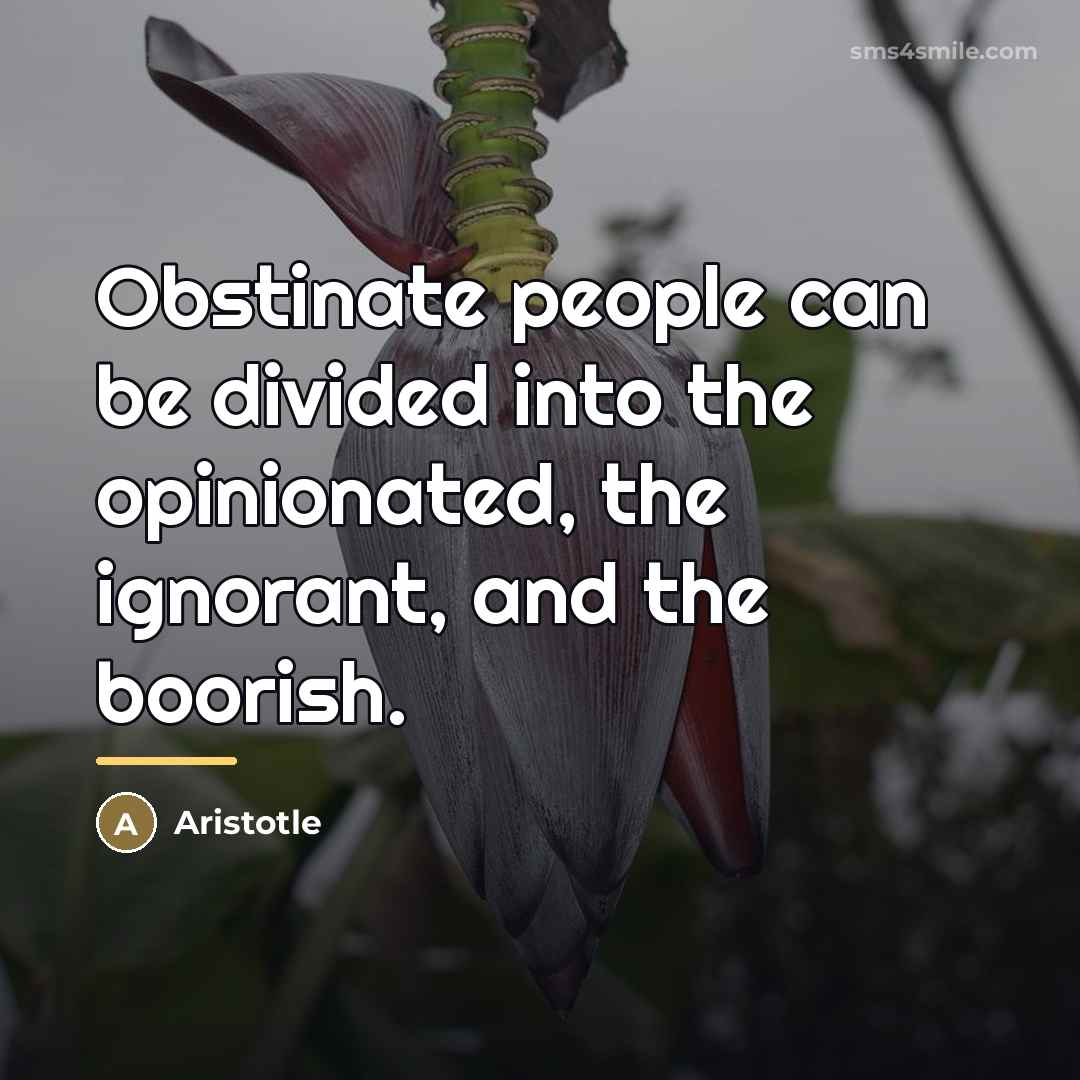
Obstinate people can be divided into the opinionated, the ignorant, and the boorish. — Aristotle Copy Share Image
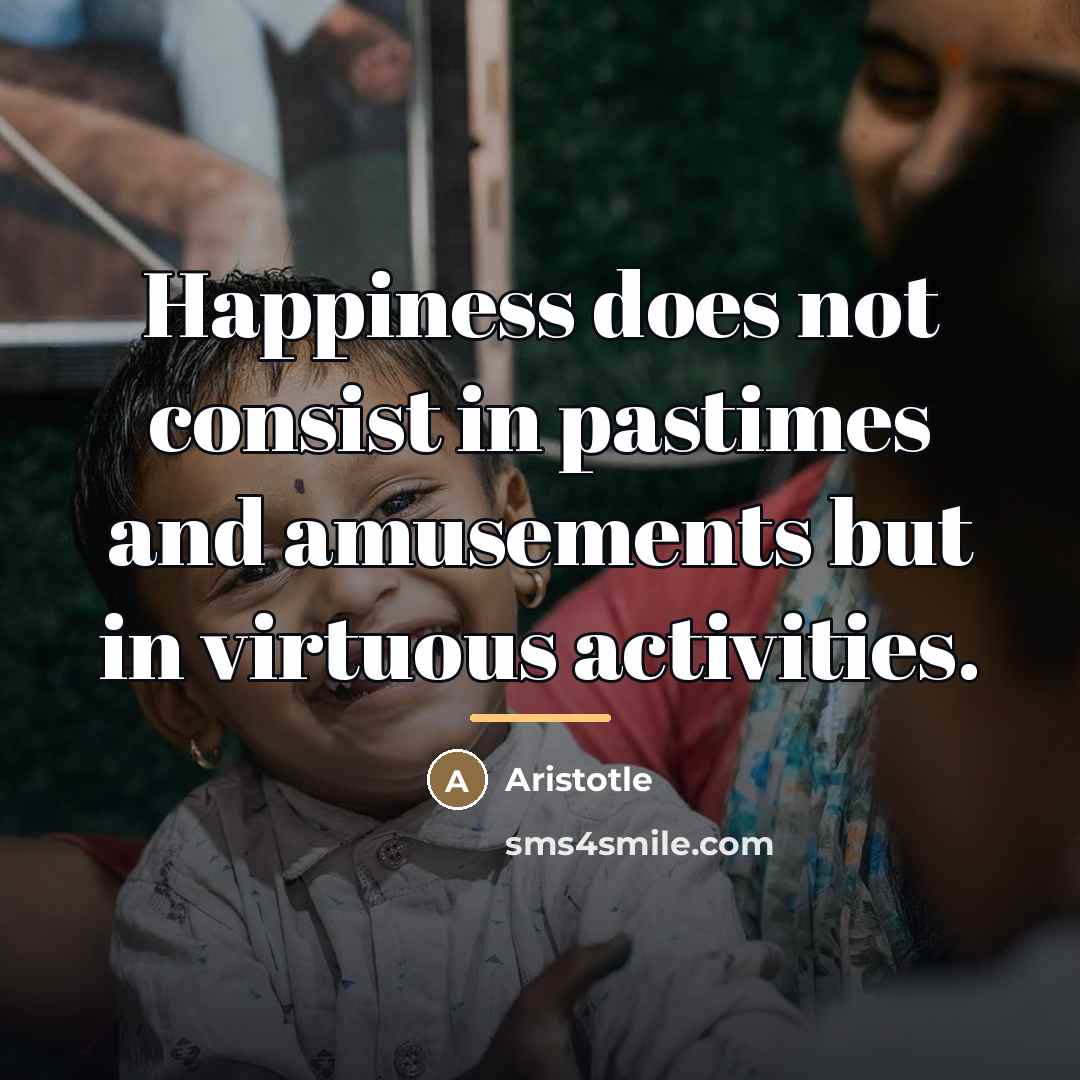
Happiness does not consist in pastimes and amusements but in virtuous activities. — Aristotle Copy Share Image
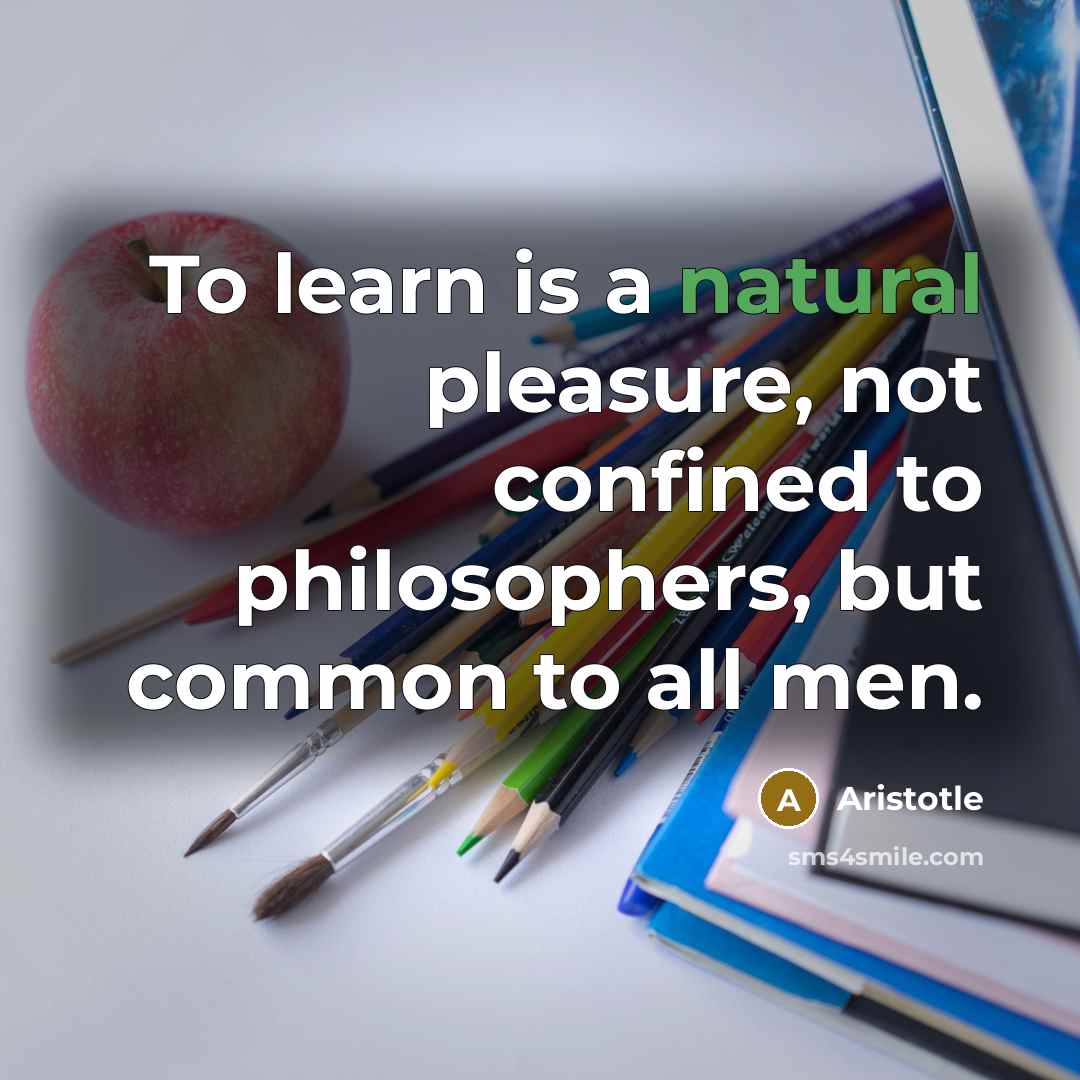
To learn is a natural pleasure, not confined to philosophers, but common to all men. — Aristotle Copy Share Image