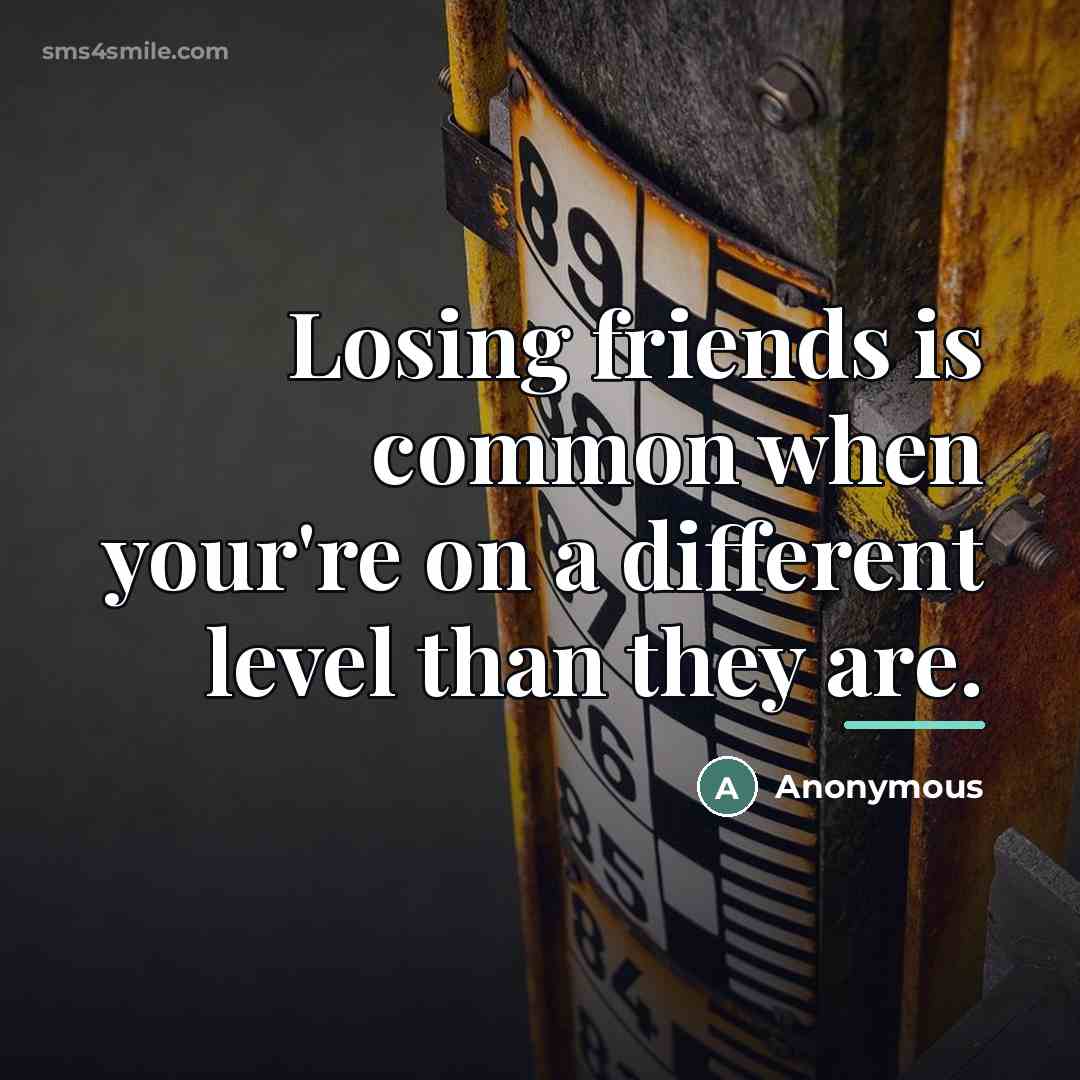
Different level Quote by Max Scheler
““One of my principal theses is that in every case the nature of a being (contingent as well as essential nature) can, in principle, be immanent to and truly inherent in knowledge and reflexive consciousness as it is outside of consciousness, and therefore not only as it is represented by some image, perception, idea [*Vorstellung*], or thought. This immanence of the nature of a being to consciousness occurs, of course, with totally different degrees of adequation and on completely different levels of the relativity of its existence to the existence and constitution [*Organisation*] of the "knowing" subject. Existence, however, can never be immanent to consciousness. Rather, existence necessarily transcends knowledge and consciousness and is alien to them. Existence is essentially transcendent and remains independent of them, even in the limiting case of a "divine," omniscient Mind." In other words, the nature and the existence of any possible object are separable with respect to the possibility of their being *in mente* [in the mind]. The nature of a being can be *in mente* and actually is so in any evidential cognition of what a thing is, which excludes cases of illusion and error. Existence can never be *in mente*. I shall speak later of how existence can be "given" despite this. Existence transcends thought, intuition, and perception, as well as any cooperation of thought and intuition in that higher form of knowledge we call cognition. Cognition is the "knowledge of something as something," the coincidence [*Deckung*] of intuition and thought." from_Idealism and Realism_””
About This Quote
Being’s essential nature can be known internally, but existence itself remains transcendent and cannot be fully captured by consciousness.
In simple terms: Nature is knowable; existence transcends mind.
Key Takeaway
Knowledge is immanent; existence is transcendent.
Themes
philosophy
ontology
epistemology
Mood
analytical
thoughtful
Type
philosophical
theoretical
When to use this quote
- academic seminars
- theoretical writing
- spiritual contemplation
Key Concepts
immanence
transcendence
dualism
Practical Applications
- distinguish between conceptual understanding and ontological claims
- use reflective meditation to explore immanent aspects
Questions to Reflect On
- Can we ever truly know existence?
- How does this view affect our approach to knowledge?
A Different Perspective
The distinction may blur in practical experience where mind and world interact intimately.
![“Only after the concept of knowledge has been based on an ontological relation [*Seinsverhältnis*] can we work out the particular kind of being from which the principle of immanence-to-consciousness (the starting point of Idealism and Critical Realism) mistakenly proceeds as though from a primary…” quote by Max Scheler](https://sms4smile.com/quotes/img-quotes/65c/max-scheler-21013_epistemology_only-after-the-concept-of-knowledge-has_492525.jpg)
![“All thought of something is at the same time self-consciousness [...] At the root of all our experiences and all our reflections, we find [...] a being which immediately recognises itself, [...] and which knows its own existence, not by observation and as a given fact, nor by inference from any…” quote by Maurice Merleau-Ponty](https://sms4smile.com/quotes/img-quotes/5d3/maurice-merleau-ponty-2834_action_all-thought-of-something-is-at-the-same_893047.jpg)

![“Love loves and in loving always looks beyond what it has in hand and possesses. The driving impulse [*Triebimpuls*] which arouses may tire out; love itself does not tire. This *sursum corda* which is the essence of love may take on fundamentally different forms at different elevations in the…” quote by Max Scheler](https://sms4smile.com/quotes/img-quotes/cc4/max-scheler-21013_axiology_love-loves-and-in-loving-always-looks-be_248149.jpg)


![“All that is worthy of love [*die Liebenswürdigkeiten*], from the viewpoint of God's comprehensive love, might have been stamped and created by this act of love; man's love does not so stamp or create its objects. Man's love is restricted to recognizing the objective demand these objects make and…” quote by Max Scheler](https://sms4smile.com/quotes/img-quotes/ece/max-scheler-21013_ability-to-love_all-that-is-worthy-of-love-die-liebensw_1325365.jpg)