Without virtue it is difficult to bear gracefully the honors of fortune. — Aristotle Copy Share Image
Great is the good fortune of a state in which the citizens have a moderate and sufficient property. — Aristotle Copy Share Image
“If it is better to be happy as a result of one's own exertions than by the gift of fortune, it is… — Aristotle Copy Share Image
The truly good and wise man will bear all kinds of fortune in a seemly way, and will always act in the… — Aristotle Copy Share Image
The man who is truly good and wise will bear with dignity whatever fortune sends, and will always make the best of… — Aristotle Copy Share Image
Happiness may be defined as good fortune joined to virtue, or a independence, or as a life that is both agreeable and… — Aristotle Copy Share Image
It is well to be up before daybreak, for such habits contribute to health, wealth, and wisdom. — Aristotle Copy Share Image
Prosperity makes friends and adversity tries them. A true friend is one soul in two bodies — Aristotle Copy Share Image
“Wealth is evidently not the good we are seeking; for it is merely useful and for the sake of something else.” — Aristotle Copy Share Image
Even if you must have regard to wealth, in order to secure leisure, yet it is surely a bad thing that the… — Aristotle Copy Share Image
The art of wealth-getting which consists in household management, on the one hand, has a limit; the unlimited acquisition of wealth is… — Aristotle Copy Share Image
The real difference between democracy and oligarchy is poverty and wealth. Wherever men rule by reason of their wealth, whether they be… — Aristotle Copy Share Image
Money was intended to be used in exchange, but not to increase at interest. And this term interest, which means the birth… — Aristotle Copy Share Image
A life of wealth and many belongings is only a means to happiness. Honor, power, and success cannot be happiness because they… — Aristotle Copy Share Image
All men agree that a just distribution must be according to merit in some sense; they do not all specify the same… — Aristotle Copy Share Image
Yet the true friend of the people should see that they be not too poor, for extreme povery lowers the character of… — Aristotle Copy Share Image
Every effort therefore must be made to perpetuate prosperity. And, since that is to the advantage of the rich as well as… — Aristotle Copy Share Image
Anyone, without any great penetration, may distinguish the dispositions consequent on wealth; for its possessors are insolent and overbearing, from being tainted… — Aristotle Copy Share Image
Men become richer not only by increasing their existing wealth but also by decreasing their expenditure. — Aristotle Copy Share Image
The life of money-making is one undertaken under compulsion, and wealth is evidently not the good we are seeking; for it is… — Aristotle Copy Share Image
The knowledge of the soul admittedly contributes greatly to the advance of truth in general, and, above all, to our understanding of Nature, for… — Aristotle Copy Share Image
Young men have strong passions and tend to gratify them indiscriminately. Of the bodily desires, it is the sexual by which they are most… — Aristotle Copy Share Image
The body is at its best between the ages of thirty and thirty-five; the mind is at its best about the age of forty-nine. — Aristotle Copy Share Image
The ensouled is distinguished from the unsouled by its being alive. Now since being alive is spoken of in many ways, even if only… — Aristotle Copy Share Image
Although it may be difficult in theory to know what is just and equal, the practical difficulty of inducing those to forbear who can,… — Aristotle Copy Share Image
The true forms of government, therefore, are those in which the one, or the few, or the many, govern with a view to the… — Aristotle Copy Share Image
All persons ought to endeavor to follow what is right, and not what is established. — Aristotle Copy Share Image
Give a man a fish, you feed him for a day. Give a man a poisoned fish, you feed him for the rest of… — Aristotle Copy Share Image
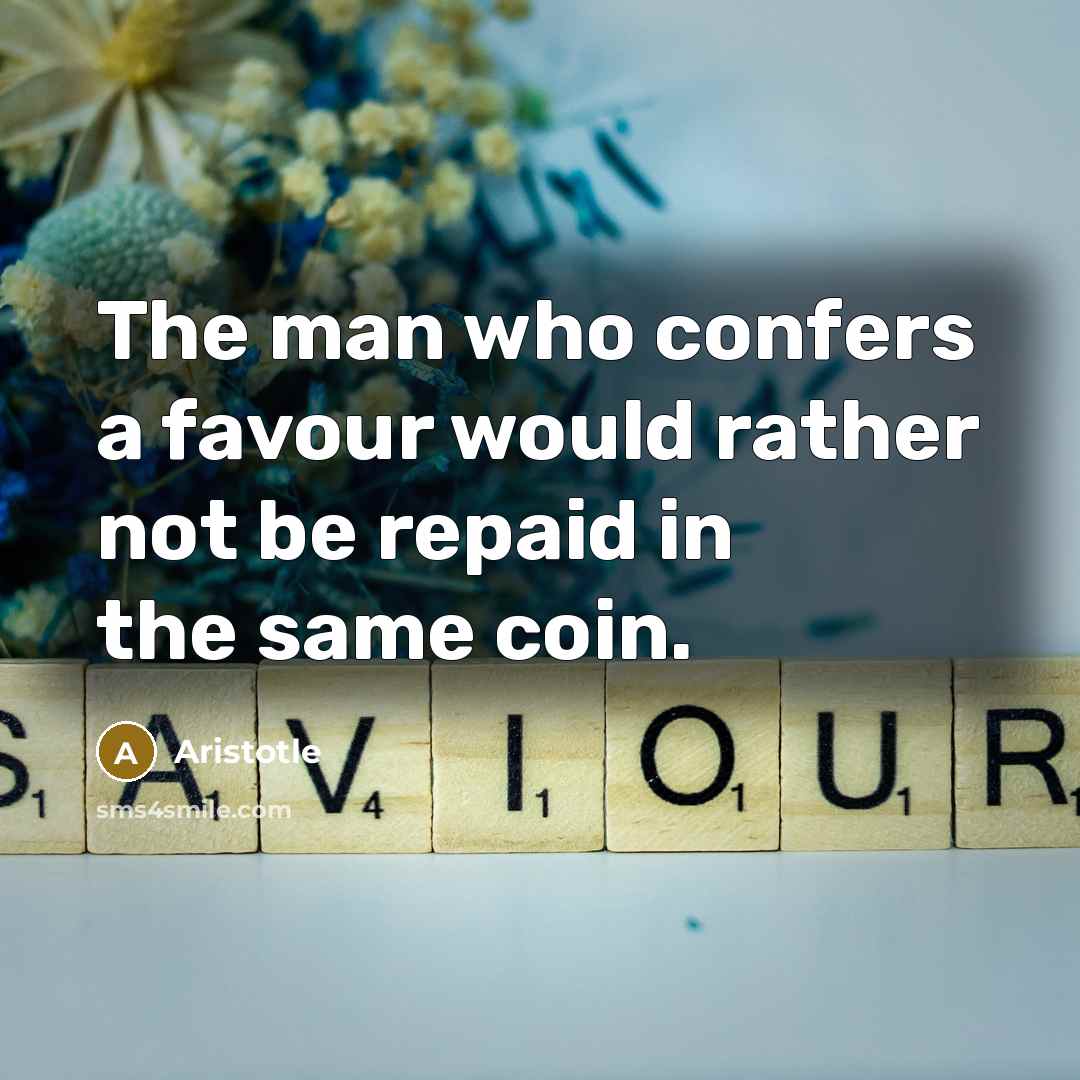
The man who confers a favour would rather not be repaid in the same coin. — Aristotle Copy Share Image
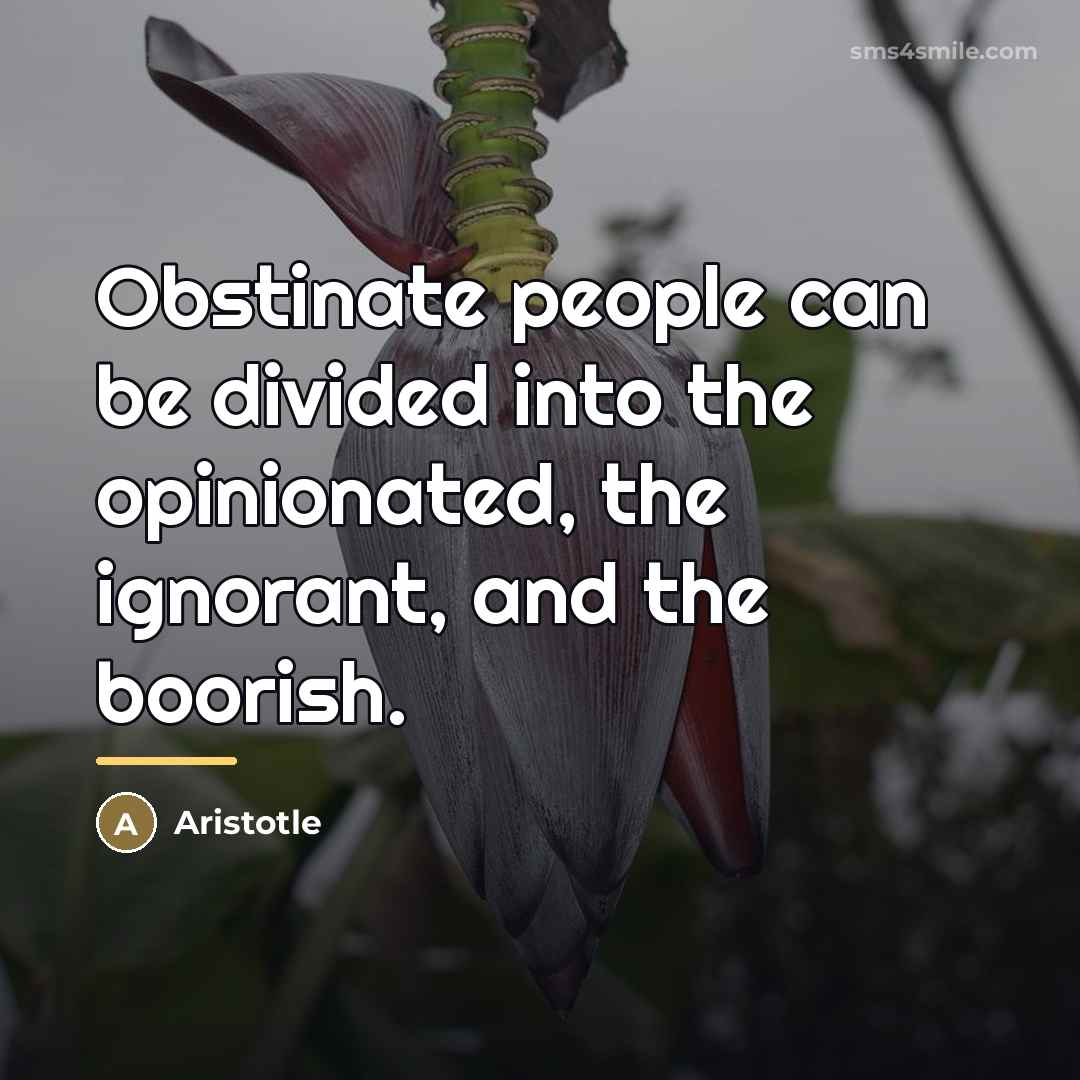
Obstinate people can be divided into the opinionated, the ignorant, and the boorish. — Aristotle Copy Share Image