In all things which have a plurality of parts, and which are not a total aggregate but a whole of some sort… — Aristotle Copy Share Image
He who has conferred a benefit on anyone from motives of love or honor will feel pain, if he sees that the… — Aristotle Copy Share Image
Memory is therefore, neither Perception nor Conception, but a state or affection of one of these, conditioned by lapse of time. As… — Aristotle Copy Share Image
They - Young People have exalted notions, because they have not been humbled by life or learned its necessary limitations; moreover, their… — Aristotle Copy Share Image
Not to get what you have set your heart on is almost as bad as getting nothing at all. — Aristotle Copy Share Image
A likely impossibility is always preferable to an unconvincing possibility. — Aristotle Copy Share Image
The knowledge of the soul admittedly contributes greatly to the advance of truth in general, and, above all, to our understanding of Nature, for… — Aristotle Copy Share Image
Young men have strong passions and tend to gratify them indiscriminately. Of the bodily desires, it is the sexual by which they are most… — Aristotle Copy Share Image
The body is at its best between the ages of thirty and thirty-five; the mind is at its best about the age of forty-nine. — Aristotle Copy Share Image
The ensouled is distinguished from the unsouled by its being alive. Now since being alive is spoken of in many ways, even if only… — Aristotle Copy Share Image
Although it may be difficult in theory to know what is just and equal, the practical difficulty of inducing those to forbear who can,… — Aristotle Copy Share Image
The true forms of government, therefore, are those in which the one, or the few, or the many, govern with a view to the… — Aristotle Copy Share Image
All persons ought to endeavor to follow what is right, and not what is established. — Aristotle Copy Share Image
Give a man a fish, you feed him for a day. Give a man a poisoned fish, you feed him for the rest of… — Aristotle Copy Share Image
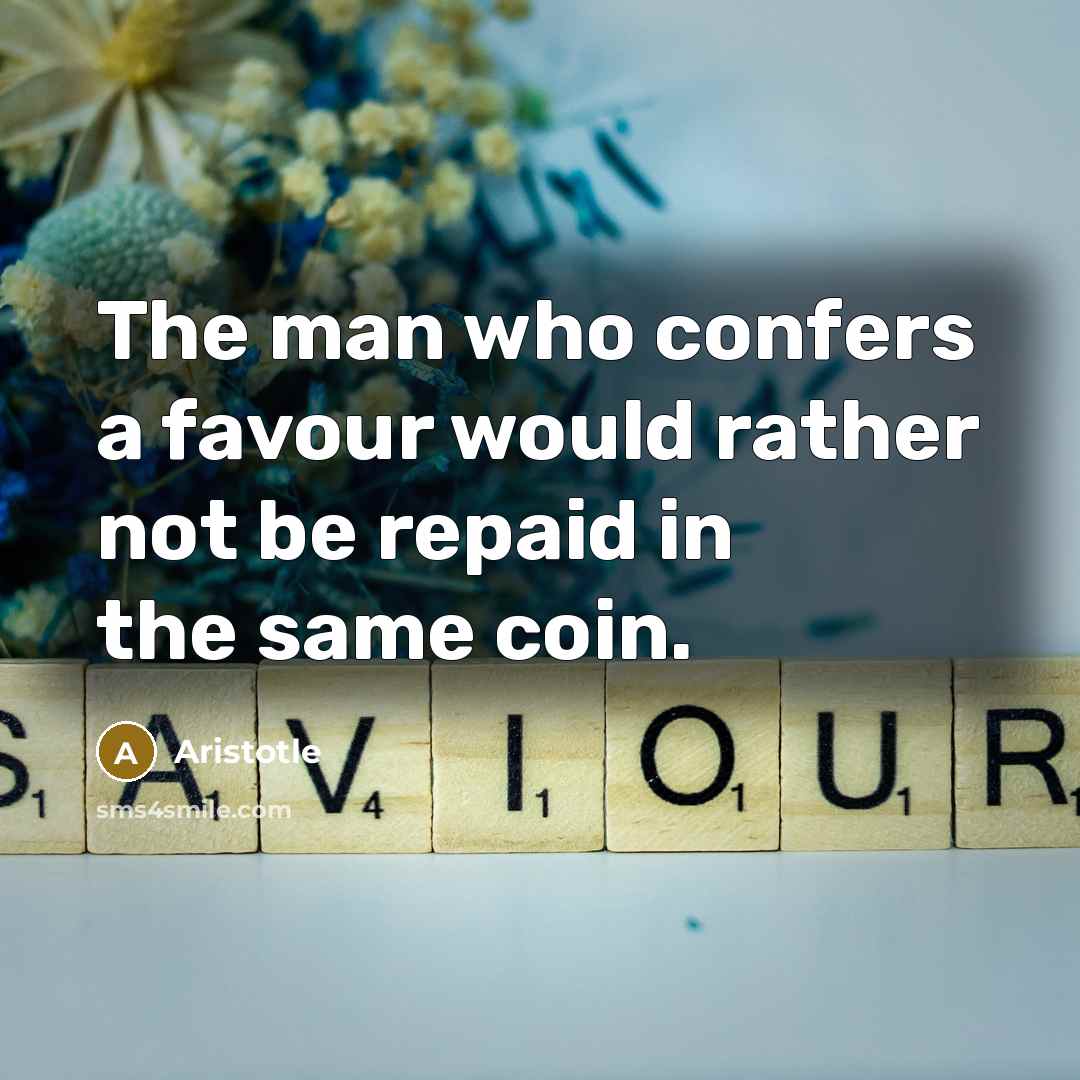
The man who confers a favour would rather not be repaid in the same coin. — Aristotle Copy Share Image
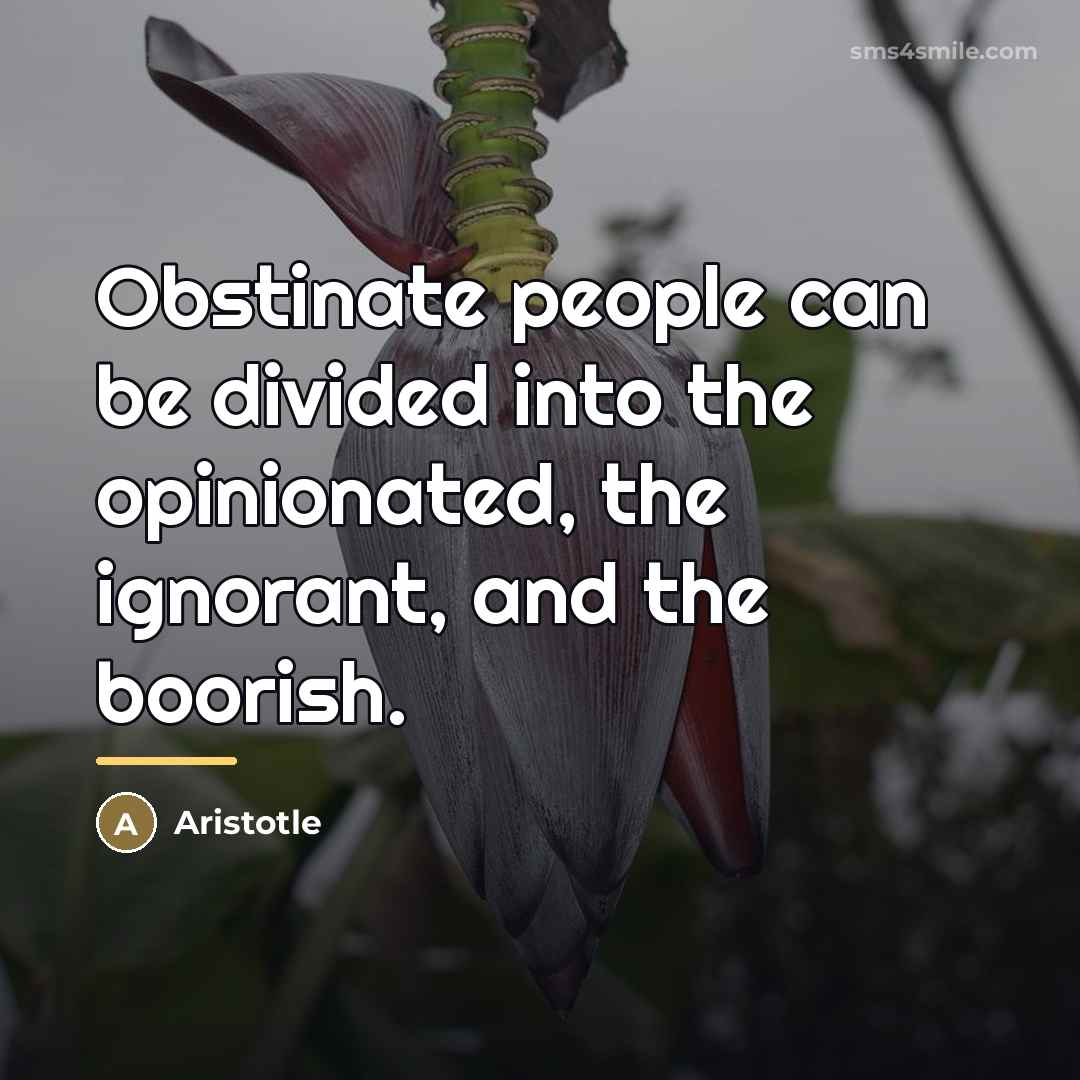
Obstinate people can be divided into the opinionated, the ignorant, and the boorish. — Aristotle Copy Share Image