Fight-flight-freeze Quote by Marilyn Van M. Derbur
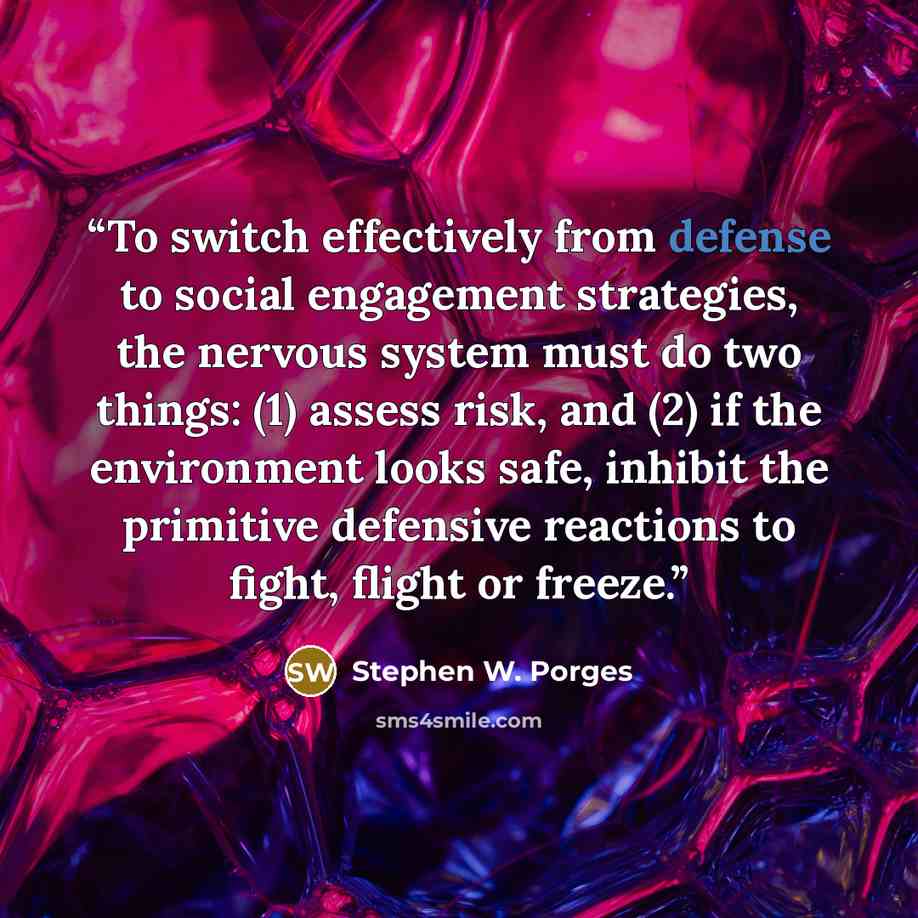
““Dr. Peter Levine, who has worked with trauma survivors for twenty-five years, says the single most important factor he has learned in uncovering the mystery of human trauma is what happens during and after the freezing response. He describes an impala being chased by a cheetah. The second the cheetah pounces on the young impala, the animal goes limp. The impala isn’t playing dead, she has “instinctively entered an altered state of consciousness, shared by all mammals when death appears imminent.” (Levine and Frederick, Waking the Tiger, p. 16) The impala becomes instantly immobile. However, if the impala escapes, what she does immediately thereafter is vitally important. She shakes and quivers every part of her body, clearing the traumatic energy she has accumulated.””
About This Quote
Trauma is often stored in the body during a freeze response; releasing it through physical movement after safety returns is crucial for healing.
In simple terms: Freezing traps trauma; shaking releases it.
Key Takeaway
Allow the body to move and release after danger passes.
Themes
trauma
bodymemory
recovery
physiology
healing
Mood
anxious
hopeful
reflective
Type
advice
clinical
inspirational
When to use this quote
- post‑trauma therapy
- combat training
- disaster relief
- personal crisis
- intensive care
Key Concepts
freeze response
somatic release
neurobiology
stress response
Questions to Reflect On
- How can you safely create space for bodily release?
- What practices support gradual reintegration after a freeze?
A Different Perspective
If safety is not truly restored, shaking may re‑traumatize.