Better way Quote by Guy Standing
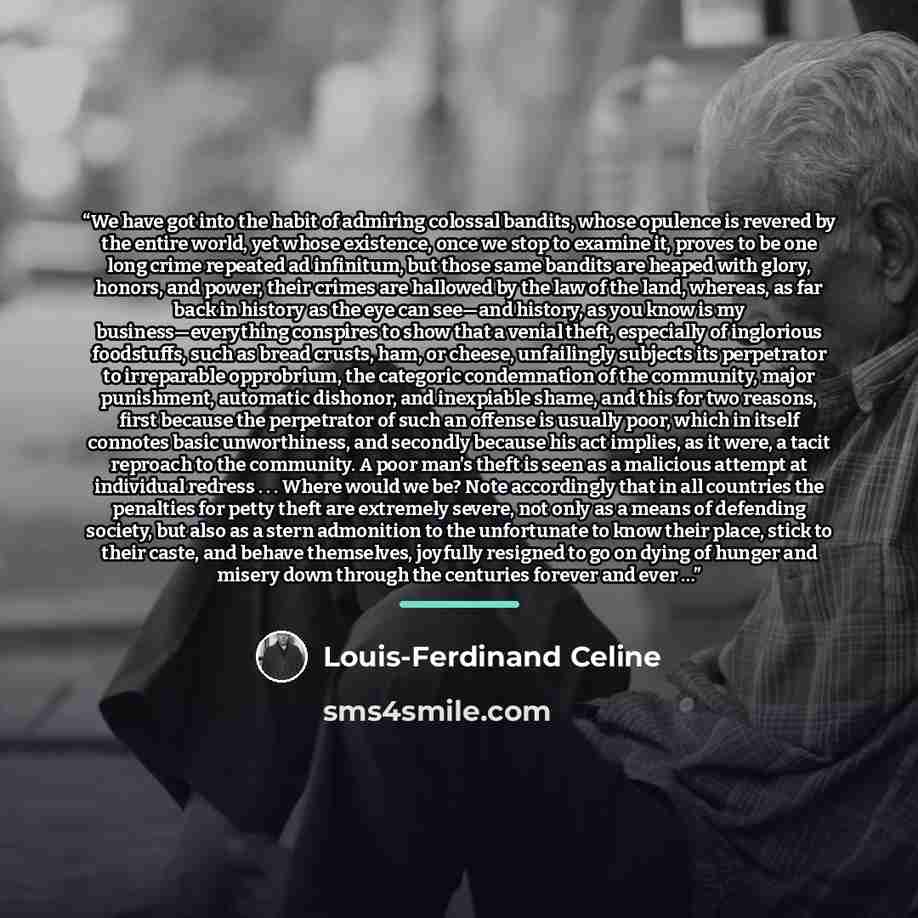
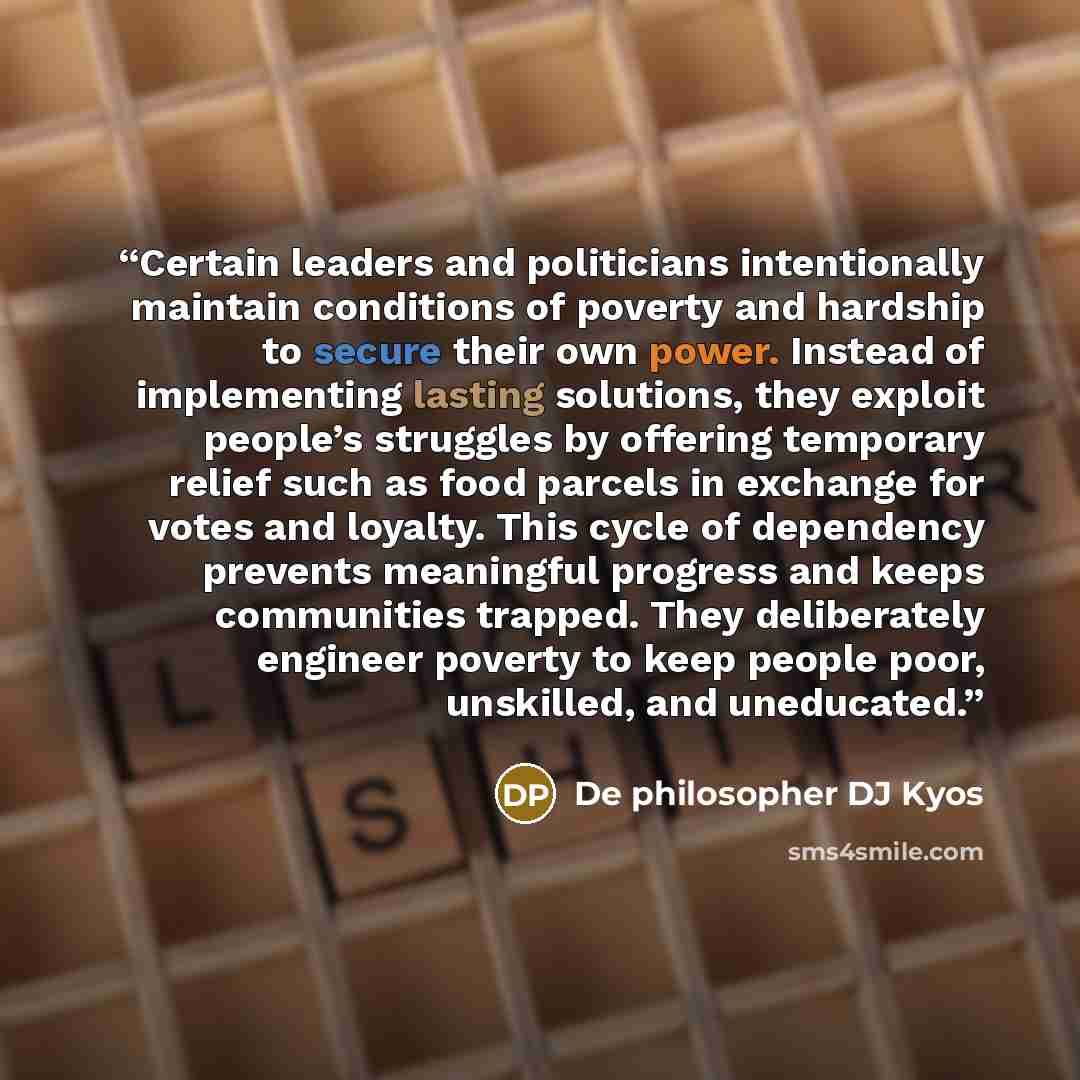
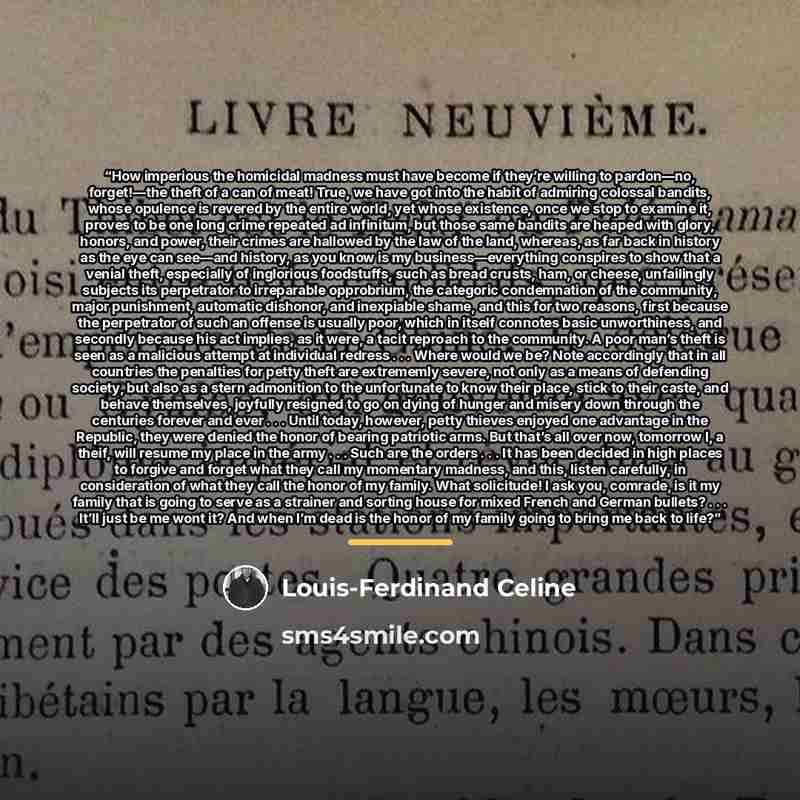
““It was nevertheless Thomas More who first depicted what a society with a basic income might look like. In a novel justification that is not without modern parallels,4 he saw basic income as a better way to reduce thievery than hanging, then the usual punishment. One of his characters says: No penalty on earth will stop people from stealing if it is their only way of getting food … Instead of inflicting these horrible punishments, it would be far more to the point to provide everyone with some means of livelihood, so that nobody is under the frightful necessity of becoming first a thief and then a corpse. Ten years later, a Spanish-Flemish scholar and friend of More, Johannes Vives, submitted a detailed proposal to the Mayor of Bruges for ensuring a minimum subsistence for all the city’s residents; this led to a brief trial of the idea in the town of Ypres. For this reason, some credit Vives with being the first to initiate something like a basic income. But in his model the assistance (food) was targeted on the poor only. Vives was also a proponent of ‘workfare’, making the poor labour in return. Still, More, Vives and others helped to legitimize the idea of publicly funded and publicly provided poor relief, rather than reliance on discretionary charity by the Church or the rich.””
About This Quote
Source Book: Utopia by Thomas More, 1516
Early ideas of basic income were proposed as a humane alternative to punitive punishments, aiming to prevent theft by ensuring subsistence.
In simple terms: Providing basic needs can reduce crime and suffering.
Key Takeaway
Ensure basic security for all.
Themes
social welfare
crime prevention
economic justice
historical ideas
Mood
thoughtful
analytical
Type
historical
policy
philosophical
When to use this quote
- modern policy debates
- social safety net design
- historical analysis
- urban poverty relief
- criminal justice reform
Key Concepts
basic income
workfare
public policy
poverty alleviation
Questions to Reflect On
- How would universal basic income change modern social safety nets?
- What challenges arise when shifting from charity to state provision?
A Different Perspective
Historical proposals often lacked funding mechanisms and faced political resistance.