Brain cells Quote by Delmore Schwartz

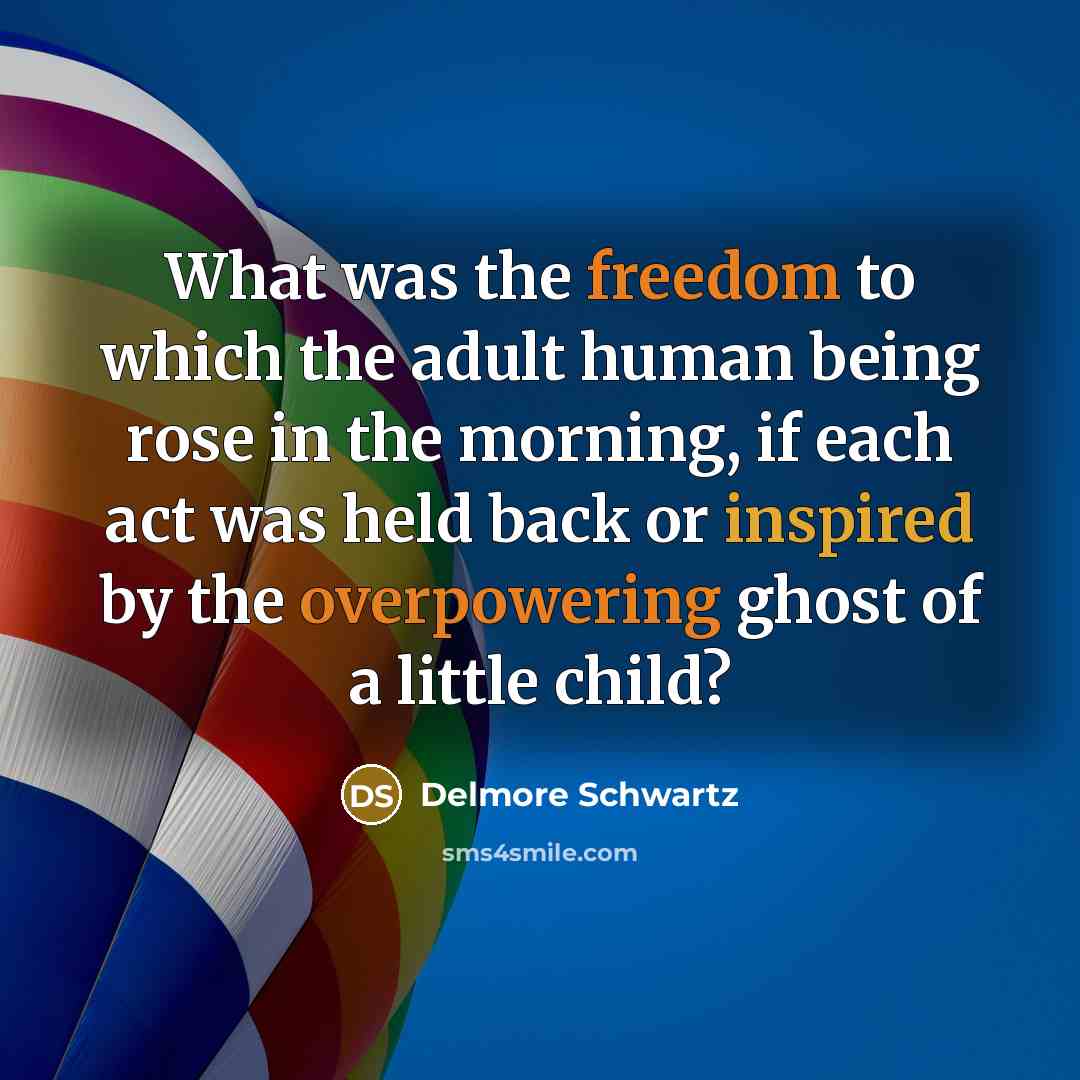
““The Poet" The riches of the poet are equal to his poetry His power is his left hand It is idle weak and precious His poverty is his wealth, a wealth which may destroy him like Midas Because it is that laziness which is a form of impatience And this he may be destroyed by the gold of the light which never was On land or sea. He may be drunken to death, draining the casks of excess That extreme form of success. He may suffer Narcissus' destiny Unable to live except with the image which is infatuation Love, blind, adoring, overflowing Unable to respond to anything which does not bring love quickly or immediately. ...The poet must be innocent and ignorant But he cannot be innocent since stupidity is not his strong point Therefore Cocteau said, "What would I not give To have the poems of my youth withdrawn from existence? I would give to Satan my immortal soul." This metaphor is wrong, for it is his immortal soul which he wished to redeem, Lifting it and sifting it, free and white, from the actuality of youth's banality, vulgarity, pomp and affectation of his early works of poetry. So too in the same way a Famous American Poet When fame at last had come to him sought out the fifty copies of his first book of poems which had been privately printed by himself at his own expense. He succeeded in securing 48 of the 50 copies, burned them And learned then how the last copies were extant, As the law of the land required, stashed away in the national capital, at the Library of Congress. Therefore he went to Washington, therefore he took out the last two copies Placed them in his pocket, planned to depart Only to be halted and apprehended. Since he was the author, Since they were his books and his property he was reproached But forgiven. But the two copies were taken away from him Thus setting a national precedent. For neither amnesty nor forgiveness is bestowed upon poets, poetry and poems, For William James, the lovable genius of Harvard spoke the terrifying truth: "Your friends may forget, God may forgive you, But the brain cells record your acts for the rest of eternity." What a terrifying thing to say! This is the endless doom, without remedy, of poetry. This is also the joy everlasting of poetry. Delmore Schwartz””
About This Quote
Source Poem: The Poet, Anonymous, 19th century (attributed to an unknown poet)
The poet’s wealth lies in poverty and creative struggle; fame and material success can corrupt artistic purity, leading to self‑destruction.
In simple terms: Poet’s poverty fuels art; fame can ruin it.
Key Takeaway
Guard artistic integrity against commercial temptation.
Themes
art
poverty
fame
creativity
integrity
Mood
contemplative
melancholic
Type
literary
philosophical
When to use this quote
- writing workshops
- artist residencies
- publishing decisions
- career planning for creatives
Key Concepts
aesthetic theory
psychology of creativity
literary criticism
Questions to Reflect On
- Can true art exist without material support?
- How does fame alter creative output?
A Different Perspective
The poet’s self‑destruction may be romanticized, overlooking practical needs.