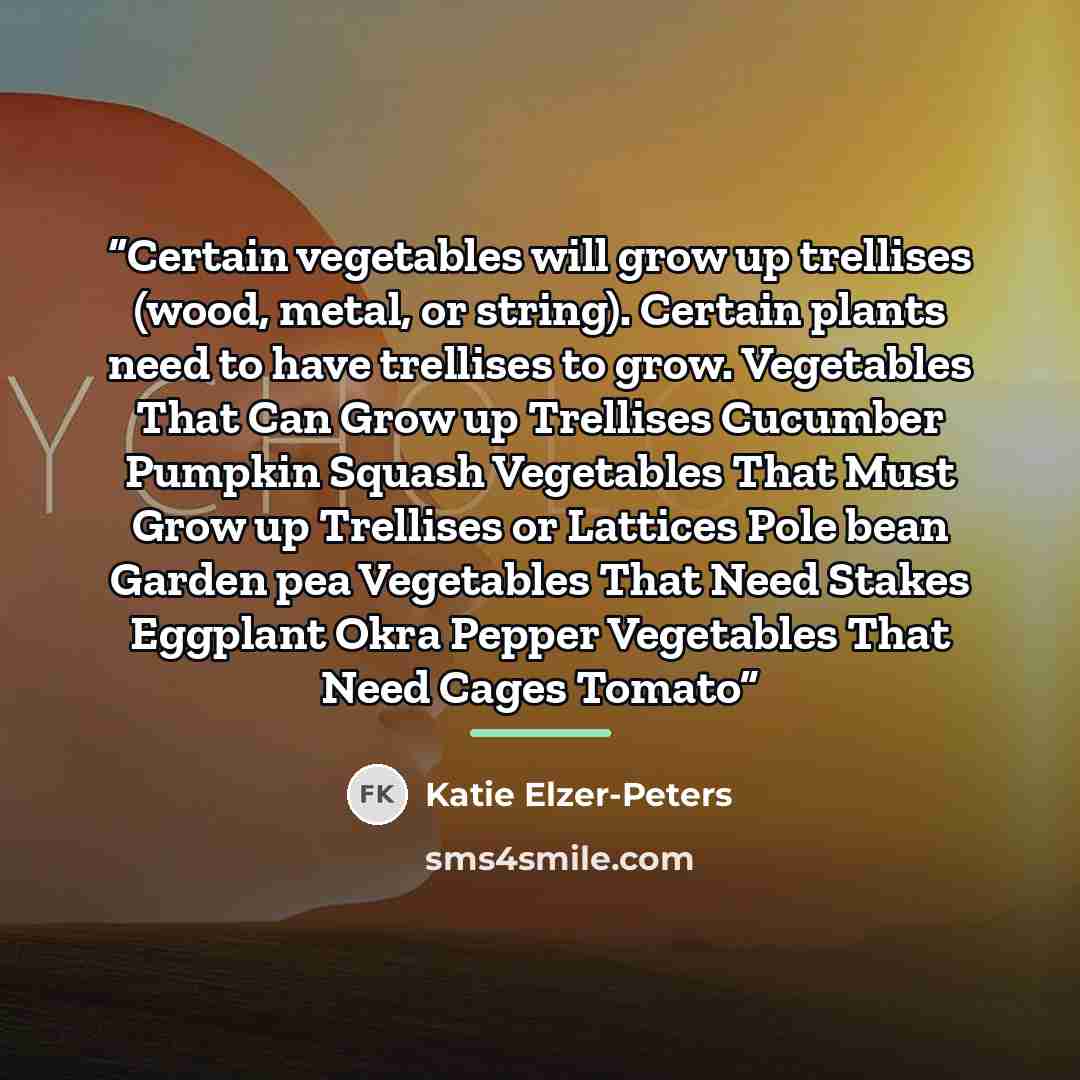
“Certain vegetables will grow up trellises (wood, metal, or string). Certain plants need to have trellises to grow. Vegetables That Can Grow up Trellises Cucumber Pumpkin Squash Vegetables That Must Grow up Trellises or Lattices Pole bean Garden pea Vegetables… — Katie Elzer-Peters Copy Share Image
“Mulching the vegetable garden will save you a lot of time watering and weeding. It is amazing the difference that a thick, 3-inch layer of mulch will make. If you mow your own lawn and don’t use chemicals on it, save the grass clippings—they make great mulch, and they add nutrients to the soil. Just remember to let them age… — Katie Elzer-Peters Copy Share
“You can buy an inexpensive soil thermometer to help you gauge when to plant different edibles. Cool-season vegetables germinate well when the soil is at least 50 degrees F. Most will sprout when soil temperatures are 50 to 70 degrees F. Warm-season vegetables grow best when soil temperatures are at least 65 degrees F. You can plant these when soil… — Katie Elzer-Peters Copy Share
“If your plant leaves are turning weird colors (purple, yellow), they might have nutrient deficiencies. Nutrient deficiencies cause highly predictable results, and it’s usually possible to diagnose whether a nutrient deficiency is a problem by looking at the plant. The diagram below shows the symptoms caused by the most common nutrient deficiencies. GROWING TIP If you see nutrient deficiency problems… — Katie Elzer-Peters Copy Share
“Fertilizers all have a combination of nutrients in them. Most of them have the “Big Three” macronutrients: nitrogen (N), which promotes green leafy growth, phosphorus (P), which strengthens roots and flowers, and potassium (K), to help with flavor and hardiness. Some fertilizers have micronutrients such as calcium, magnesium, manganese, and iron. Fertilizer labels include what is called an “analysis,” which… — Katie Elzer-Peters Copy Share
“How to Plant a Container-Grown Fruit Tree or Shrub 1. Use a shovel or marking paint to mark the area for the hole. The planting hole should be at least twice as wide as the tree’s rootball. 2. Dig the planting hole. This hole should be just as deep as the rootball—no deeper! If you sharpen the spade before digging,… — Katie Elzer-Peters Copy Share
“You can buy plants and seeds that have some level of resistance to common diseases affecting those types of plants. Look for these types of abbreviations on plant tags, labels, and catalog descriptions: BCMW: Resistance to bean curly mosaic virus CMW: Resistance to cucumber mosaic virus Foc, Foc 1: Resistance to fusarium yellows PM: Resistance to powdery mildew PVY: Resistance… — Katie Elzer-Peters Copy Share
“If you want to save seeds from year to year, you need to grow open-pollinated varieties. The words “heirloom” and “open-pollinated” are sometimes used interchangeably, but they don’t necessarily mean the same thing. “Heirloom” refers to a variety that was popular before World War II. “Open-pollinated” refers to a plant that produces stable characteristics from generation to generation. Heirlooms are… — Katie Elzer-Peters Copy Share
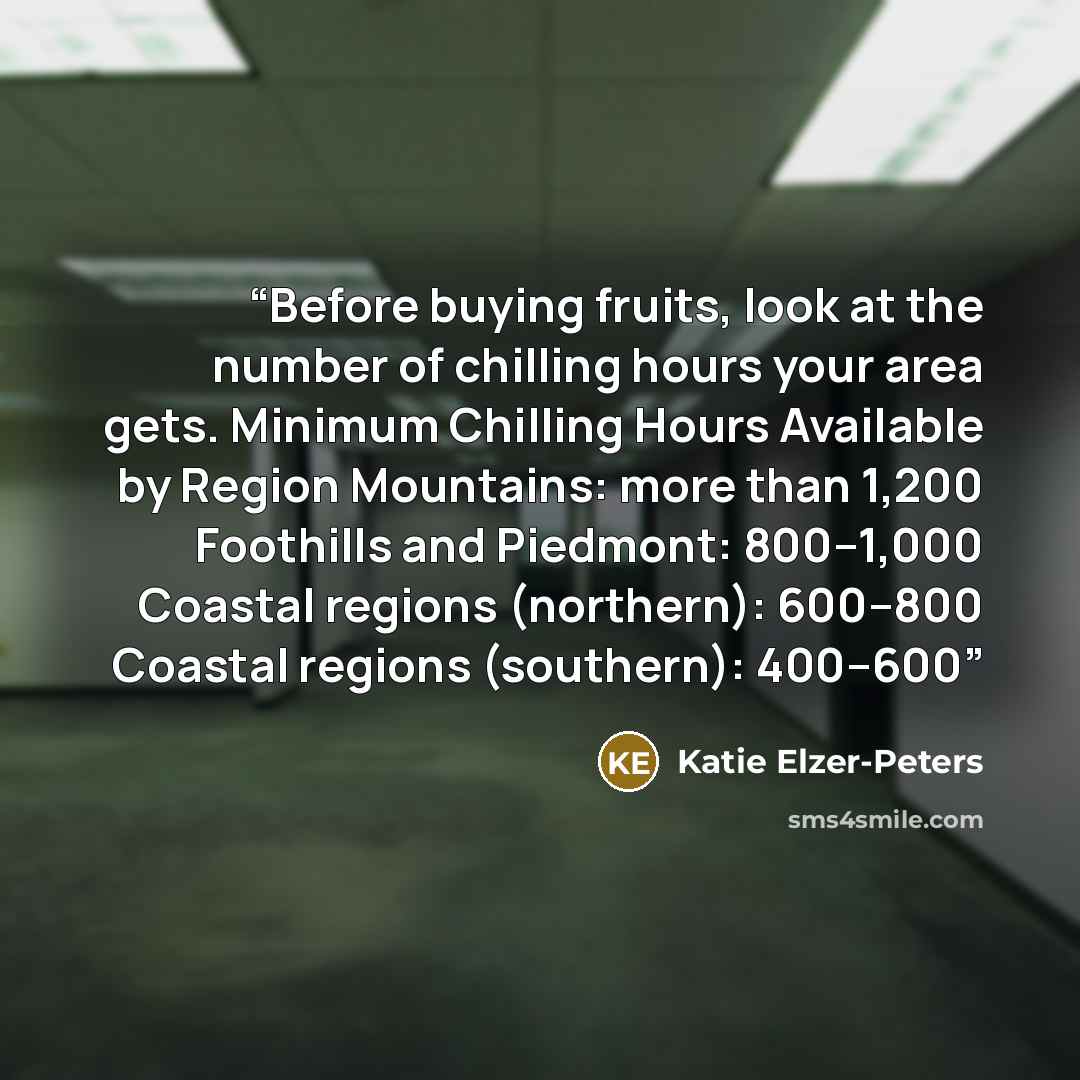
“Before buying fruits, look at the number of chilling hours your area gets. Minimum Chilling Hours Available by Region Mountains: more than 1,200 Foothills… — Katie Elzer-Peters Copy Share Image
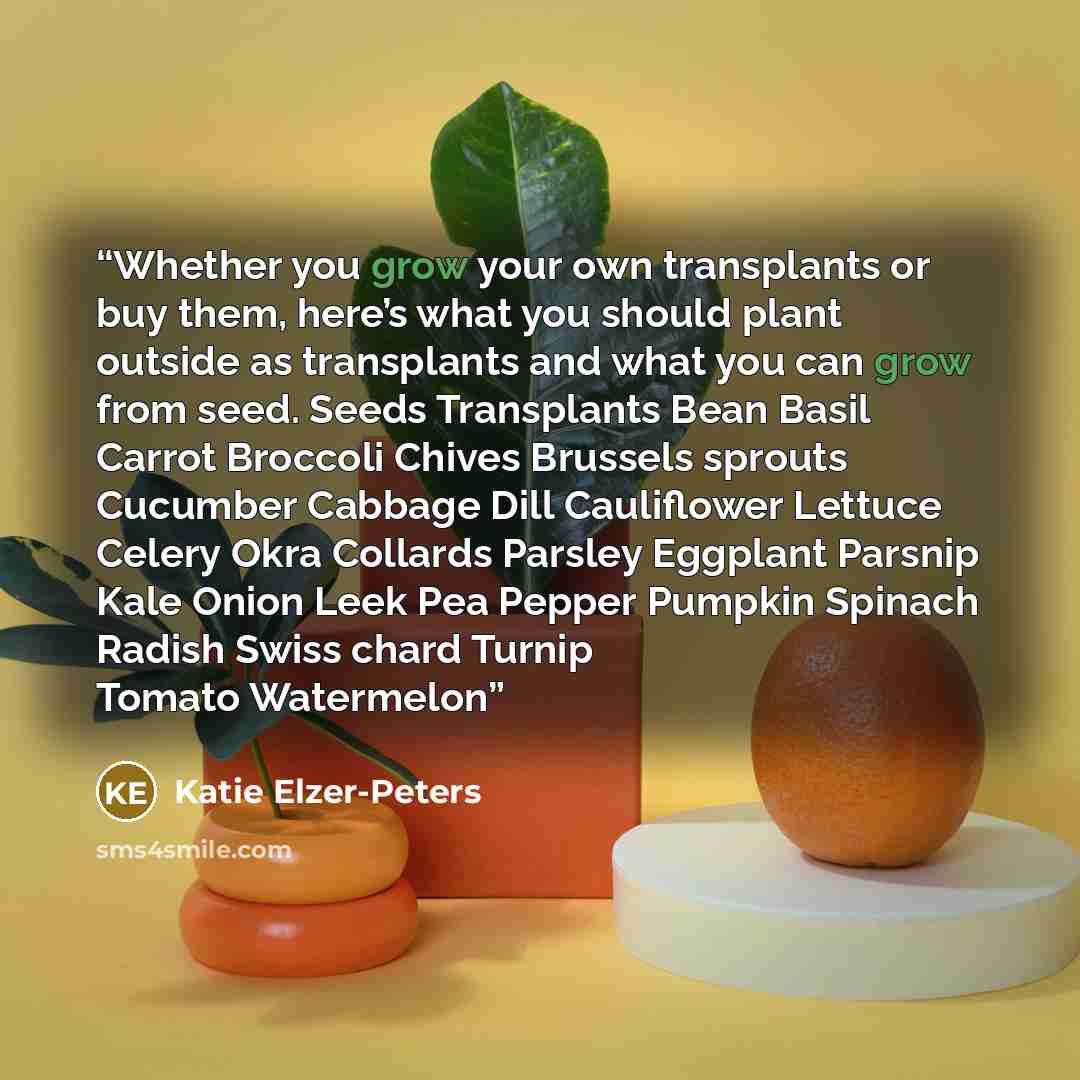
“Whether you grow your own transplants or buy them, here’s what you should plant outside as transplants and what you can grow from seed.… — Katie Elzer-Peters Copy Share Image
“How to Plant a Container-Grown Fruit Tree or Shrub 1. Use a shovel or marking paint to mark the area for the hole. The… — Katie Elzer-Peters Copy Share Image
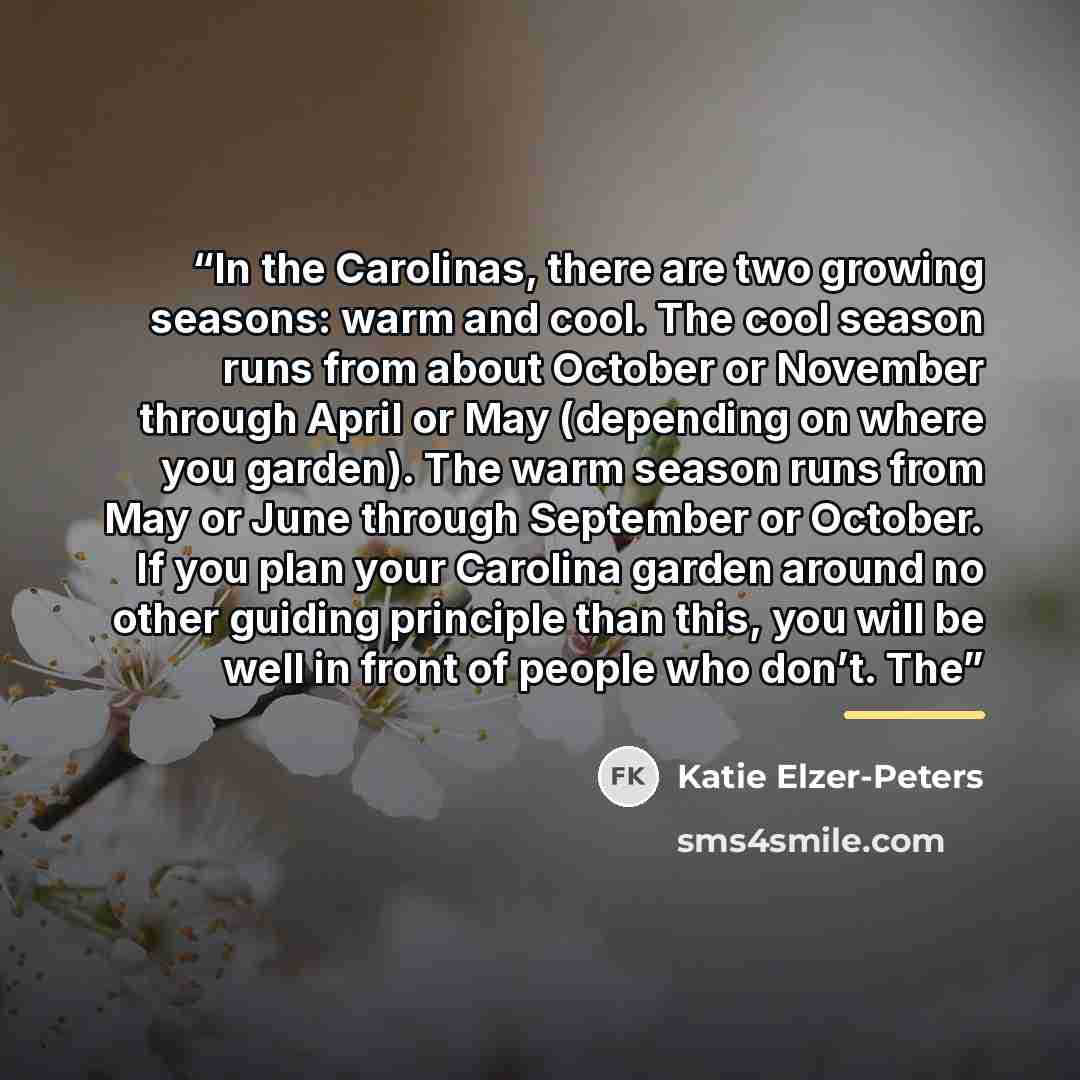
“In the Carolinas, there are two growing seasons: warm and cool. The cool season runs from about October or November through April or May… — Katie Elzer-Peters Copy Share Image
“Certain vegetables will grow up trellises (wood, metal, or string). Certain plants need to have trellises to grow. Vegetables That Can Grow up Trellises… — Katie Elzer-Peters Copy Share Image