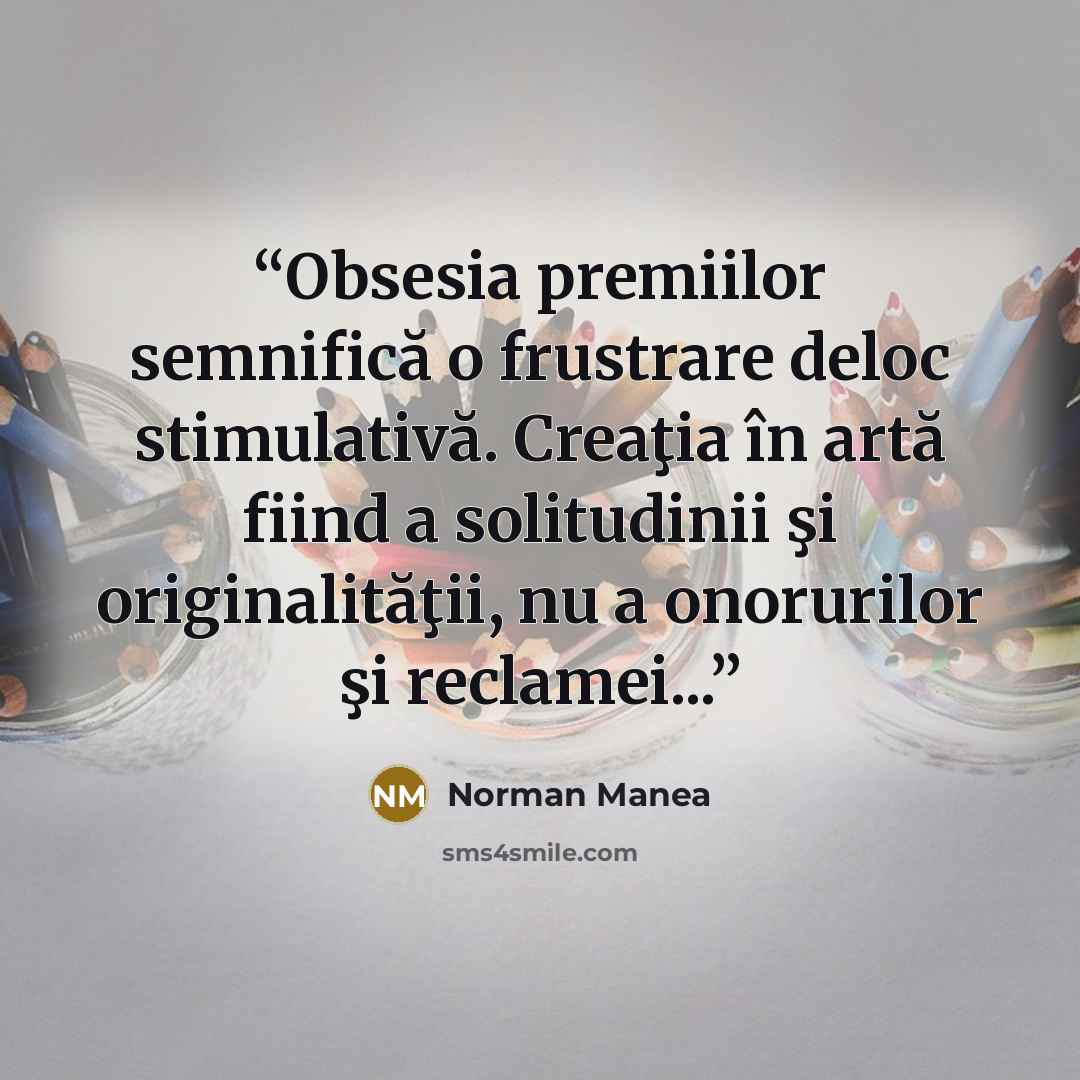
Books Quote by Norman Manea
““What I do know, is that I refused to compromise with the system and I was obsessed with preventing my work from being manipulated for their propaganda. Even stories about the Holocaust could have been promoted as anti-fascist stories, which they were in a way, but I didn’t want them to be taken only as such. I remember I had a reading in Berlin in the ‘80s and a man in the audience, asked me: ‘Sir, I read your book, I read the stories, you didn’t say who the oppressors were nor who are the people who are suffering.’ And I said, ‘No, I didn’t.’ It was important to me that a Vietnamese reader reading a story about a young boy who is in a camp, can recognize himself, without me saying: the boy is a Jew, the oppressor is a Romanian, or a Nazi, and so on. I wanted to have a more universal approach.””
About This Quote
Source Interview: Reflections on Narrative Universality, 1990
The author insists on universal storytelling that lets readers see themselves without explicit labels, avoiding propaganda and fostering empathy.
In simple terms: Stories should be universally relatable.
Key Takeaway
Write with ambiguity to invite personal identification.
Themes
literature
empathy
politics
Mood
thoughtful
critical
Type
literary
political
When to use this quote
- teaching literature
- writing memoirs
- human rights advocacy
- media analysis
Key Concepts
universalism
propaganda resistance
Questions to Reflect On
- How can universality respect particular histories?
- What balance between specificity and universality works?
A Different Perspective
Vagueness may dilute historical specificity.