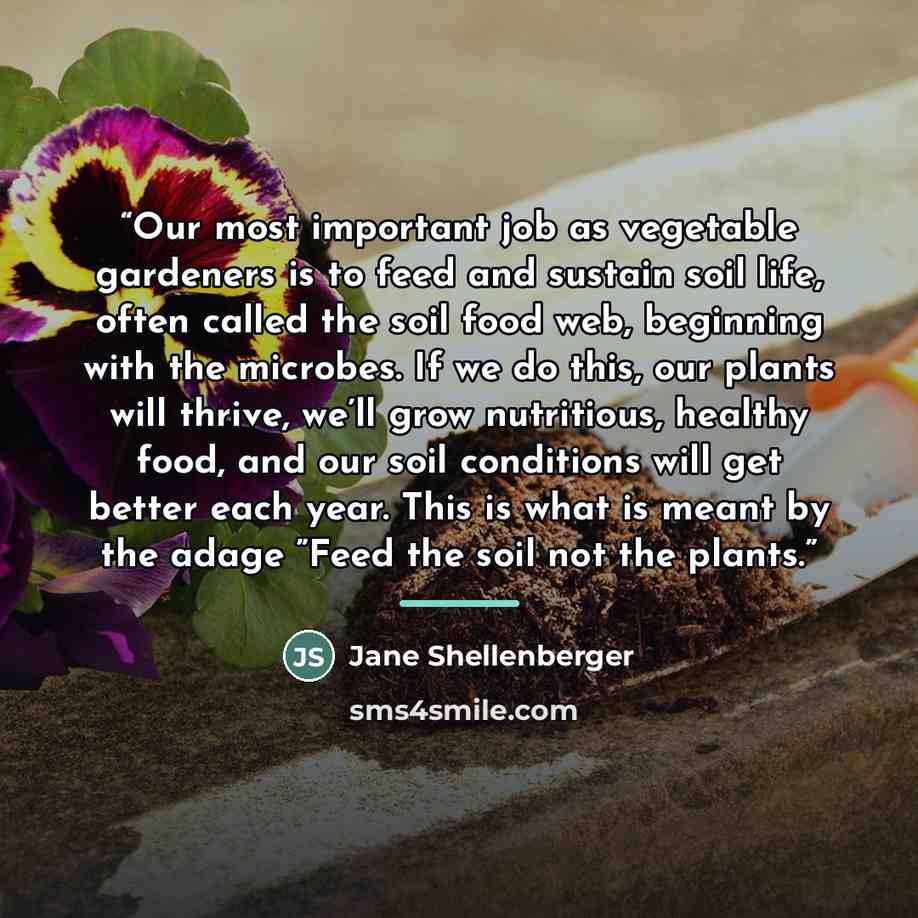
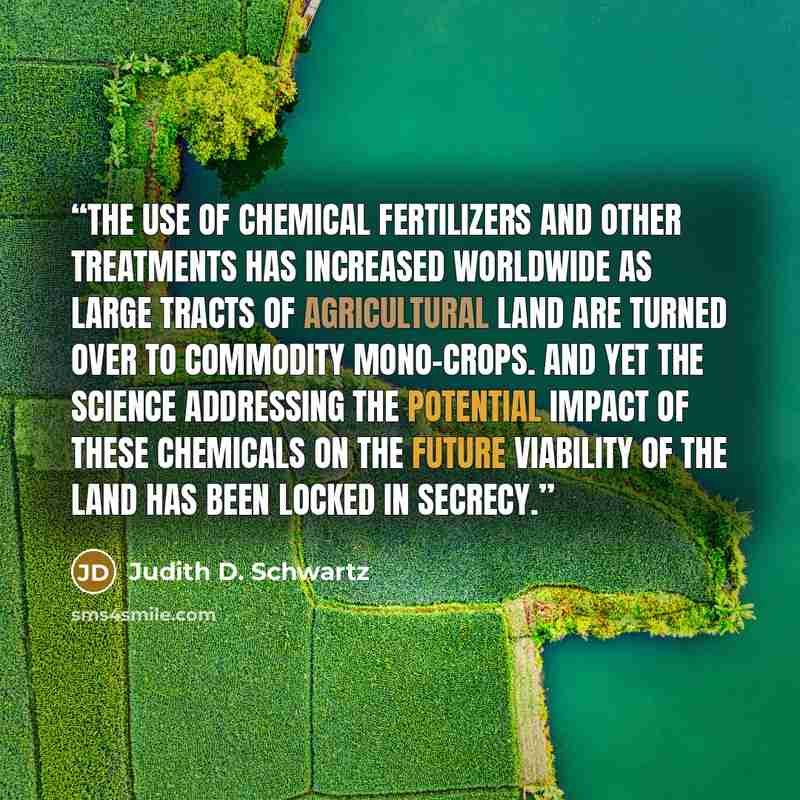
Healthy food Quote by Jeff Lowenfels
““Chemical fertilizers, pesticides, insecticides, and fungicides affect the soil food web, toxic to some members, warding off others, and changing the environment. Important fungal and bacterial relationships don’t form when a plant can get free nutrients. When chemically fed, plants bypass the microbial-assisted method of obtaining nutrients, and microbial populations adjust accordingly. Trouble is, you have to keep adding chemical fertilizers and using “-icides,” because the right mix and diversity—the very foundation of the soil food web—has been altered. It makes sense that once the bacteria, fungi, nematodes, and protozoa are gone, other members of the food web disappear as well. Earthworms, for example, lacking food and irritated by the synthetic nitrates in soluble nitrogen fertilizers, move out. Since they are major shredders of organic material, their absence is a great loss. Without the activity and diversity of a healthy food web, you not only impact the nutrient system but all the other things a healthy soil food web brings. Soil structure deteriorates, watering can become problematic, pathogens and pests establish themselves and, worst of all, gardening becomes a lot more work than it needs to be.””
About This Quote
Source Book: Teaming with Microbes: The Organic Gardener’s Guide to the Soil Food Web, Jeff Lowenfels, 2005
Relying on synthetic chemicals disrupts the soil ecosystem, killing beneficial microbes and earthworms, leading to poorer soil health and more work for gardeners.
In simple terms: Chemicals harm soil life, reducing soil quality and increasing effort.
Key Takeaway
Reduce chemical inputs and restore microbial diversity.
Themes
soil health
ecosystem balance
organic gardening
sustainability
Mood
concerned
motivated
hopeful
Type
educational
advisory
environmental
When to use this quote
- home gardening
- farm management
- landscape restoration
- crop production
Key Concepts
soil food web
microbial symbiosis
nutrient cycling
Questions to Reflect On
- How can you transition to organic practices without losing productivity?
- What steps restore earthworm populations?
A Different Perspective
Chemical reliance can temporarily boost yields but creates long‑term dependency and ecological damage.