Enslavement Quote by J.H. Elliott
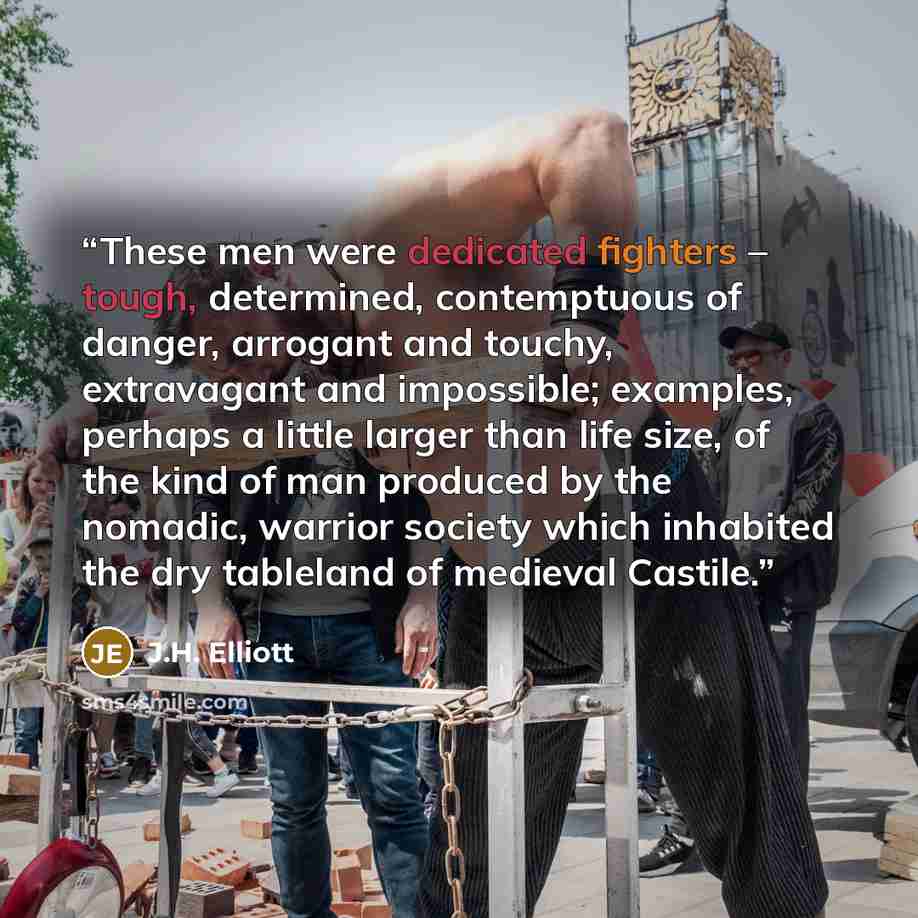
““Columbus sent home shiploads of Indians to be sold as slaves, but the theologians protested, the Queen's conscience rebelled, and enslavement of the Indians was formally prohibited in 1500. Exceptions were made, however, for Indians who attacked Spaniards, or practised atrocious habits such as cannibalism, and Cortés had no difficulty in finding pretexts for the enslavement of numerous men, women, and children.””
About This Quote
Source Historical Account: Letters of Hernán Cortés, 1519-1521
The passage describes early Spanish colonization, noting that while some officials opposed enslaving Indigenous peoples, looph were made for those deemed hostile or “cannibalistic,” allowing widespread exploitation.
In simple terms: Spanish colonists exploited Indigenous people despite occasional moral objections.
Key Takeaway
Recognize how legal loopholes enable oppression.
Themes
colonialism
ethics
power
human rights
Mood
critical
reflective
Type
historical
analytical
When to use this quote
- colonial administration
- missionary work
- military campaigns
- trade negotiations
Key Concepts
slavery
legal loopholes
moral hypocrisy
Questions to Reflect On
- How do legal definitions of “enemy” justify violence?
- What role did economic incentives play in shaping policy?
A Different Perspective
The narrative may understate Indigenous agency and resistance.