Greatest man Quote by George Eliot

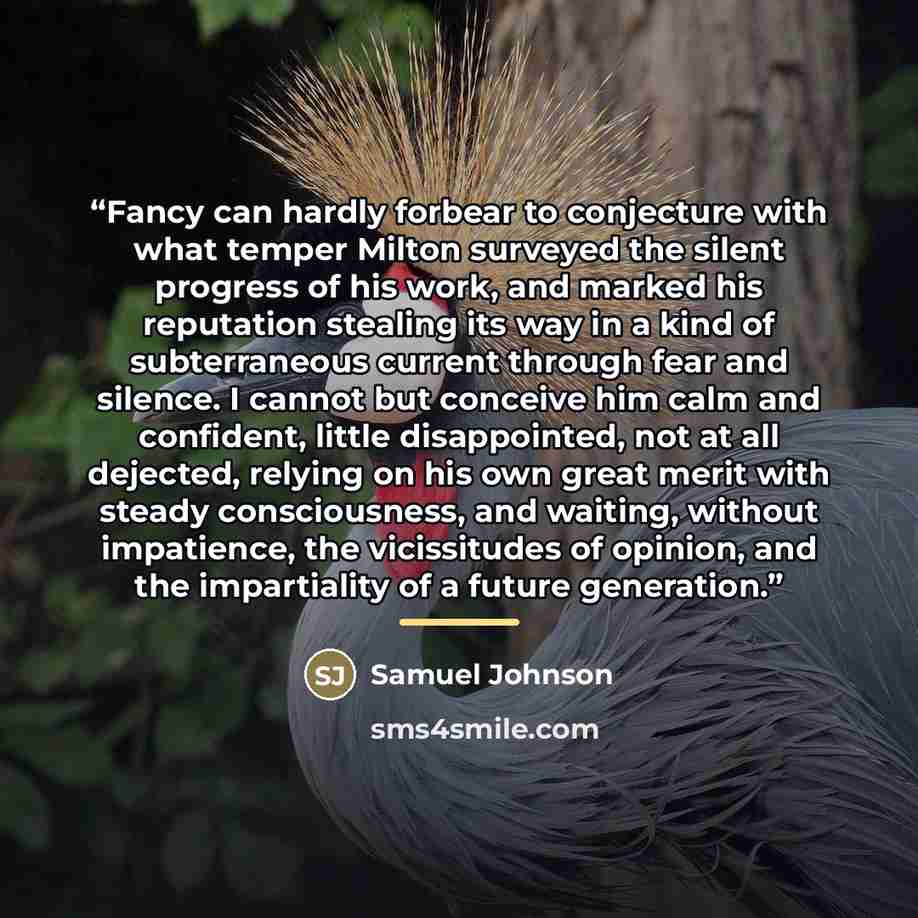
““I protest against any absolute conclusion, any prejudice derived from Mrs. Cadwallader's contempt for a neighboring clergyman's alleged greatness of soul, or Sir James Chettam's poor opinion of his rival's legs,—from Mr. Brooke's failure to elicit a companion's ideas, or from Celia's criticism of a middle-aged scholar's personal appearance. I am not sure that the greatest man of his age, if ever that solitary superlative existed, could escape these unfavorable reflections of himself in various small mirrors; and even Milton, looking for his portrait in a spoon, must submit to have the facial angle of a bumpkin. Moreover,””
About This Quote
The speaker mocks how personal biases and trivial judgments shape opinions about others.
In simple terms: People judge others based on petty prejudices.
Key Takeaway
Recognize and question your own biases.
Themes
philosophy
psychology
social critique
human nature
bias
Mood
critical
ironic
thoughtful
Type
literary
philosophical
When to use this quote
- literary analysis
- personal introspection
- social commentary
Key Concepts
subjectivity
prejudice
self‑reflection
perception
Questions to Reflect On
- What biases influence your view of others?
- How can we look beyond superficial judgments?
A Different Perspective
Overemphasis on trivial details can obscure true character.







![“[W]e must learn to accommodate ourselves to the discovery that some of those cunningly-fashioned instruments called human souls have only a very limited range of music, and will not vibrate in the least under a touch that fills others with tremulous rapture or quivering agony.” quote by George Eliot](https://sms4smile.com/quotes/img-quotes/9be/george-eliot-84_agony_w-e-must-learn-to-accommodate-ourselves_12409.jpg)