“Unplugging from digital distractions is an act of radical self-care and rebellion.” — Ken Breniman Copy Share Image
“When you step away from the screen, you open the door to the richness of real life.” — Ken Breniman Copy Share Image
“Instead of letting technology control me, I began to ask: ‘What is the purpose of this tool, and how does it serve… — Ken Breniman Copy Share Image
“What was once a barren patch of earth is now alive with hummingbirds and butterflies… It didn’t take much money, just time, energy, and… — Ken Breniman Copy Share Image
“Unplugging from digital distractions is an act of radical self-care and rebellion.” — Ken Breniman Copy Share Image
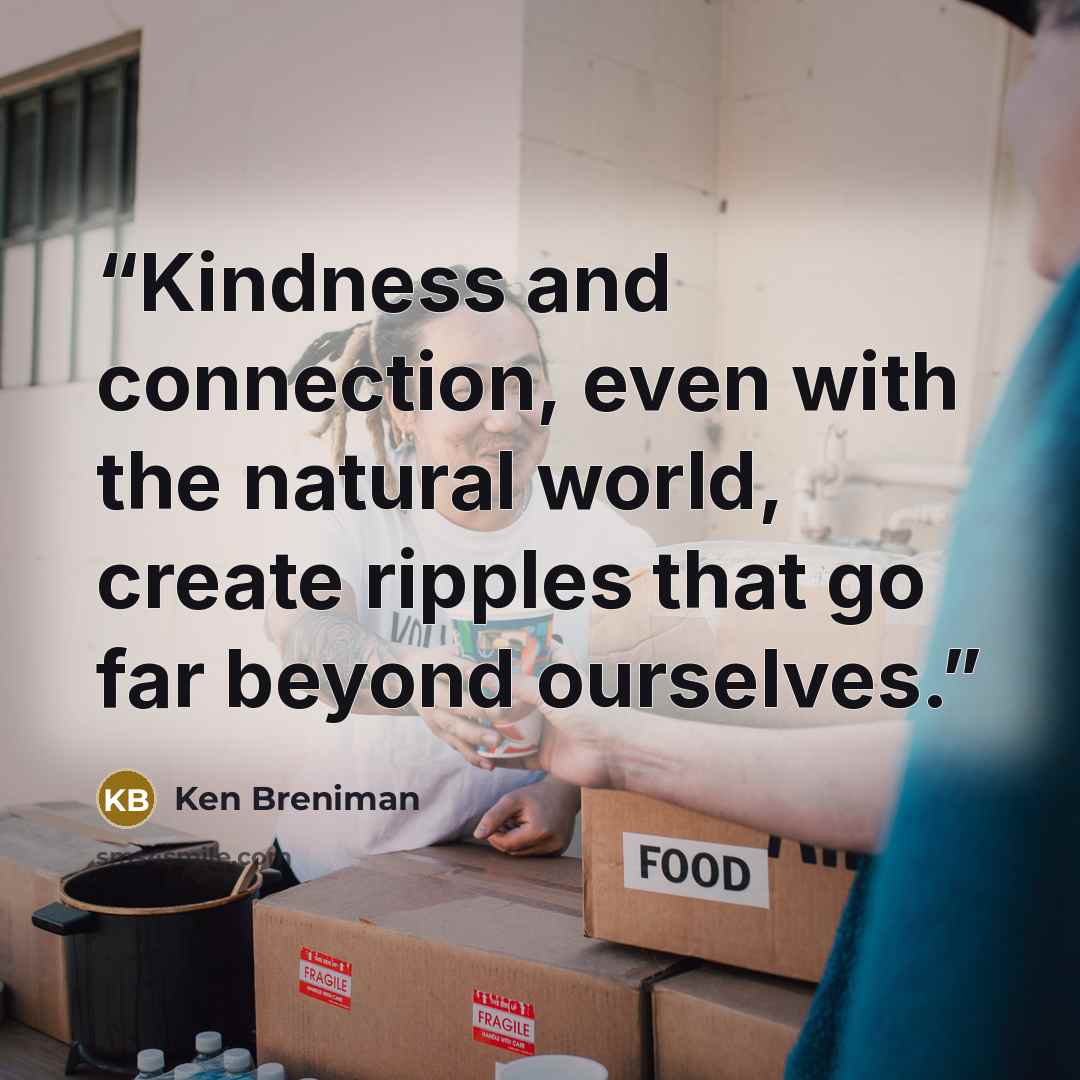
“Kindness and connection, even with the natural world, create ripples that go far beyond ourselves.” — Ken Breniman Copy Share Image
“Without touch, what kind of culture do we create? One where isolation and disconnection reign.” — Ken Breniman Copy Share Image
“What if each choice about what we bring into our lives became a declaration of our values?” — Ken Breniman Copy Share Image
“We’ve built a ‘human zoo,’ caging ourselves in routines, technology, and artificial environments.” — Ken Breniman Copy Share Image
“By stepping out of our mental and physical cages, we can rediscover the joy, creativity, and vitality that come from living as nature intended.” — Ken Breniman Copy Share Image
“Consumption isn’t just about taking—it’s also about sharing, repurposing, and honoring the life cycle of the things we use.” — Ken Breniman Copy Share Image
“Imagine a world without touch… Relationships grow colder, trust erodes, and loneliness becomes the norm.” — Ken Breniman Copy Share Image
“Now picture the opposite: a world where rest is sacred… Which world do you want to create?” — Ken Breniman Copy Share Image
“Advocating for justice can feel overwhelming. The problems are massive, systemic, and deeply entrenched. But every small act—every starfish saved—matters.” — Ken Breniman Copy Share Image
“We live in a world where touch is both desperately needed and heavily stigmatized.” — Ken Breniman Copy Share Image