Learning Quote by Pope Benedict XVI

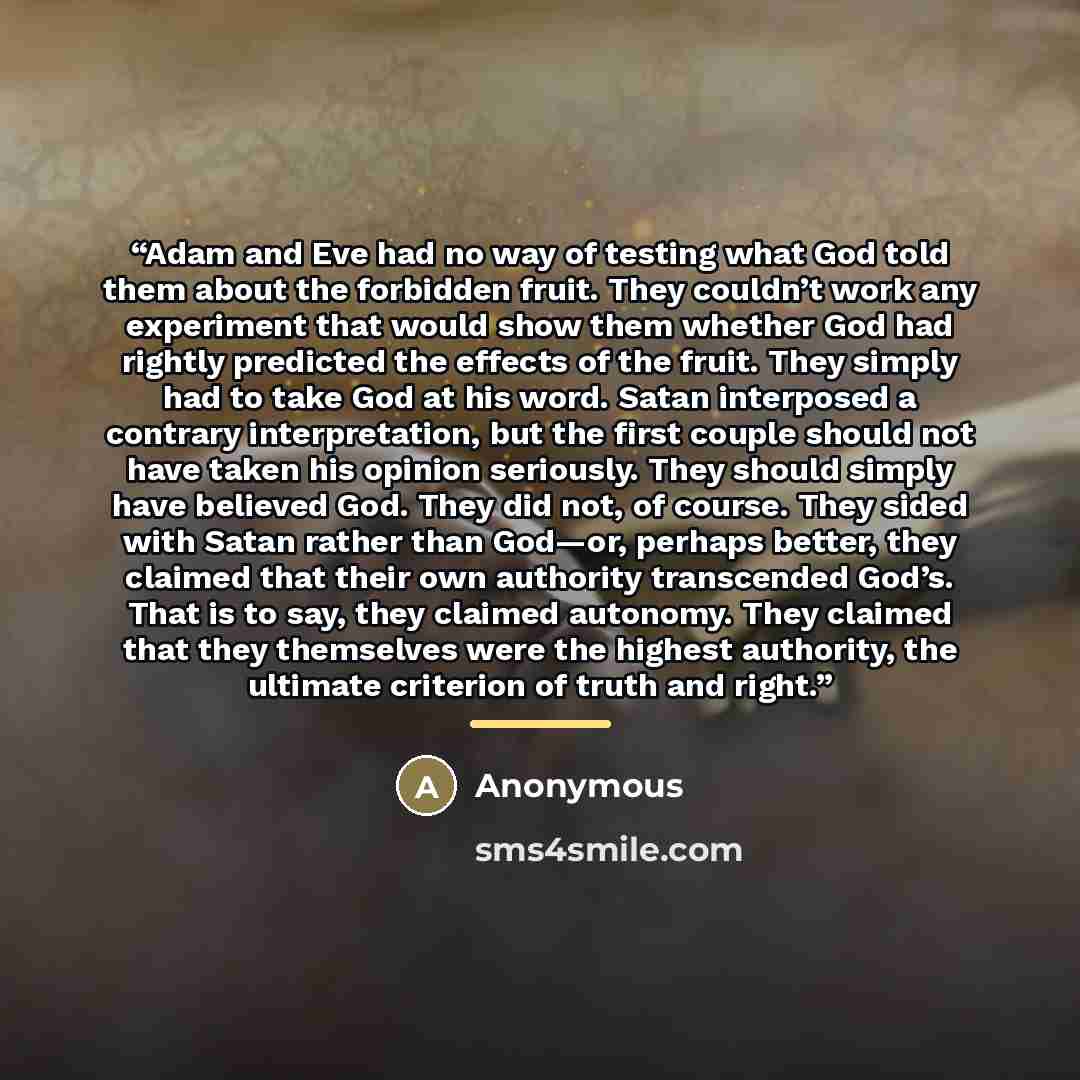
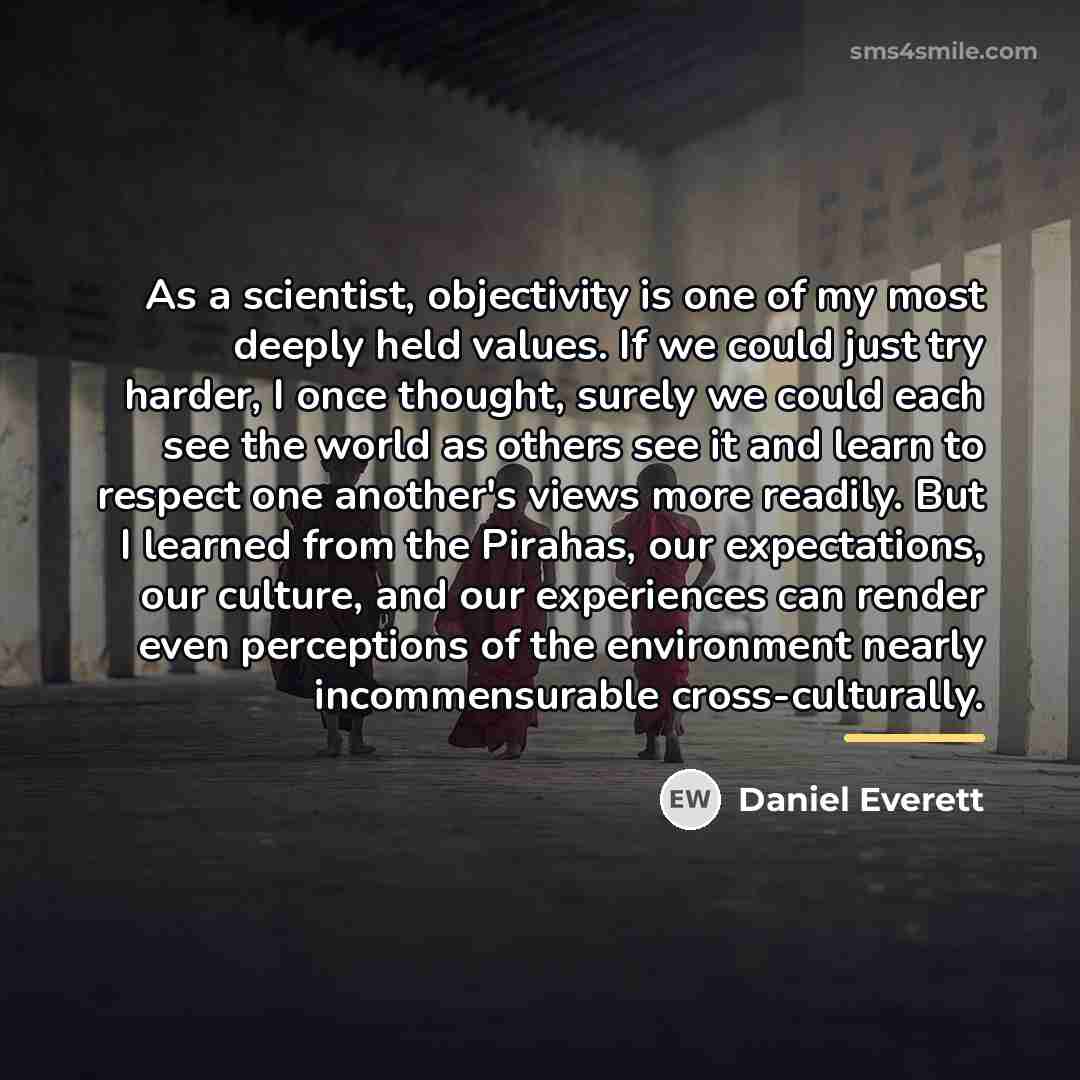
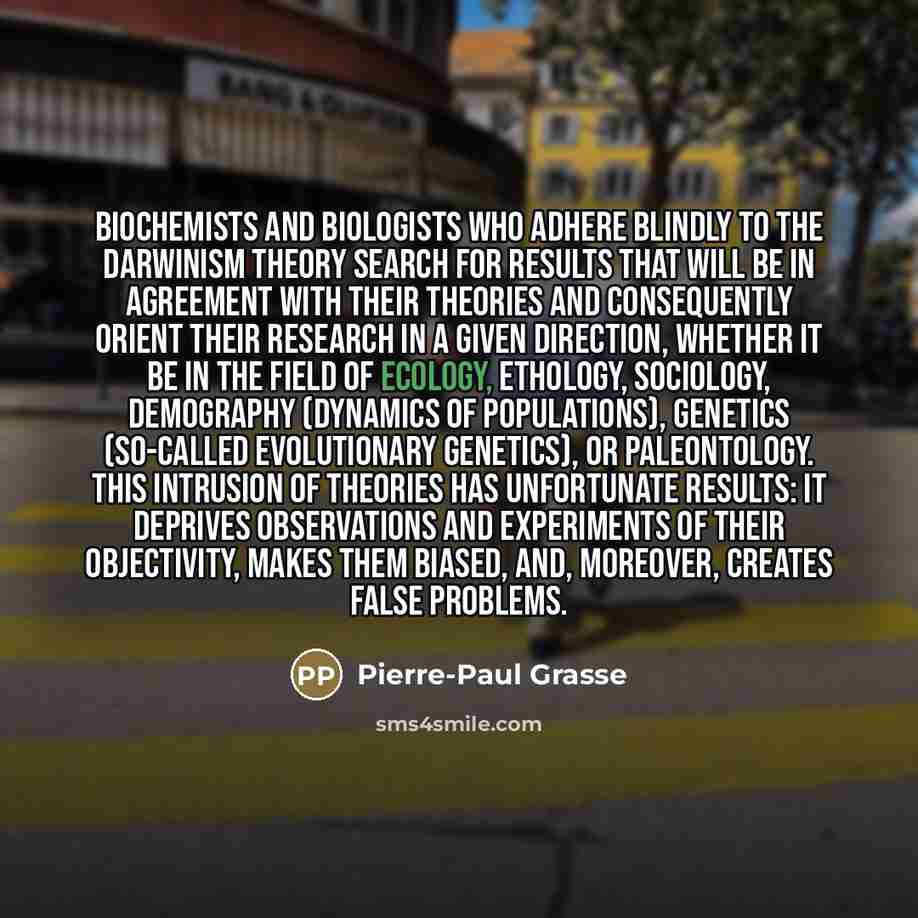
““But first let me mention the second aid to understanding provided by science. We know today that in a physical experiment the observer himself enters into the experiment and only by doing so can arrive at a physical experience. This means that there is no such thing as pure objectivity in in physics, that even here the result of the experiment, nature's answer, depends on the question put to it. In the answer there is always a bit of the question and a bit of the questioner himself; it reflects not only nature in itself, in its pure objectivity, but also gives back something of man, of what is characteristically ours, a bit of the human subject. This too, mutatis mutandis, is true of the question of God. There is no such thing as a mere observer. There is no such thing as pure objectivity. One can even say that the higher an object stands in human terms, the more it generates the center of individuality; and the more it engages the beholder's individuality, then the smaller the possibility of the mere distancing involved in pure objectivity. Thus, whenever an answer is presented as unemotionally objective, as a statement that finally goes beyond the prejudices of the pious and provides purely factual, scientific information, then it has to be said that the speaker has here fallen victim to self-deception. This kind of objectivity is quite simply denied to man. He cannot ask and exist as a mere observer. He who tries to be a mere observer experiences nothing. Even the reality "God" can only impinge on the vision of him who enters into the experiment with God--the experiment that we call faith. Only be entering does one experience; only by cooperating in the experiment does one ask at all; and only he who asks receives an answer.””
About This Quote
Source Speech: Address on Faith and Science, 2009
The passage argues that pure objectivity is impossible because observers always influence outcomes; this applies to both scientific and spiritual inquiries.
In simple terms: Observers affect results, so true objectivity doesn’t exist in science or faith.
Key Takeaway
Accept the role of subjectivity in knowledge.
Themes
theology
science
philosophy
objectivity
humanity
Mood
thoughtful
analytical
humble
Type
philosophical
theological
inspirational
When to use this quote
- academic research
- theological debate
- ethical decision‑making
- personal reflection
Key Concepts
subjectivity
observer effect
faith
knowledge construction
human perspective
Questions to Reflect On
- In what ways do your assumptions shape your conclusions?
- How can we balance objectivity with personal perspective?
A Different Perspective
Believing in pure objectivity can lead to self‑deception and ignore human influence.


![“[In geology,] As in history, the material in hand remains silent if no questions are asked. The nature of these questions depends on the "school" to which the geologist belongs and on the objectivity of his investigations. Hans Cloos called this way of interrogation "the dialogue with the earth,"…” quote by Anonymous](https://sms4smile.com/quotes/img-quotes/8a7/anonymous-1_communication_in-geology-as-in-history-the-material-in_22470.jpg)









![“One of the promising indications of a renewal in the Church's missionary consciousness in recent decades, has been the growing desire of many lay men and women [...] to cooperate generously in the 'missio ad gentes.' As Vatican Council II stressed, the work of evangelization is a fundamental duty…” quote by Pope Benedict XVI](https://sms4smile.com/quotes/img-quotes/f7c/pope-benedict-xvi-414_ads_one-of-the-promising-indications-of-a-re_71852.jpg)