Language Quote by Jeanette Winterson
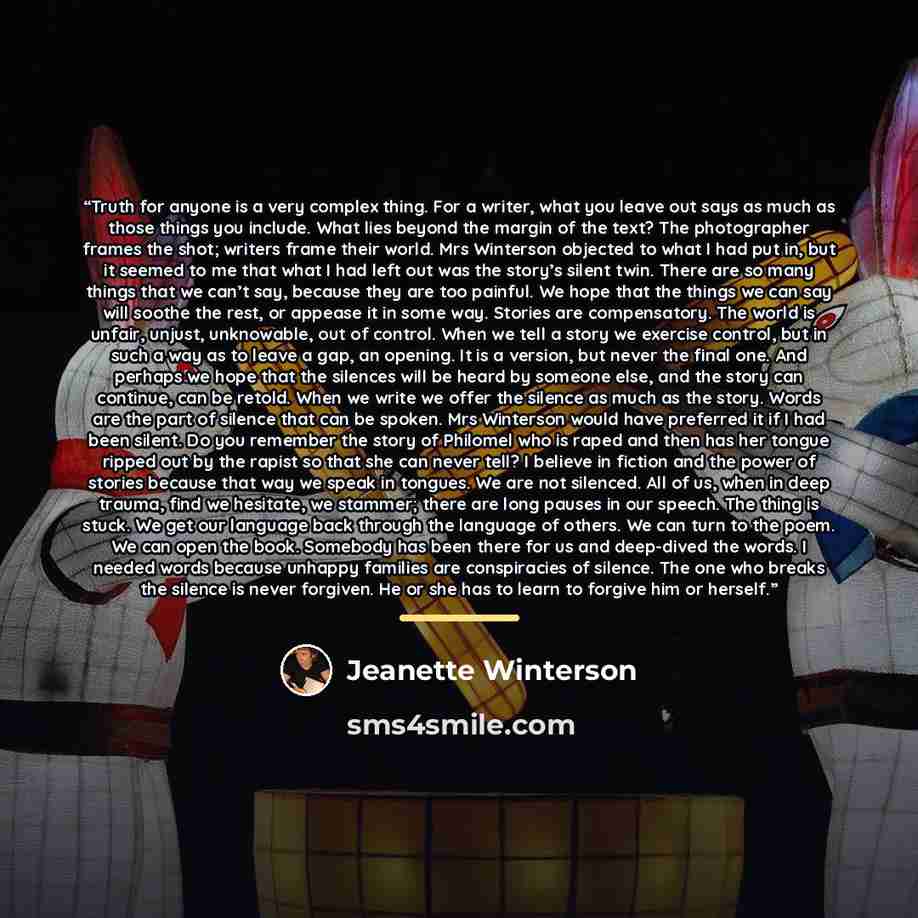
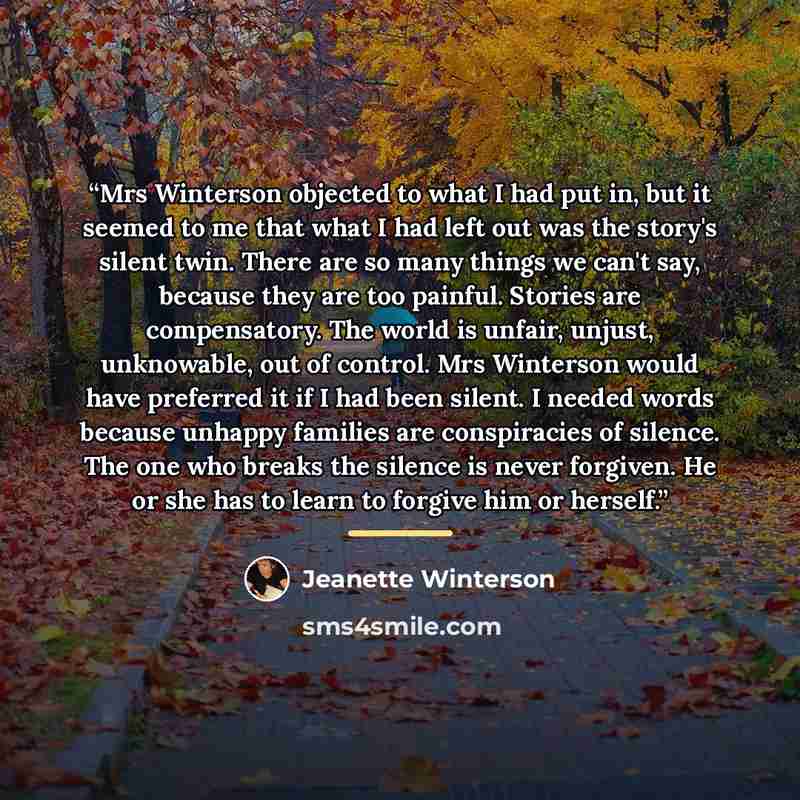
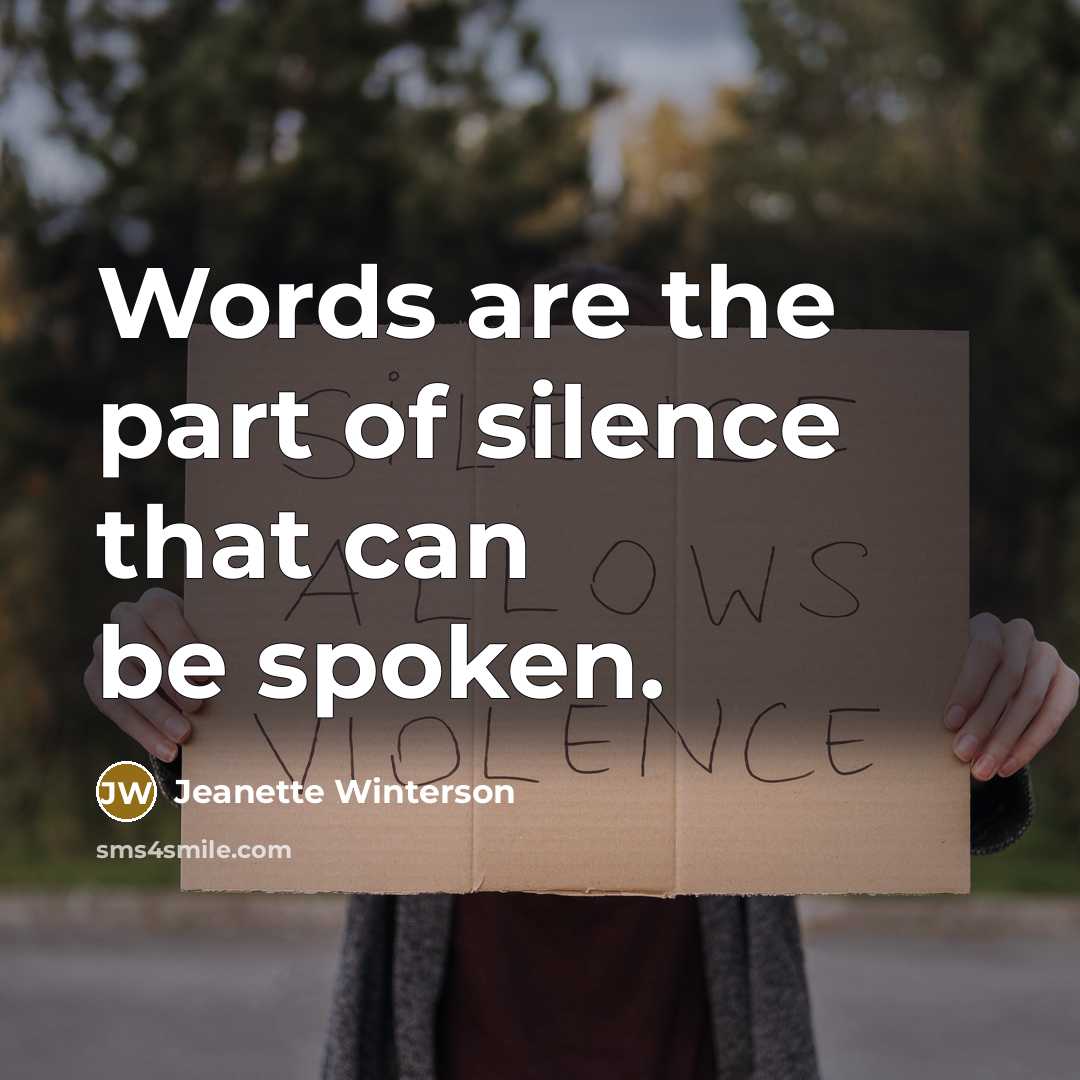
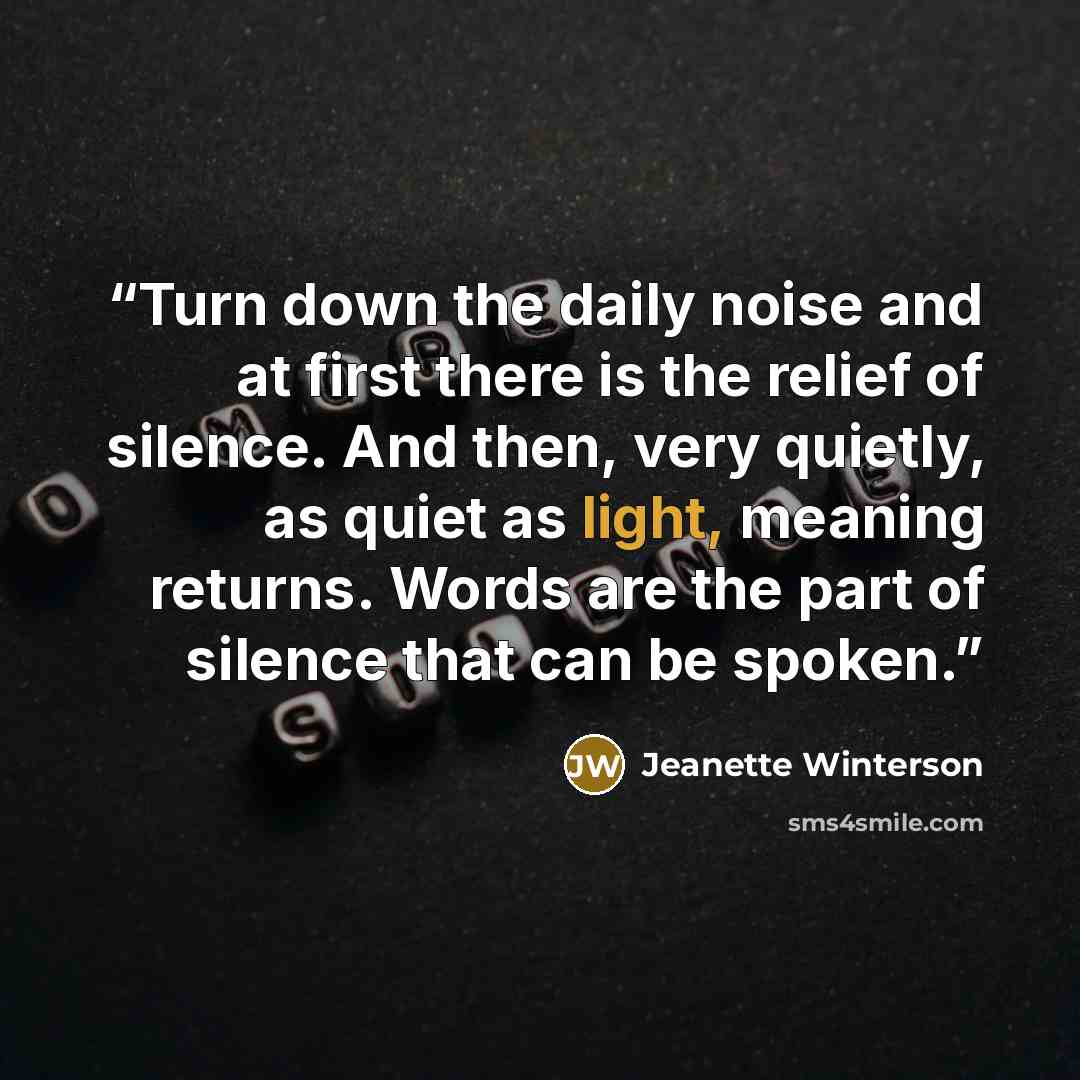
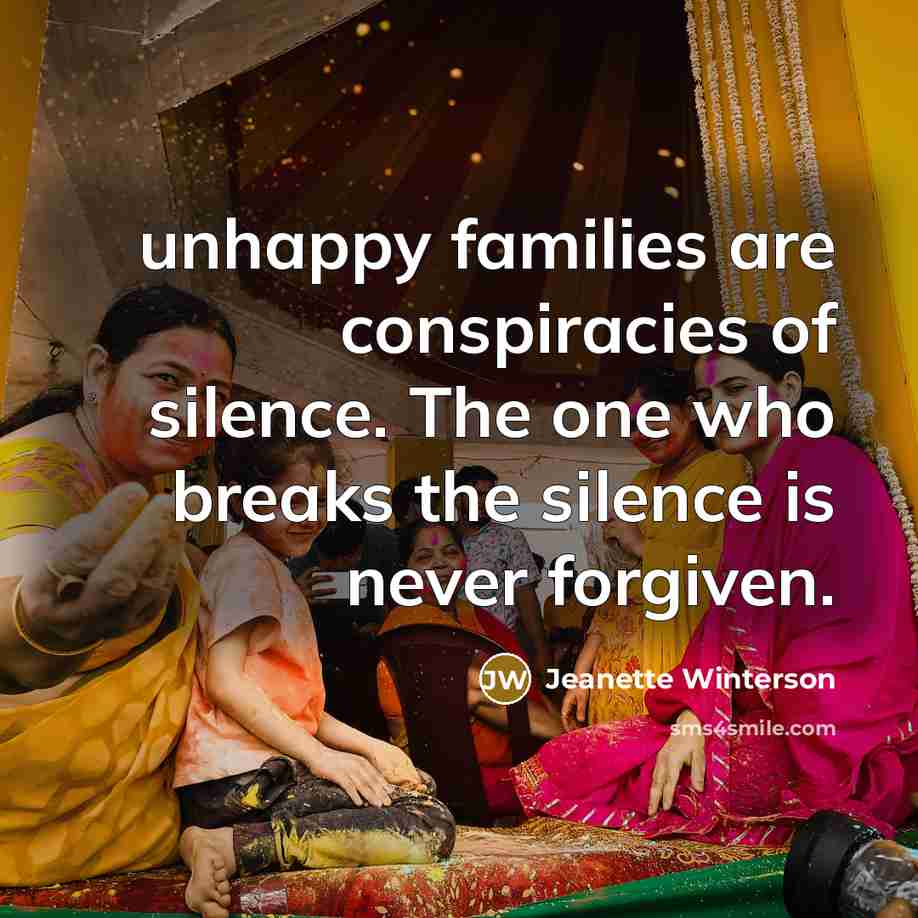
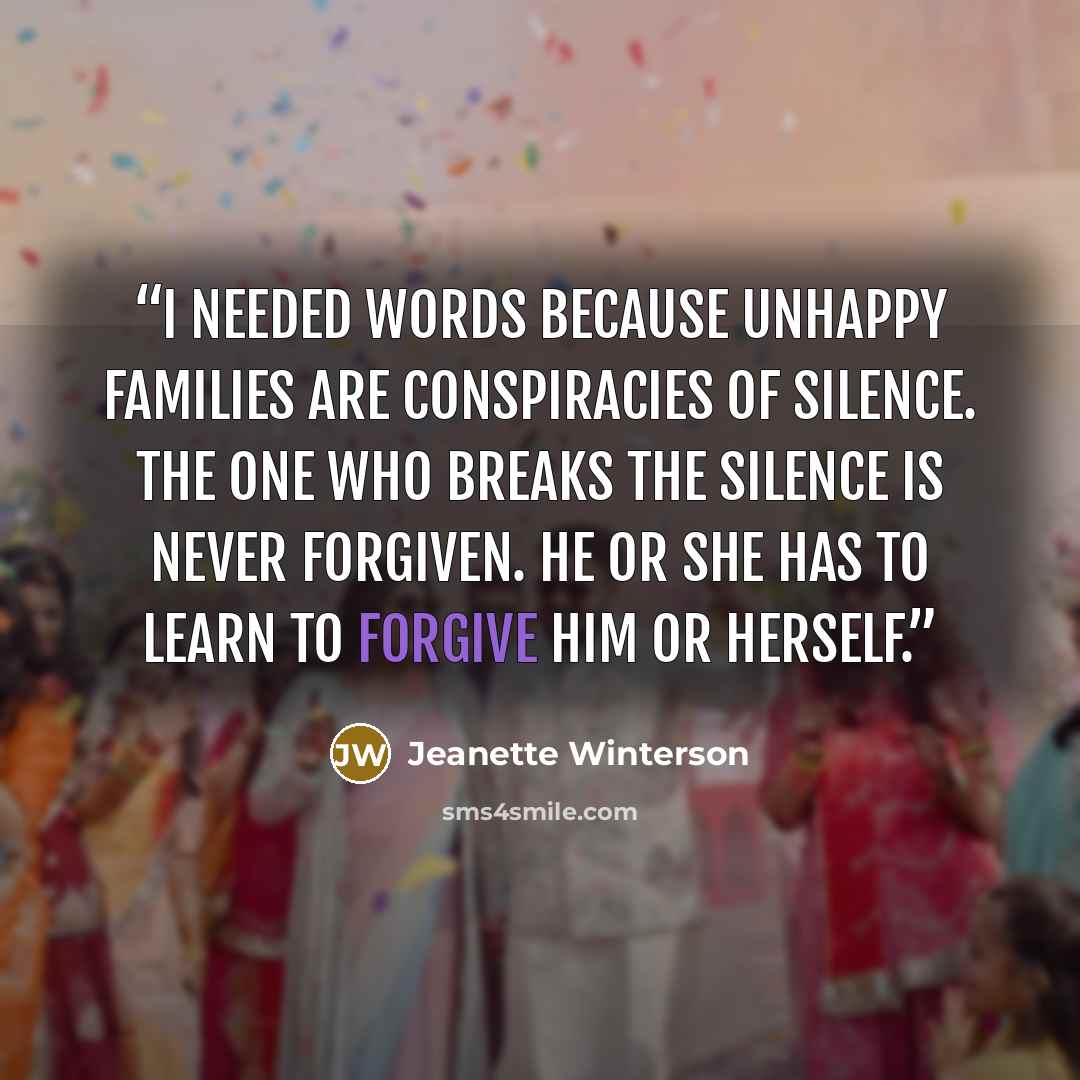
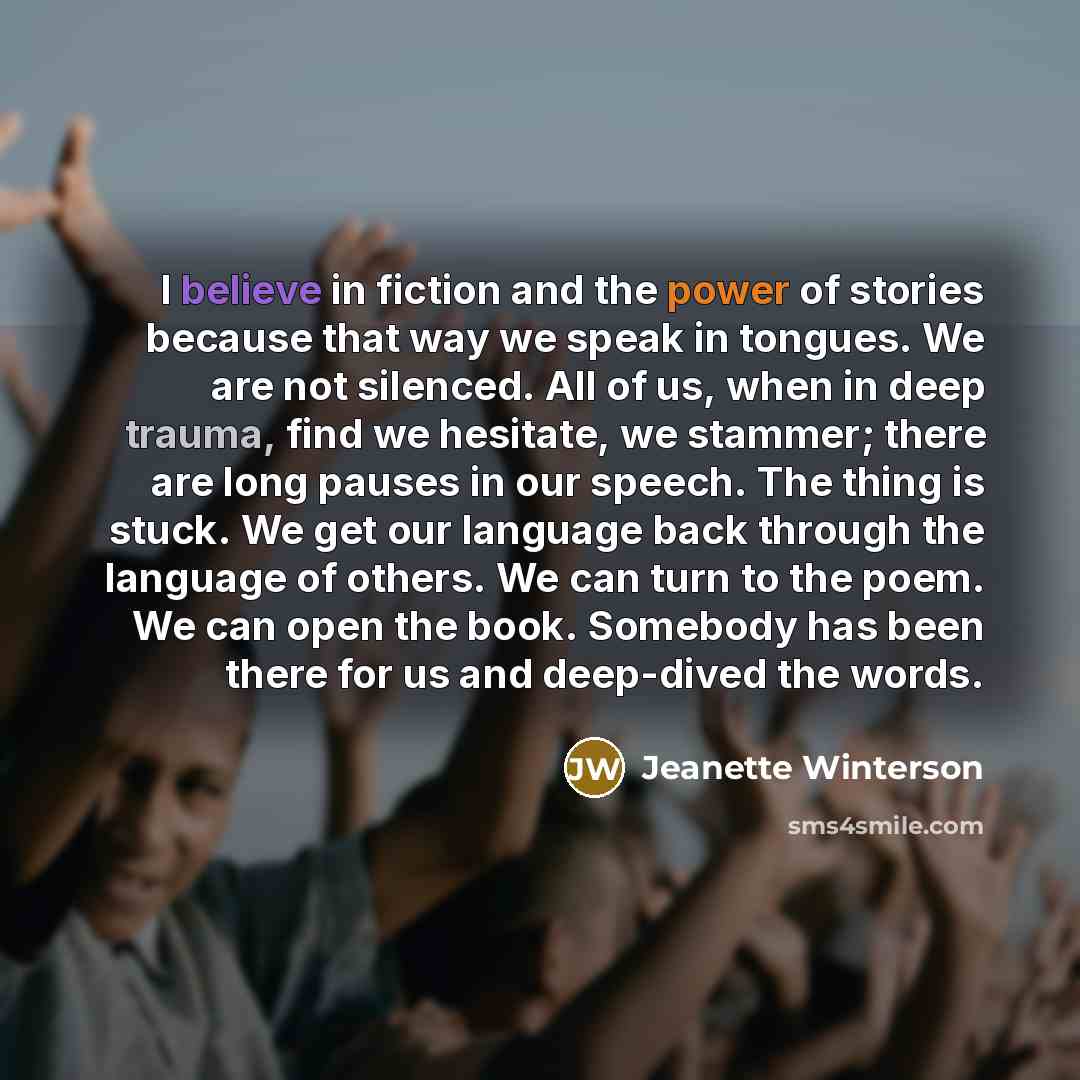
““Truth for anyone is a very complex thing. For a writer, what you leave out says as much as those things you include. What lies beyond the margin of the text? The photographer frames the shot; writers frame their world. Mrs Winterson objected to what I had put in, but it seemed to me that what I had left out was the story’s silent twin. There are so many things that we can’t say, because they are too painful. We hope that the things we can say will soothe the rest, or appease it in some way. Stories are compensatory. The world is unfair, unjust, unknowable, out of control. When we tell a story we exercise control, but in such a way as to leave a gap, an opening. It is a version, but never the final one. And perhaps we hope that the silences will be heard by someone else, and the story can continue, can be retold. When we write we offer the silence as much as the story. Words are the part of silence that can be spoken. Mrs Winterson would have preferred it if I had been silent. Do you remember the story of Philomel who is raped and then has her tongue ripped out by the rapist so that she can never tell? I believe in fiction and the power of stories because that way we speak in tongues. We are not silenced. All of us, when in deep trauma, find we hesitate, we stammer; there are long pauses in our speech. The thing is stuck. We get our language back through the language of others. We can turn to the poem. We can open the book. Somebody has been there for us and deep-dived the words. I needed words because unhappy families are conspiracies of silence. The one who breaks the silence is never forgiven. He or she has to learn to forgive him or herself.””
About This Quote
Source Interview: The Guardian, 2015
Writers and artists shape narratives by choosing what to include and what to leave silent, using gaps as a form of control and healing.
In simple terms: Stories are built by what is said and what is omitted; silence can be powerful.
Key Takeaway
Embrace both voice and silence in storytelling.
Themes
storytelling
silence
healing
truth
expression
trauma
Mood
reflective
hopeful
Type
philosophical
inspirational
When to use this quote
- writing workshops
- therapy sessions
- educational curricula
- media analysis
Key Concepts
narrative theory
psychology
literature
Questions to Reflect On
- How does omission affect truth?
- When is silence a responsibility?
A Different Perspective
Silence can also protect harmful narratives; not all gaps are intentional.
![“First of all, I had the desire for that format [silent movie], and then when I was talking to people, I felt that people needed justification. Why are you doing a silent movie? Is it just for your own pleasure? I felt it was not enough for them so I realized I have to choose the subject that will…” quote by Michel Hazanavicius](https://sms4smile.com/quotes/img-quotes/c55/michel-hazanavicius-7804_actors_first-of-all-i-had-the-desire-for-that-f_2868154.jpg)
![“Our view of man will remain superficial so long as we fail to go back to that origin [of silence], so long as we fail to find, beneath the chatter of words, the primordial silence, and as long as we do not describe the action which breaks this silence. the spoken word is a gesture, and its…” quote by Maurice Merleau-Ponty](https://sms4smile.com/quotes/img-quotes/74b/maurice-merleau-ponty-2834_action_our-view-of-man-will-remain-superficial_201592.jpg)