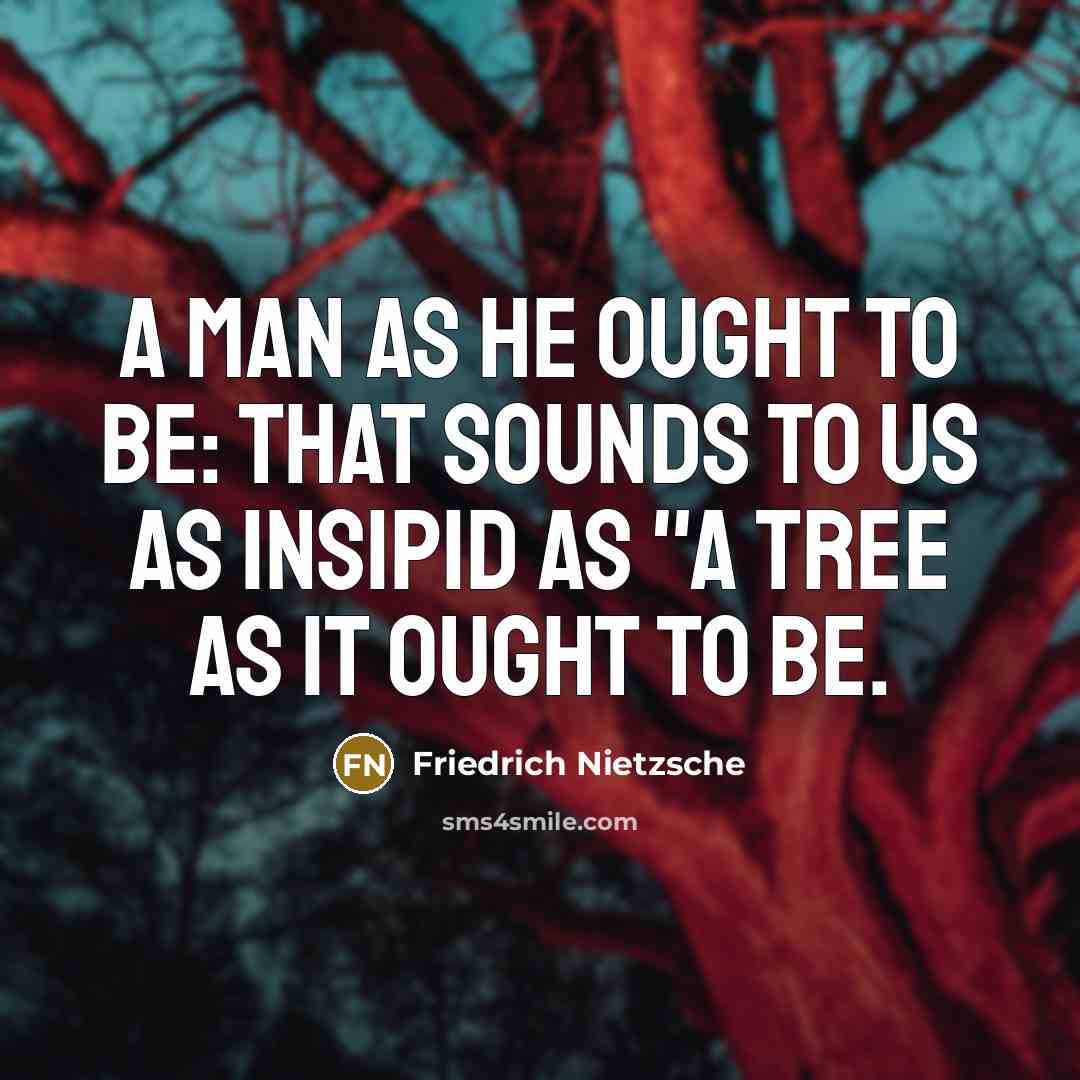
Insipid Quote by Friedrich Nietzsche Download Open image “A man as he ought to be: that sounds to us as insipid as "a tree as it ought to be.” — Friedrich Nietzsche ★ ★ ★ ★ ★ 4.2 out of 5 (4 ratings) Copy quoteShare Insipid Inspirational Men Ought Sound Tree Trees
“If you treat an individual as he is, he will remain how he is. But if you treat him as if he were what… — Johann Wolfgang von Goethe Copy Share Image
“The trees show definitions of themselves subtly like the face of a man.” — Daniel J. Rice Copy Share Image
Sometimes you can't be what you ought to be, you can't have what you ought to have. — Jeffery Deaver Copy Share Image
I can never be what I ought to be until you are what you ought to be. — Martin Luther King, Jr Copy Share Image
For you will never be what you ought to be until they [your fellow humans] are what they ought to be. — Martin Luther King, Jr Copy Share Image
I think that I shall never scan A tree as lovely as a man. . . . . A tree depicts divinest plan, But… — Joyce Kilmer Copy Share Image
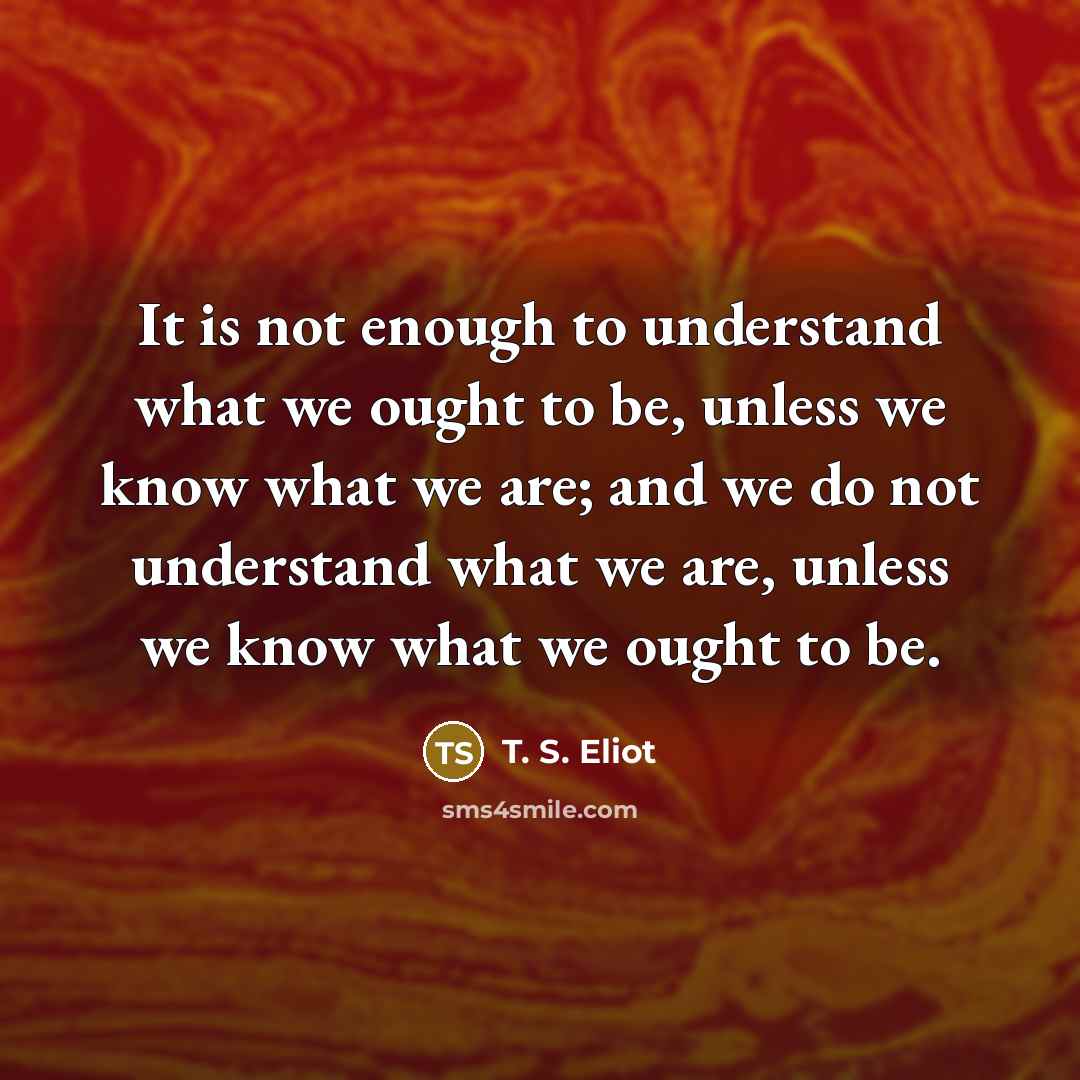
It is not enough to understand what we ought to be, unless we know what we are; and we do not understand what we… — T. S. Eliot Copy Share Image
Animals know nothing of themselves, and they also know nothing of the world. — Friedrich Nietzsche Copy Share Image
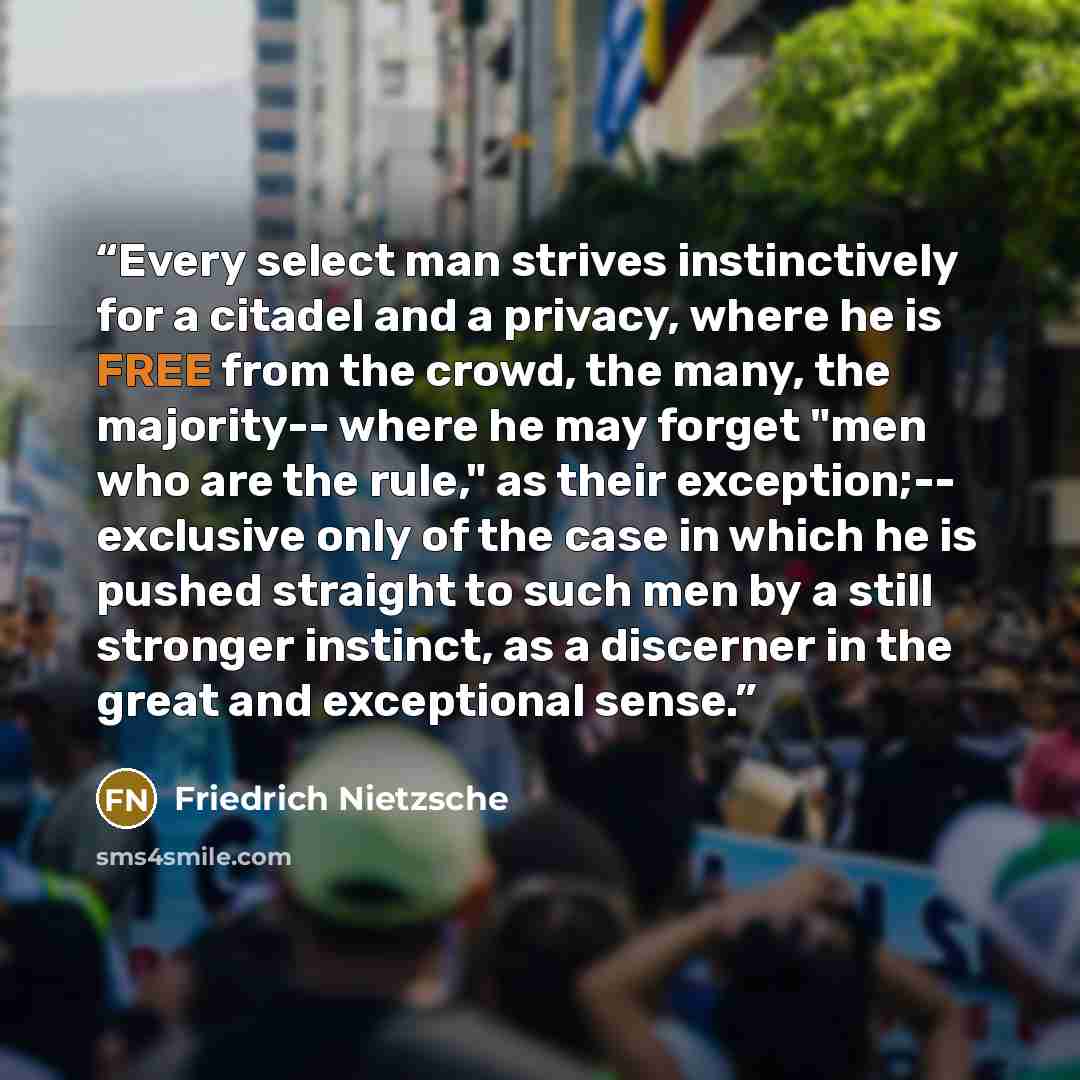
“Every select man strives instinctively for a citadel and a privacy, where he is FREE from the crowd, the many, the majority-- where he… — Friedrich Nietzsche Copy Share Image
“It breaks my heart. Better than your words, your eye tells me all your peril. You are not yet free, you still search for freedom. Your search has fatigued you and made you too wakeful. You long for the open heights, your soul thirsts for the stars. But your bad instincts too thirst for freedom. Your fierce dogs long for… — Friedrich Nietzsche Copy Share
“79. A soul which knows that it is loved, but does not itself love, betrays its sediment: its dregs come up.” — Friedrich Nietzsche Copy Share Image
We deceive ourselves when giving respect to the person for whom we have surrendered ourselves, when we respectively expect them to be as we… — Friedrich Nietzsche Copy Share Image
“The great periods of our life occur when we gain the courage to rechristen what is bad about us as what is best.” — Friedrich Nietzsche Copy Share Image
“What is life? Life - that is: continually shedding something that wants to die. Life - that is: being cruel and inexorable against everything about us that is growing old and weak -and not only about us. Life - that is, then: being without reverence for those who are dying, who are wretched, who are ancient? Constantly being a murderer?… — Friedrich Nietzsche Copy Share
It is thus only this personal feeling of misery that we get rid of by acts of pity. — Friedrich Nietzsche Copy Share Image
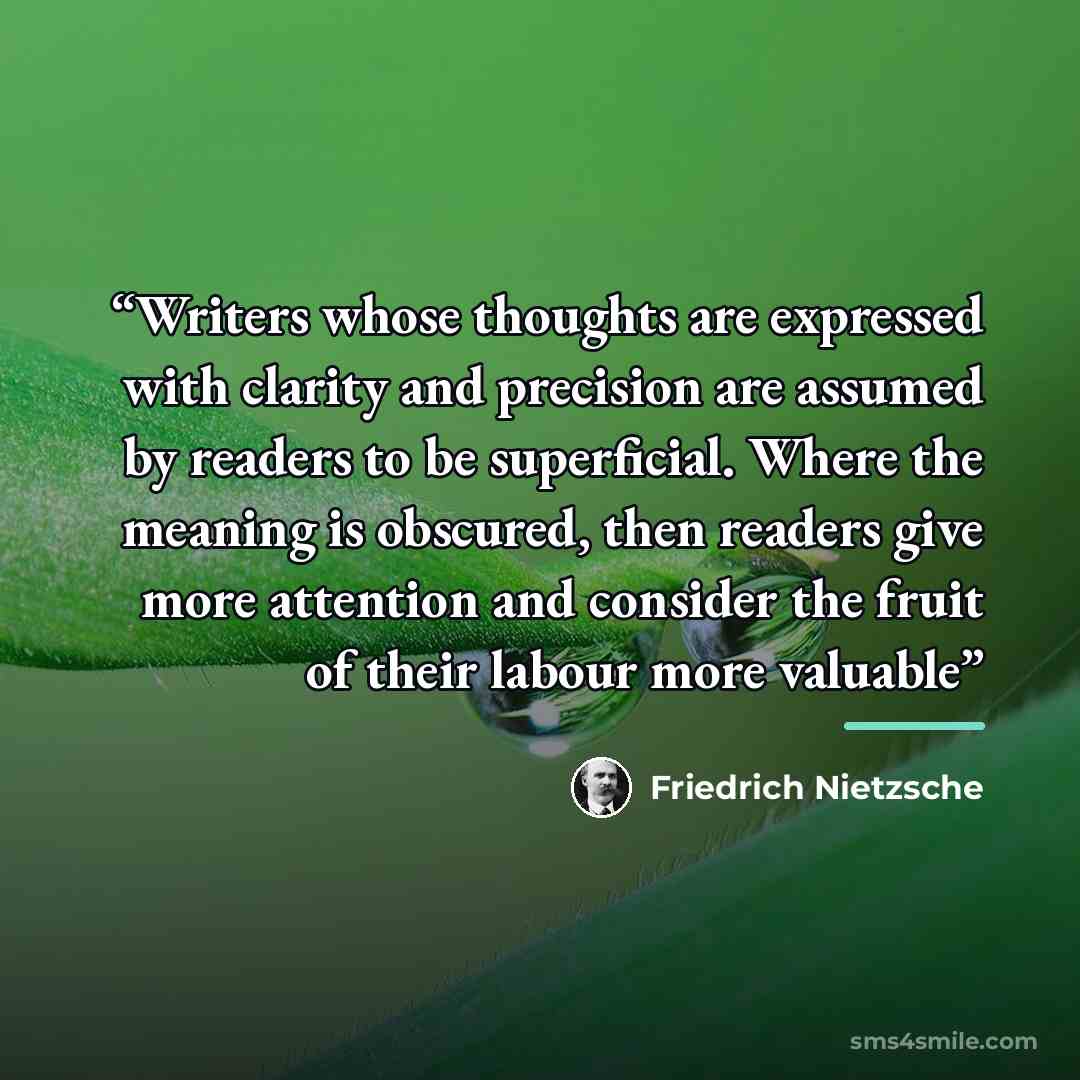
“Writers whose thoughts are expressed with clarity and precision are assumed by readers to be superficial. Where the meaning is obscured, then readers give… — Friedrich Nietzsche Copy Share Image
“he does not wear a twitching, mobile, human face, but rather a mask, as it were, with its features in dignified equilibrium; he does… — Friedrich Nietzsche Copy Share Image
Chastity is a virtue with some, but with many it is almost a vice. — Friedrich Nietzsche Copy Share Image
The earth is like the breasts of a woman: useful as well as pleasing. — Friedrich Nietzsche Copy Share Image
Atheism can benefit no class of people; neither the unfortunate, whom it bereaves of hope, nor the prosperous, whose joys it renders insipid, nor the soldier, of whom it makes a coward, nor the woman whose beauty and sensibility it mars, nor the mother, who has a son to lose, nor the rulers of men, who have no surer pledge… — François-René de Chateaubriand Copy Share
Water and oil, simply considered, are capable of giving some pleasure to the taste. Water, when simple, is insipid, inodorous, colorless, and smooth; it… — Edmund Burke Copy Share Image
Great wits, like great beauties, look upon mere esteem as a flat insipid thing; nothing less than admiration will content them. — Jeremiah Seed Copy Share Image
The bread I eat in London, is a deleterious paste, mixed up with chalk, alum, and bone ashes: insipid to the taste, and destructive… — Tobias Smollett Copy Share Image
A genius is the man in whom you are least likely to find the power of attending to anything insipid or distasteful in itself. He breaks his engagements, leaves his letters unanswered, neglects his family duties incorrigibly, because he is powerless to turn his attention down and back from those more interesting trains of imagery with which his genius constantly… — William James Copy Share
“An insipid voice message or an incongruent emergence from the “other” world may disrupt our whole thinking system. If we are not able to… — Erik Pevernagie Copy Share Image
Shabbat is a day of rest, of mental scrutiny and of balance. Without it the workdays are insipid. — Hayim Nahman Bialik Copy Share Image
England has never enjoyed a genuine social revolution. Maybe that's what's wrong with that dear, tepid, vapid, insipid, stuffy, little country. — Edward Abbey Copy Share Image
Death is not earnest in the same way the eternal is. To the earnestness of death belongs precisely that remarkable capacity for awakening, that resonance of a profound mockery which, detached from the thought of the eternal, is an empty and often brash jest, but together with the thought of the eternal is just what it should be, utterly different… — Soren Kierkegaard Copy Share
Men marry for fortune, and sometimes to please their fancy; but, much oftener than is suspected, they consider what the world will say of it--how such a woman in their friends' eyes will look at the head of a table. Hence we see so many insipid beauties made wives of, that could not have struck the particular fancy of any… — Charles Lamb Copy Share
Don’t you love quotations? I am immensely fond of them; a certain proof of erudition… [I]f you should happen to write an insipid poem...… — Frances Brooke Copy Share Image
Auto da Fay reveals the trickles of a creative sensibility that later became a tide, but essentially, Weldon the writer emerges only at the very end of this volume, in conjunction with her finding and marrying her husband of 30 years, Ron Weldon. In this sense, it is half a memoir, the private background story to the public future. (...)… — Joanna Murray-Smith Copy Share


![“For you will never be what you ought to be until they [your fellow humans] are what they ought to be.” quote by Martin Luther King, Jr](https://sms4smile.com/quotes/img-quotes/552/martin-luther-king-jr-127_humans_for-you-will-never-be-what-you-ought-to_1156488.jpg)
![“Don’t you love quotations? I am immensely fond of them; a certain proof of erudition… [I]f you should happen to write an insipid poem... send it to me, and my fiat shall crown you with immortality.” quote by Frances Brooke](https://sms4smile.com/quotes/img-quotes/c73/frances-brooke-84995_certain_don-t-you-love-quotations-i-am-immensely_478060.jpg)