Civil society Quote by Edmund Burke
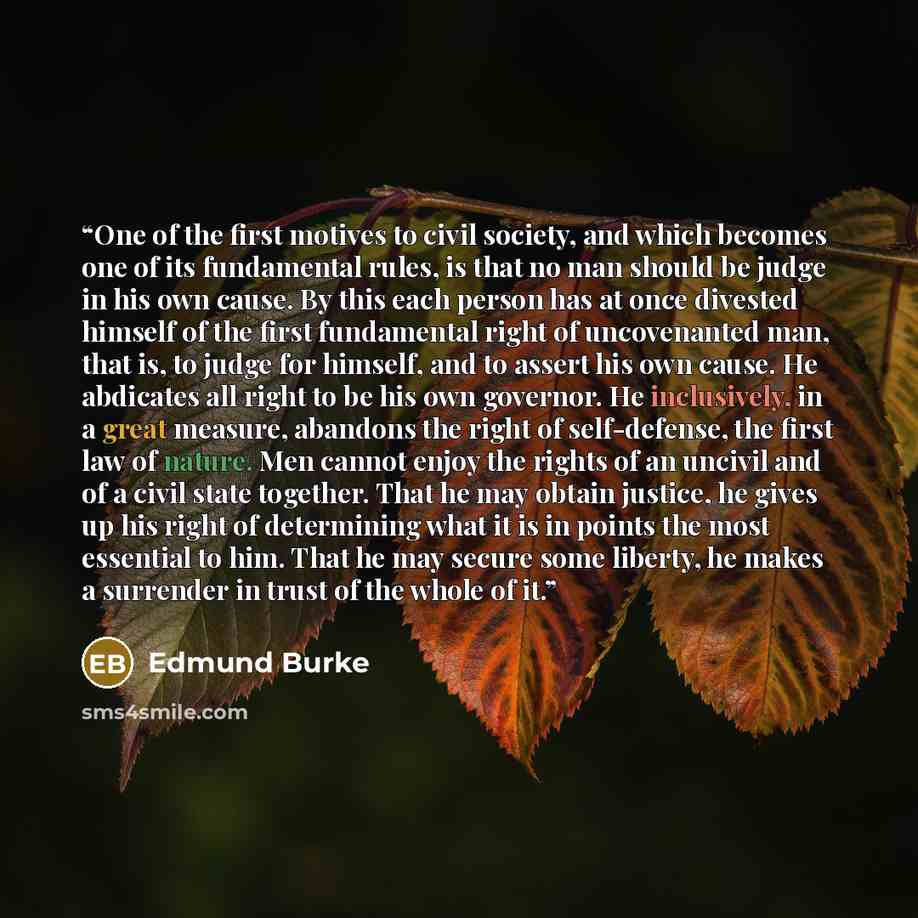
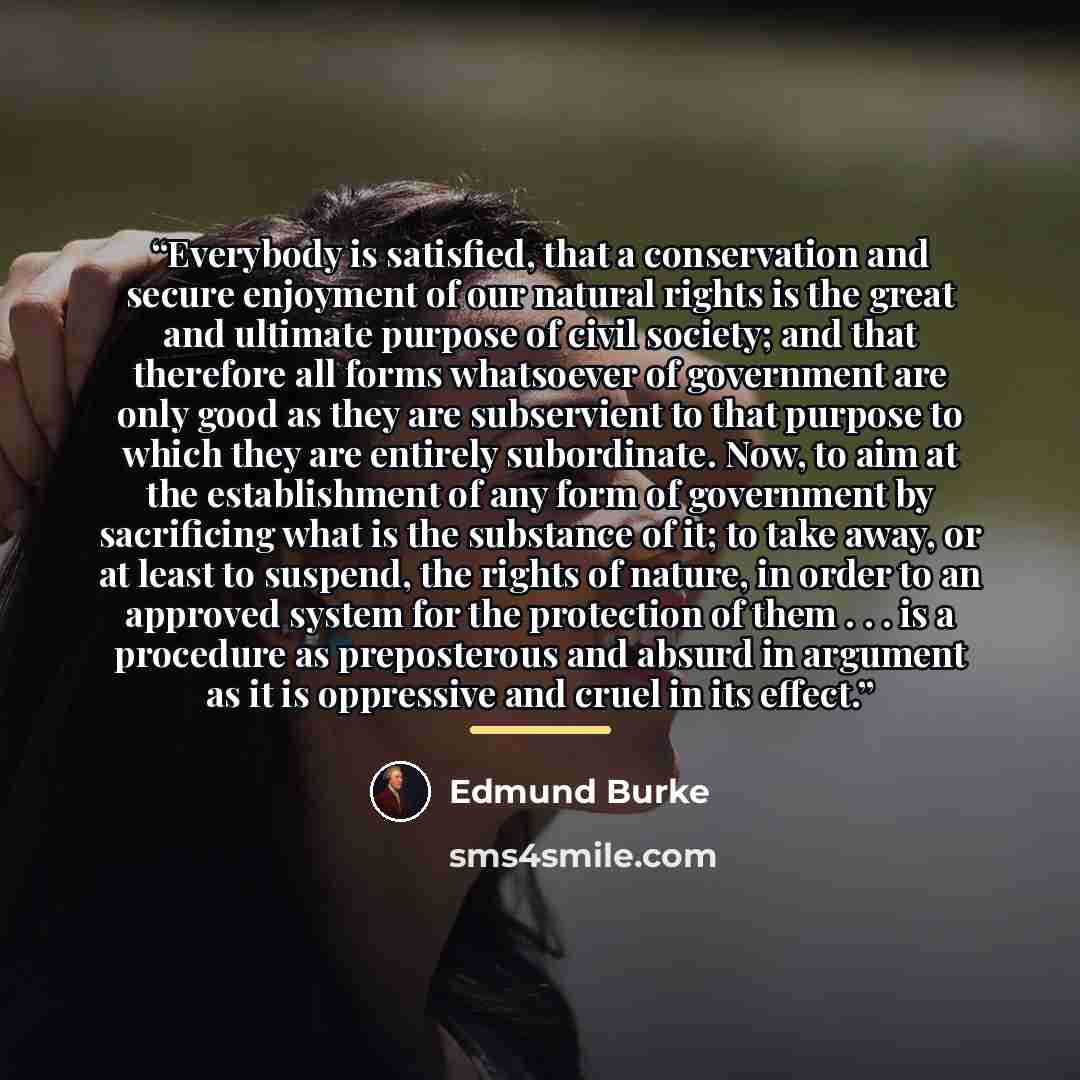
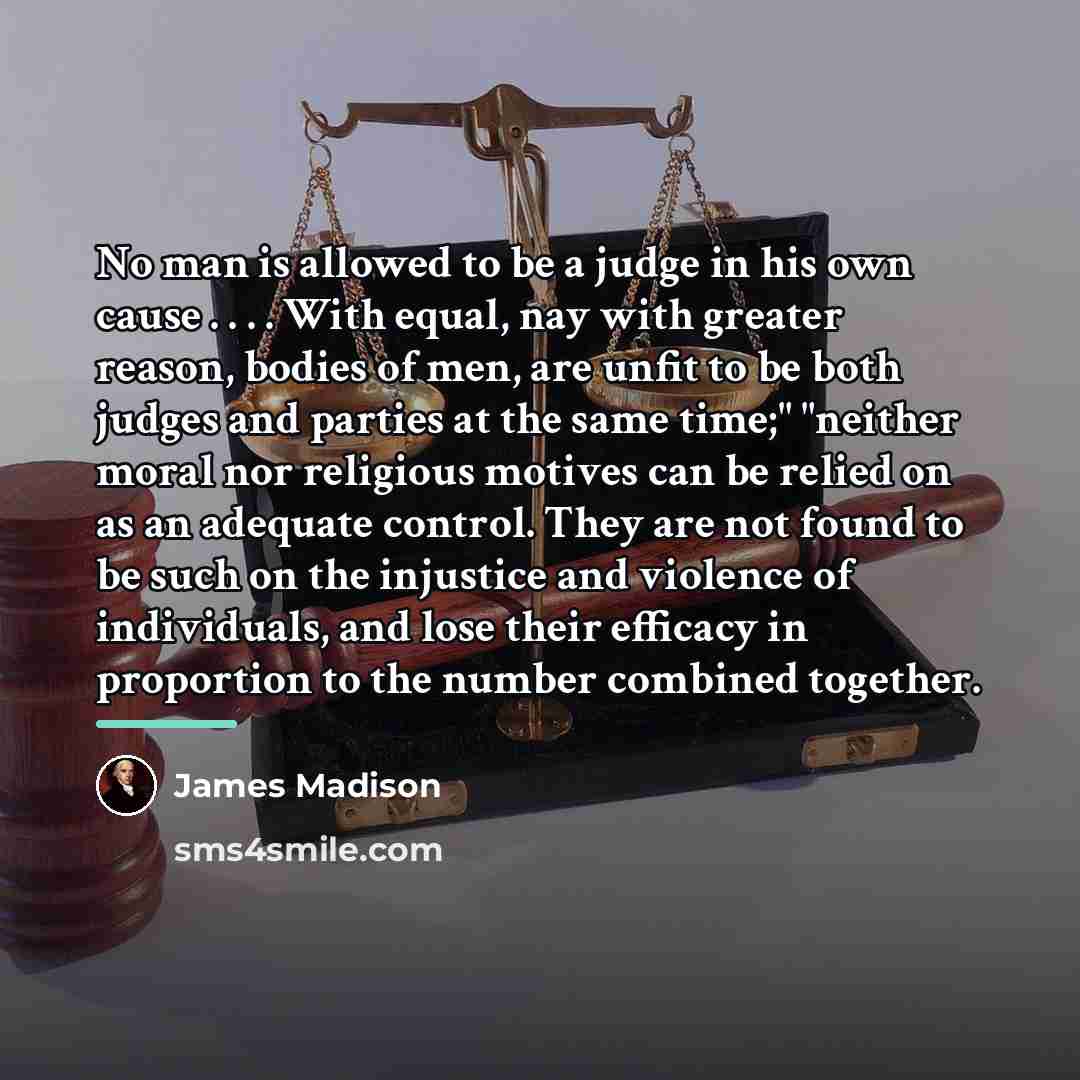
““One of the first motives to civil society, and which becomes one of its fundamental rules, is that no man should be judge in his own cause. By this each person has at once divested himself of the first fundamental right of uncovenanted man, that is, to judge for himself, and to assert his own cause. He abdicates all right to be his own governor. He inclusively, in a great measure, abandons the right of self-defense, the first law of nature. Men cannot enjoy the rights of an uncivil and of a civil state together. That he may obtain justice, he gives up his right of determining what it is in points the most essential to him. That he may secure some liberty, he makes a surrender in trust of the whole of it.””
About This Quote
Individuals must relinquish personal bias to achieve impartial justice, sacrificing self‑interest for collective governance.
In simple terms: Give up self‑interest for fair judgment.
Key Takeaway
Prioritize collective justice over personal gain.
Themes
justice
self‑interest
governance
Mood
reflective
philosophical
Type
ethical
political
When to use this quote
- court decisions
- legislative voting
- conflict resolution
Key Concepts
social contract
natural law
rights
Questions to Reflect On
- Can true impartiality ever be achieved?
- What safeguards ensure fairness without total self‑denial?
A Different Perspective
May be unrealistic to expect total self‑sacrifice.


![“The social [media channel] isn't about beauty contests and popularity contests. They're a distortion, a caricature of the real thing. It's about trust, connection, and community. That's what there's too little of in today's mediascape, despite all the hoopla surrounding social tools. The promise…” quote by Umair Haque](https://sms4smile.com/quotes/img-quotes/c85/umair-haque-25881_beauty_the-social-media-channel-isn-t-about-bea_1270.jpg)
![“[T]here are, at bottom, basically two ways to order social affairs, Coercively, through the mechanisms of the state - what we can call political society. And voluntarily, through the private interaction of individuals and associations - what we can call civil society. ... In a civil society, you…” quote by Ed Crane](https://sms4smile.com/quotes/img-quotes/b8b/ed-crane-39299_affair_t-here-are-at-bottom-basically-two-ways_34431.jpg)