The power paradox is that we gain power by advancing the welfare of other people and yet when we feel powerful, it… — Dacher Keltner Copy Share Image
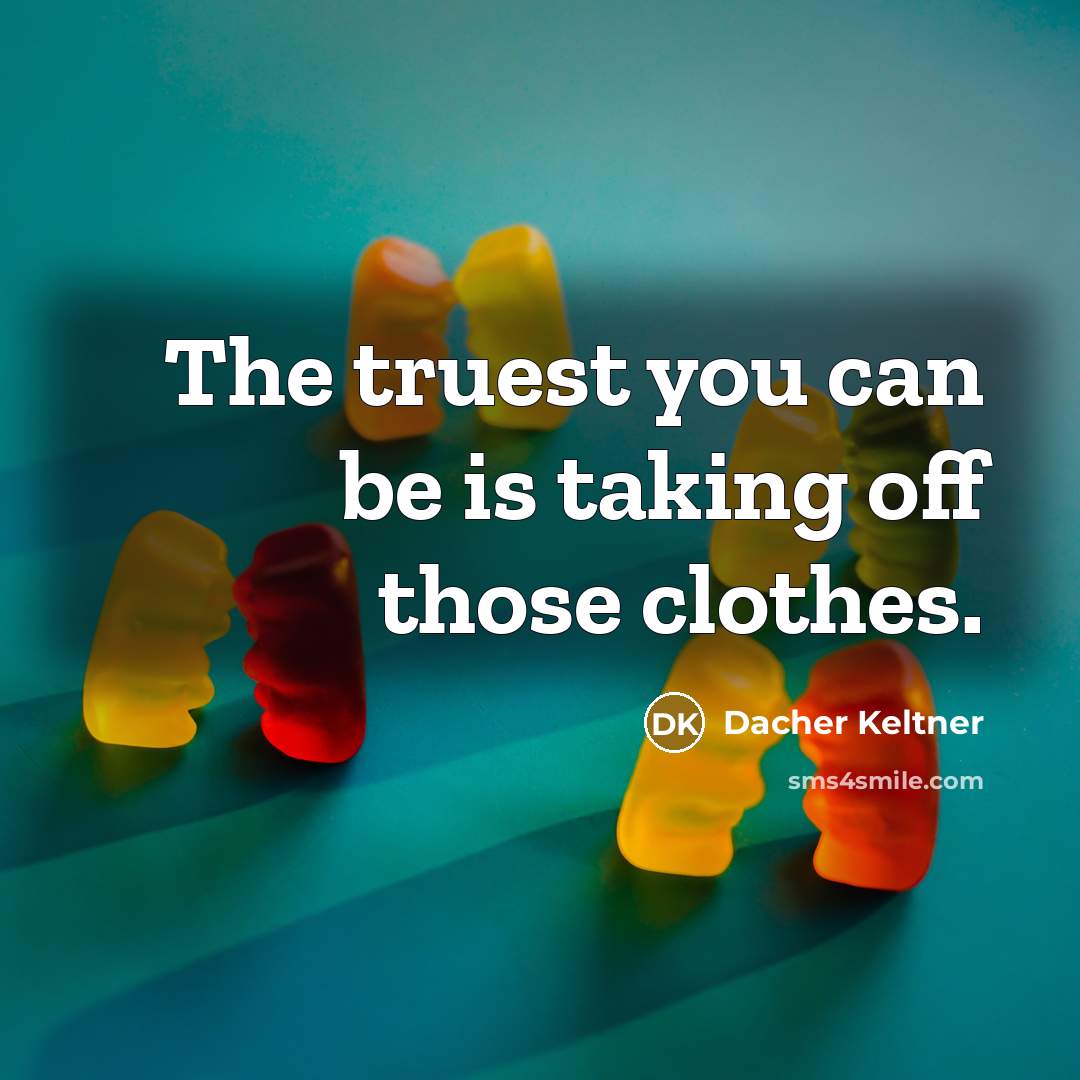
Studies have shown touch to be the primary language of compassion, love and gratitude - emotions at the heart of trust and cooperation -… — Dacher Keltner Copy Share Image
When people tell stories that unite the community or the organization that they work for and illustrate the principles of that organization, those people… — Dacher Keltner Copy Share Image
If you want to get power, listen carefully. Don't be impulsive. Don't arrogantly insert your opinion. Express gratitude. Cultivate a culture of respect. Show… — Dacher Keltner Copy Share Image
“POWER PRINCIPLES PRINCIPLE #1 Power is about altering the states of others. PRINCIPLE #2 Power is part of every relationship and interaction. PRINCIPLE #3… — Dacher Keltner Copy Share Image
“Being poor produces a way of responding to life circumstances that, while warm and giving, is continually vigilant to threat and chronically stressed in… — Dacher Keltner Copy Share Image
“Recent research is showing that chronic powerlessness—poverty—stunts brain development in perhaps permanent ways that undermine not only school performance but also the capacity to… — Dacher Keltner Copy Share Image
Human beings are wired to care and give and it's probably our best route to happiness. — Dacher Keltner Copy Share Image
“Poverty suppresses growth in regions of the brain that empower children to do well in school, handle the greater threats they face on a… — Dacher Keltner Copy Share Image
If you have that spark that inspires other people, if you have a spark that gives resources to other people, that shares in really… — Dacher Keltner Copy Share Image
The power paradox is that we gain power by advancing the welfare of other people and yet when we feel powerful, it turns us… — Dacher Keltner Copy Share Image