The aim of art is not to represent the outward appearance of things, but their inward significance — Aristotle Copy Share Image
In part, art completes what nature cannot elaborate; and in part it imitates nature. — Aristotle Copy Share Image
Why is it that all men who are outstanding in philosophy, poetry or the arts are melancholic? — Aristotle Copy Share Image
Art completes what nature cannot bring to finish. The artist gives us knowledge of nature's unrealized ends. — Aristotle Copy Share Image
For just as for a flute-player, a sculptor, or an artist, and, in general, for all things that have a function or… — Aristotle Copy Share Image
Rhetoric may be defined as the faculty of observing in any given case the available means of persuasion. This is not a… — Aristotle Copy Share Image
Those who educate children well are more to be honored than they who produce them; for these only gave them life, those… — Aristotle Copy Share Image
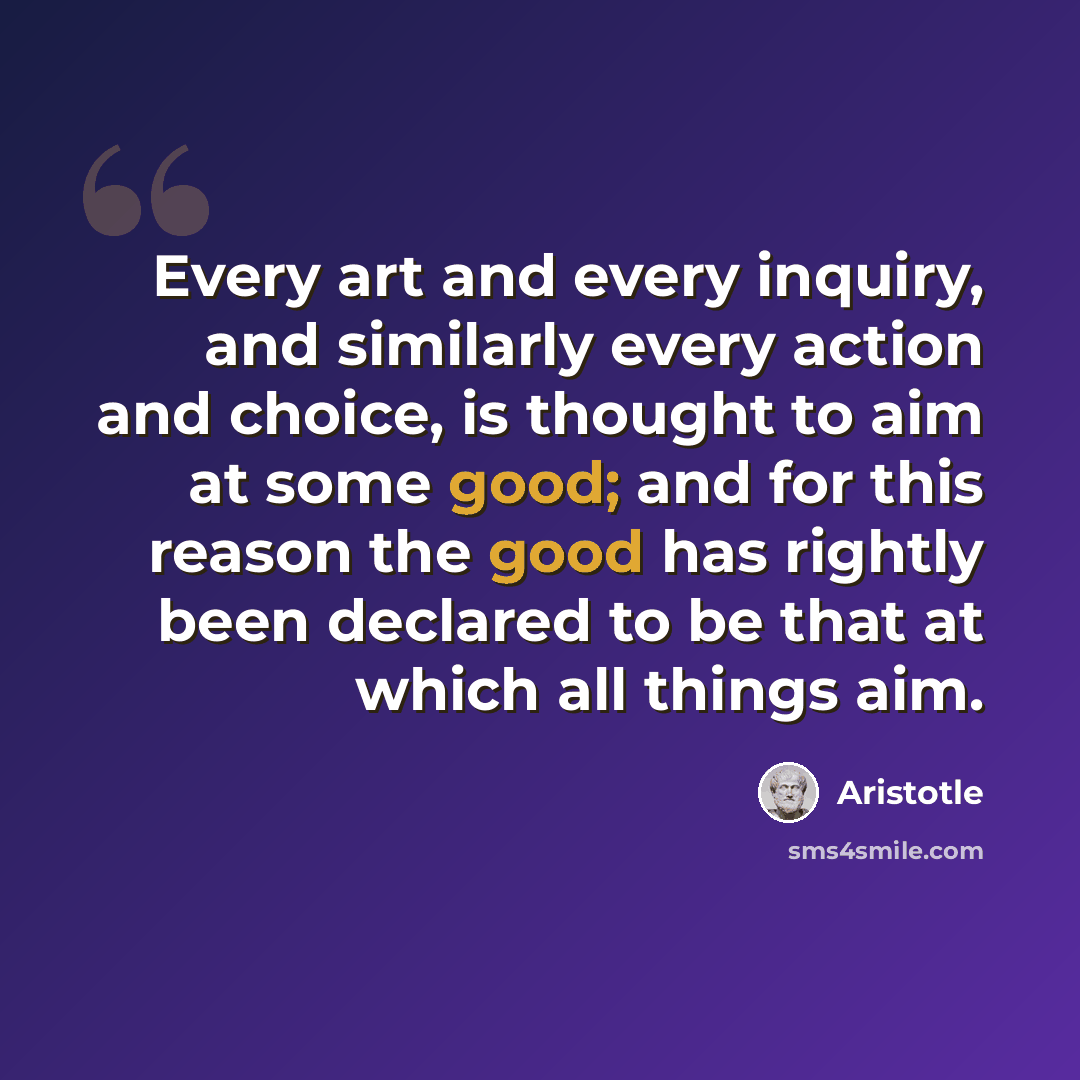
Every art and every inquiry, and similarly every action and choice, is thought to aim at some good; and for this reason… — Aristotle Copy Share Image
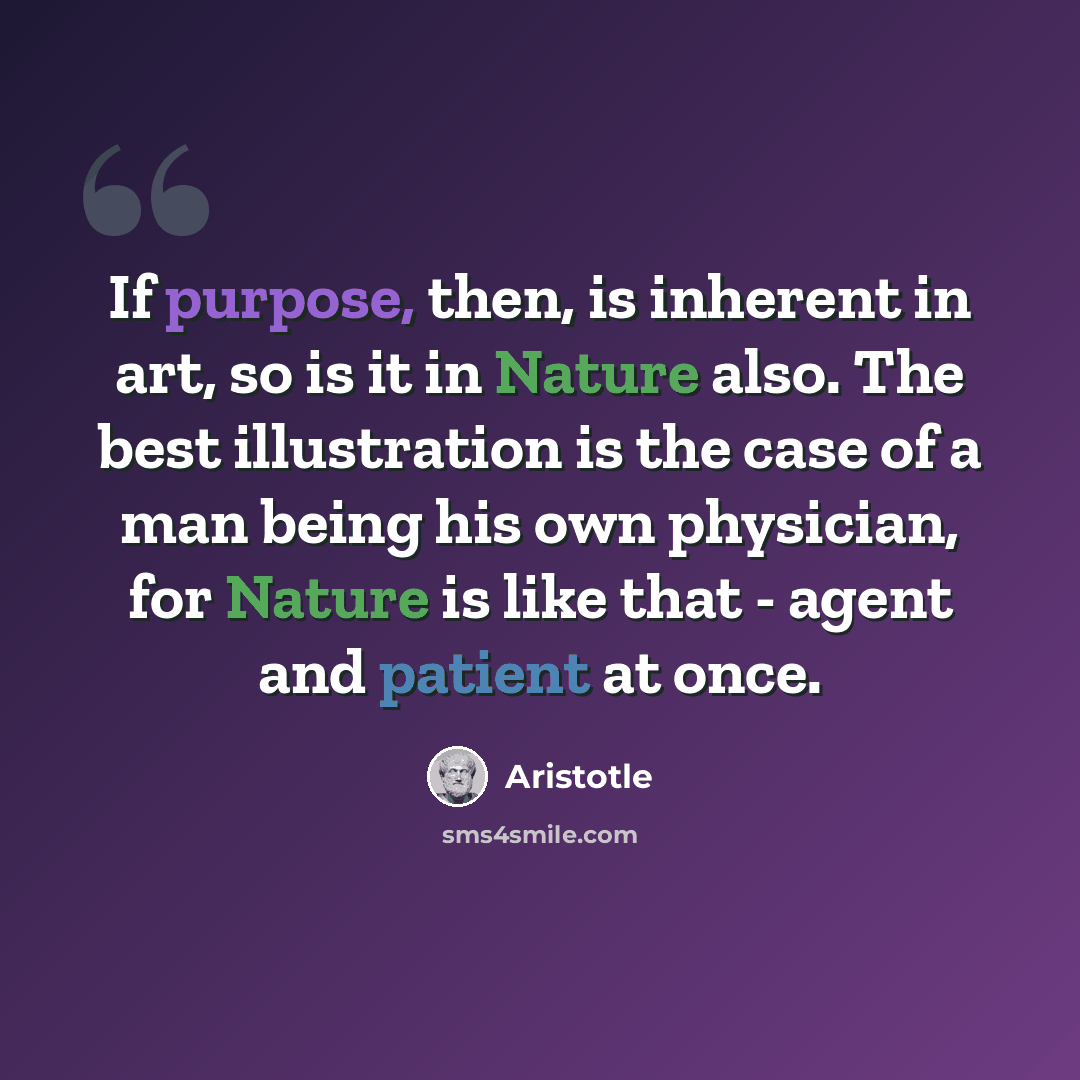
If purpose, then, is inherent in art, so is it in Nature also. The best illustration is the case of a man… — Aristotle Copy Share Image
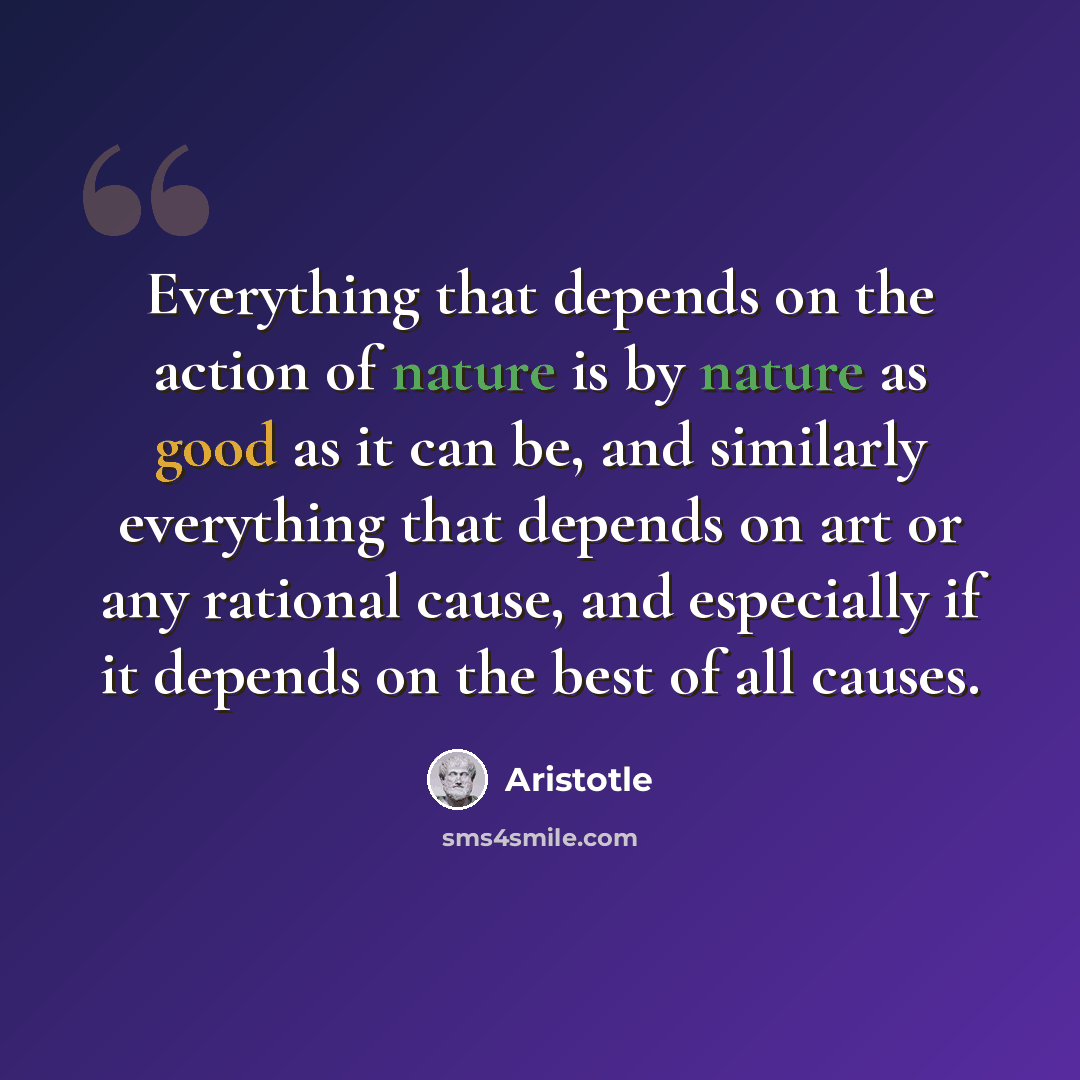
Everything that depends on the action of nature is by nature as good as it can be, and similarly everything that depends… — Aristotle Copy Share Image
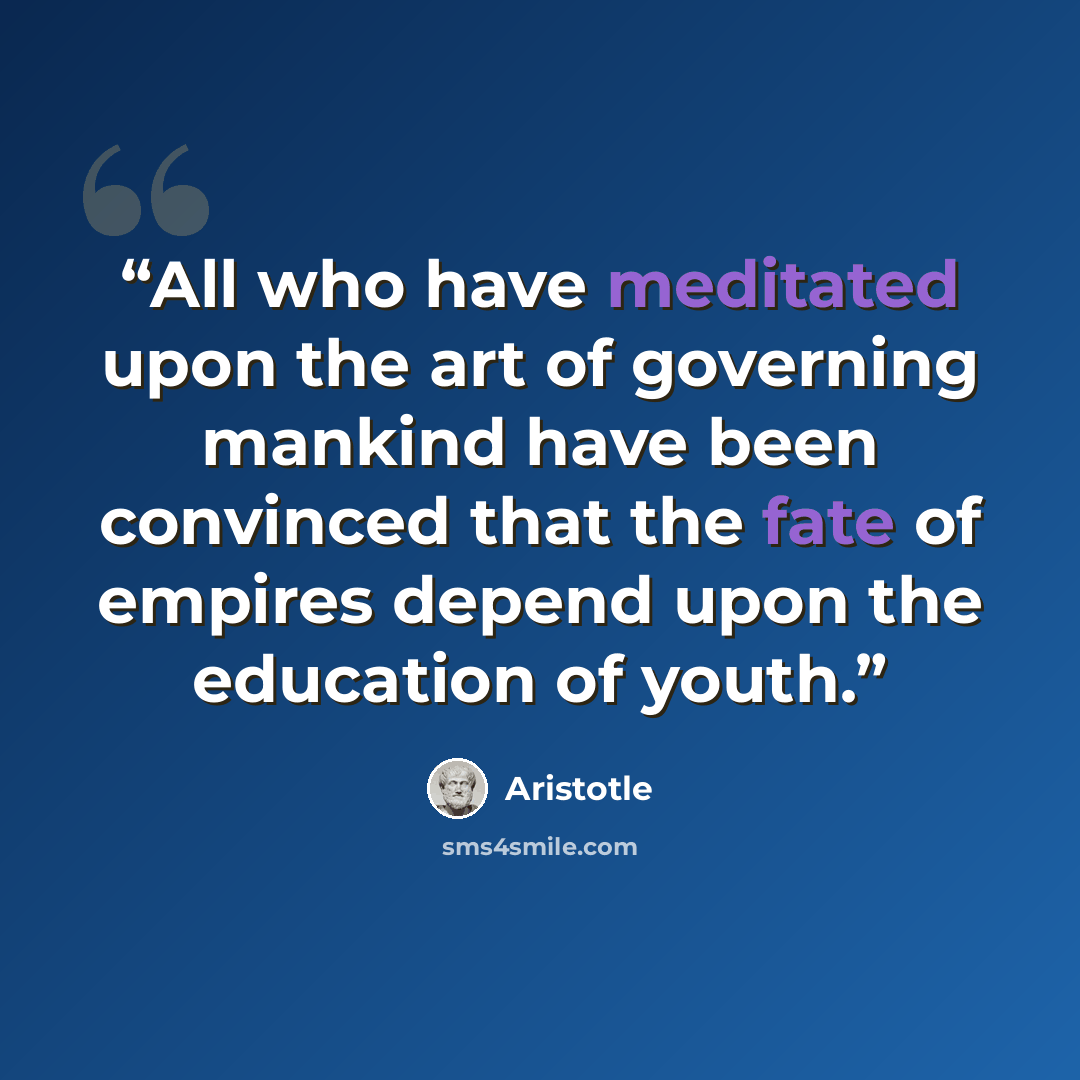
“All who have meditated upon the art of governing mankind have been convinced that the fate of empires depend upon the education… — Aristotle Copy Share Image
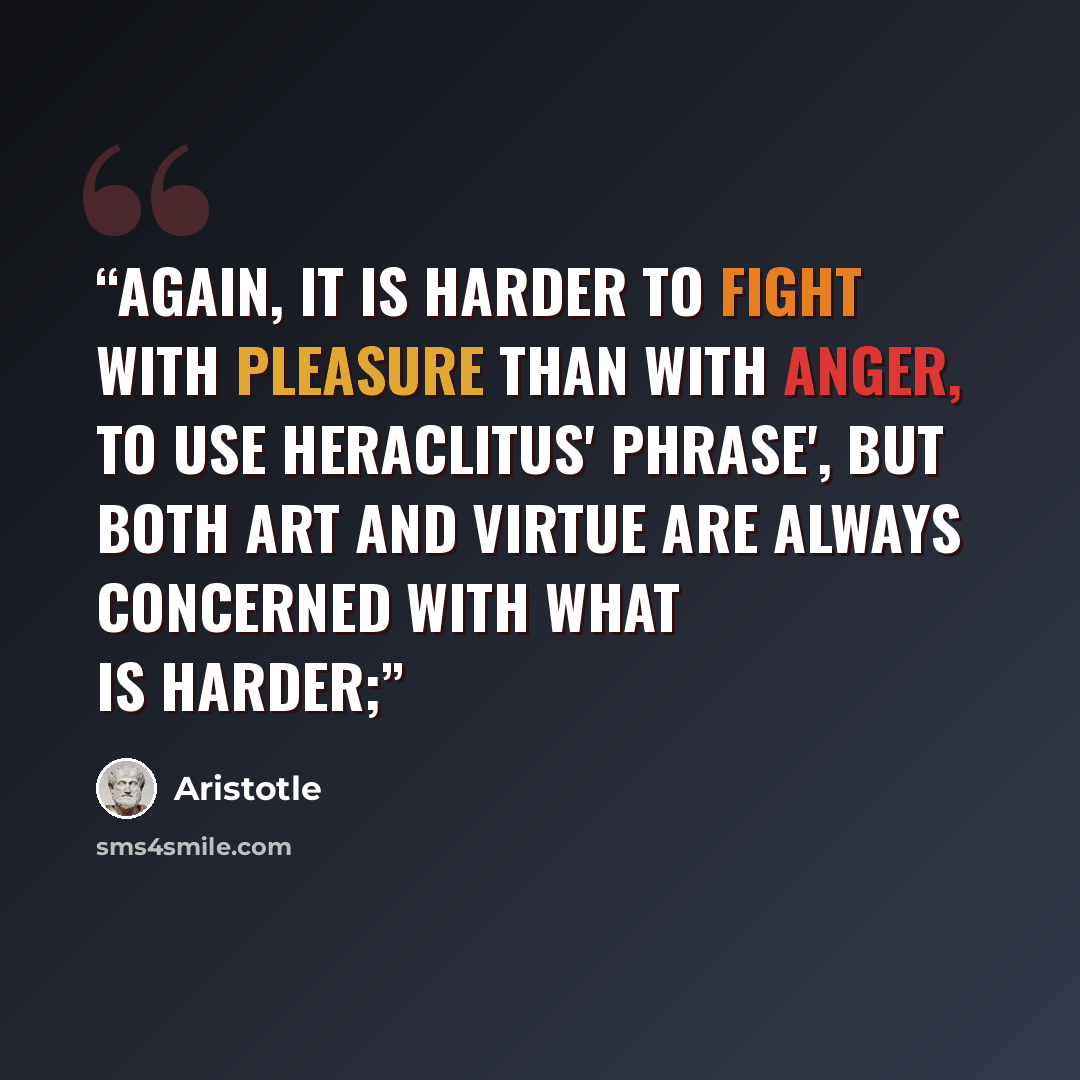
“Again, it is harder to fight with pleasure than with anger, to use Heraclitus' phrase', but both art and virtue are always… — Aristotle Copy Share Image
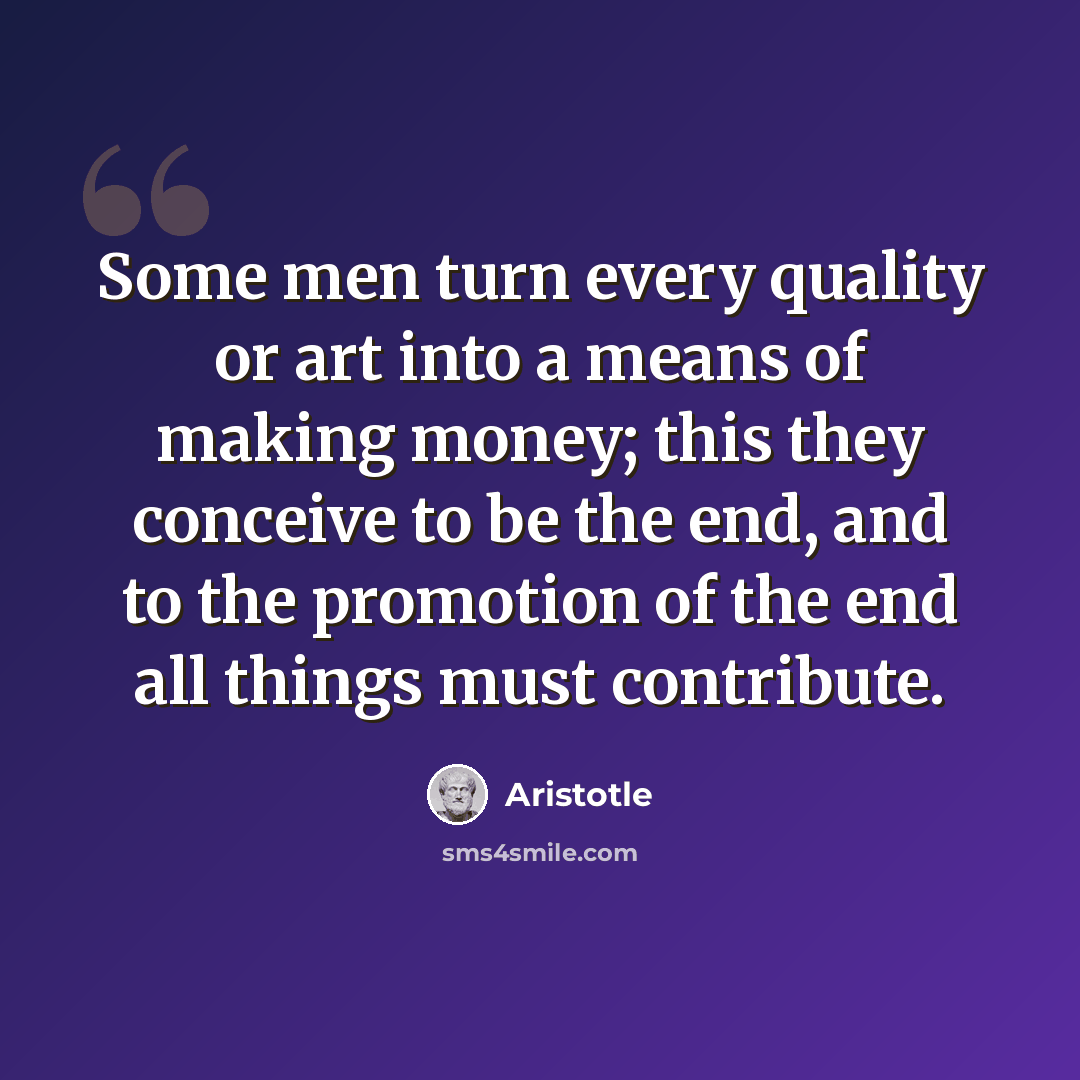
Some men turn every quality or art into a means of making money; this they conceive to be the end, and to… — Aristotle Copy Share Image
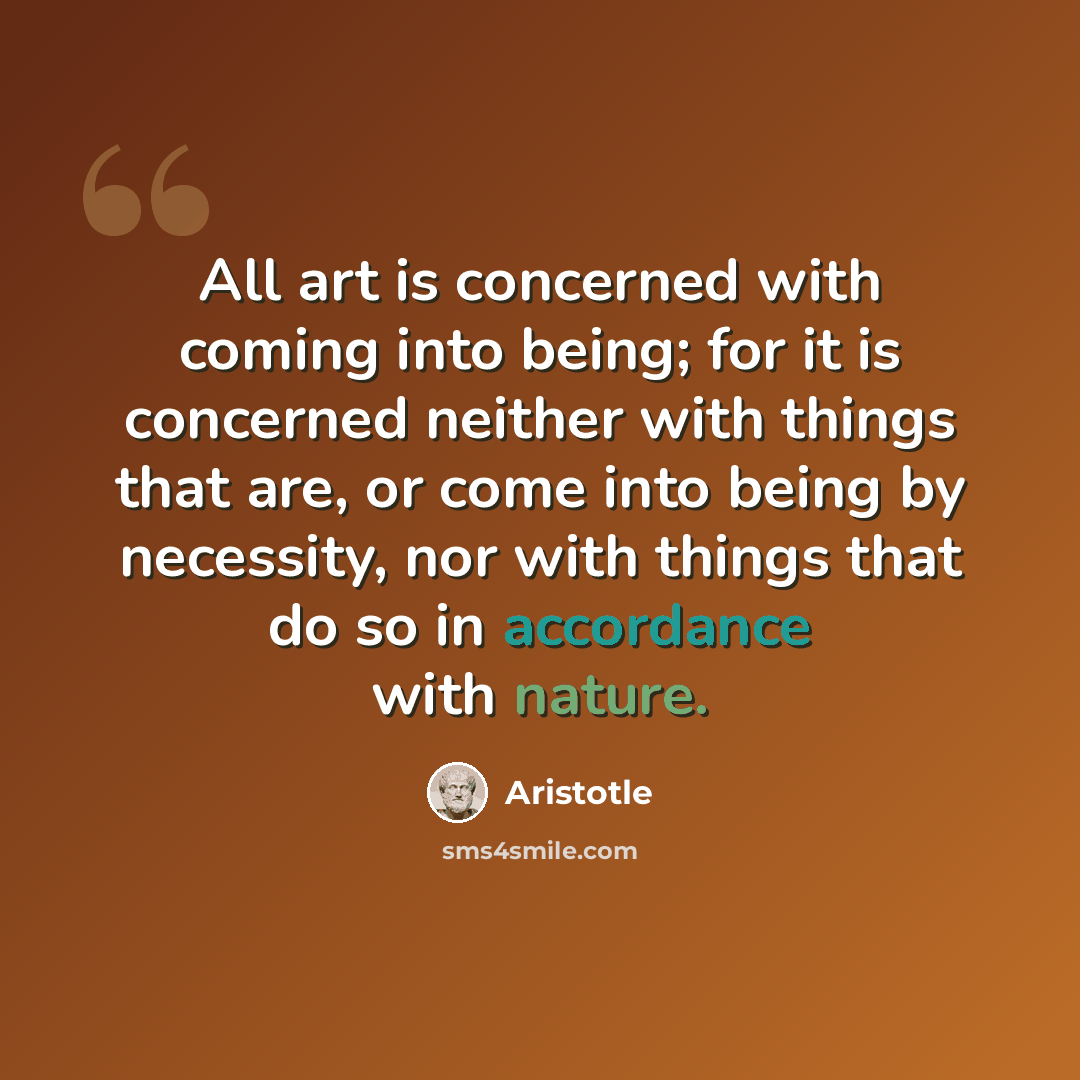
All art is concerned with coming into being; for it is concerned neither with things that are, or come into being by… — Aristotle Copy Share Image
The knowledge of the soul admittedly contributes greatly to the advance of truth in general, and, above all, to our understanding of Nature, for… — Aristotle Copy Share
Young men have strong passions and tend to gratify them indiscriminately. Of the bodily desires, it is the sexual by which they are most… — Aristotle Copy Share
The body is at its best between the ages of thirty and thirty-five; the mind is at its best about the age of forty-nine. — Aristotle Copy Share
The ensouled is distinguished from the unsouled by its being alive. Now since being alive is spoken of in many ways, even if only… — Aristotle Copy Share
Although it may be difficult in theory to know what is just and equal, the practical difficulty of inducing those to forbear who can,… — Aristotle Copy Share
The true forms of government, therefore, are those in which the one, or the few, or the many, govern with a view to the… — Aristotle Copy Share
All persons ought to endeavor to follow what is right, and not what is established. — Aristotle Copy Share
Give a man a fish, you feed him for a day. Give a man a poisoned fish, you feed him for the rest of… — Aristotle Copy Share
Obstinate people can be divided into the opinionated, the ignorant, and the boorish. — Aristotle Copy Share
Happiness does not consist in pastimes and amusements but in virtuous activities. — Aristotle Copy Share
To learn is a natural pleasure, not confined to philosophers, but common to all men. — Aristotle Copy Share