At a time when history made its way slowly, the few events were easily remembered and woven into a backdrop, known to… — Milan Kundera Copy Share Image
The ‘I’ character in journalism is almost pure invention. Unlike the ‘I’ of autobiography, who is meant to be seen as a… — Janet Malcolm Copy Share Image
To what or whom does Lizzie Harris direct the imperative title of her startling first book, Stop Wanting? To the reader, the… — Lynn Emanuel Copy Share Image
Kerouac's books portray a hero and narrator free and easy, confident, sure of his rebellion against the American system. In reality, Jack… — Gerald Nicosia Copy Share Image
Early on, I settled on the first-person strategy as a way to deal with exposition and world-description issues. As long as the… — Neal Stephenson Copy Share Image
“The underlying and more ominous question is whether the story of our species — the greater human narrative — has simply become… — Steve Almond Copy Share Image
I learned capacity for self-reflection very early, finding it through interior monologues that books are so good at and that visual media… — Jeanette Winterson Copy Share Image
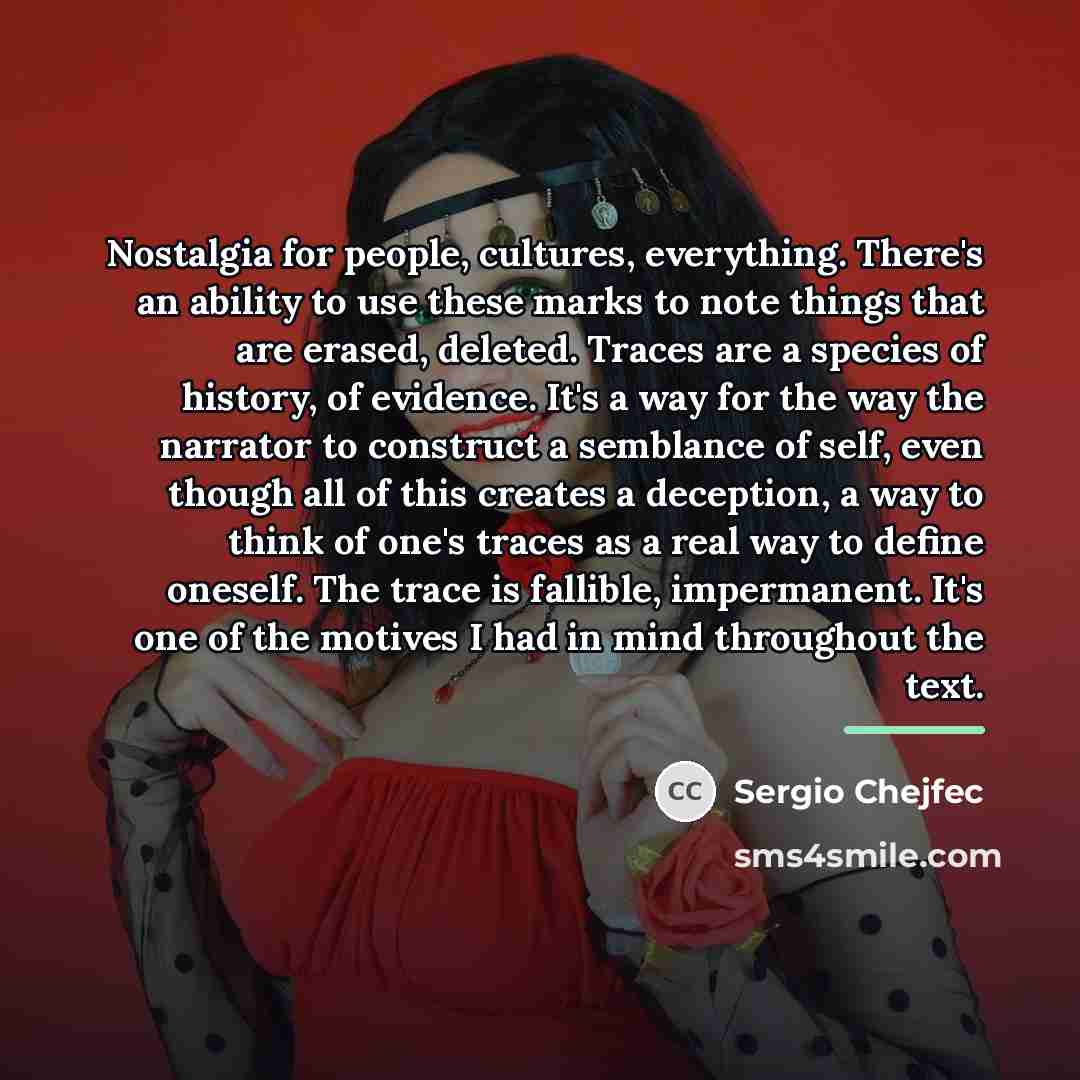
Nostalgia for people, cultures, everything. There's an ability to use these marks to note things that are erased, deleted. Traces are a… — Sergio Chejfec Copy Share Image
Philip Galanes has fashioned a novel both bleak and funny about a young man's struggle to sort out his troubled love: the… — Andrew Solomon Copy Share Image
Once I got interested in organized crime, and, specifically, Jewish organized crime, I got very interested in it. I have learned that,… — Zachary Lazar Copy Share Image
There’s a writer for you,” he said. “Knows everything and at the same time he knows nothing.” [narrator]It was my first inkling… — F. Scott Fitzgerald Copy Share Image
![“There’s a writer for you,” he said. “Knows everything and at the same time he knows nothing.” [narrator]It was my first inkling that he was a writer. And while I like writers—because if you ask a writer anything you usually get an answer—still it belittled him in my eyes. Writers aren’t people…” quote by F. Scott Fitzgerald](https://sms4smile.com/q/img-quotes/38d/f-scott-fitzgerald-72_actors_there-s-a-writer-for-you-he-said-knows-e_438126.jpg)